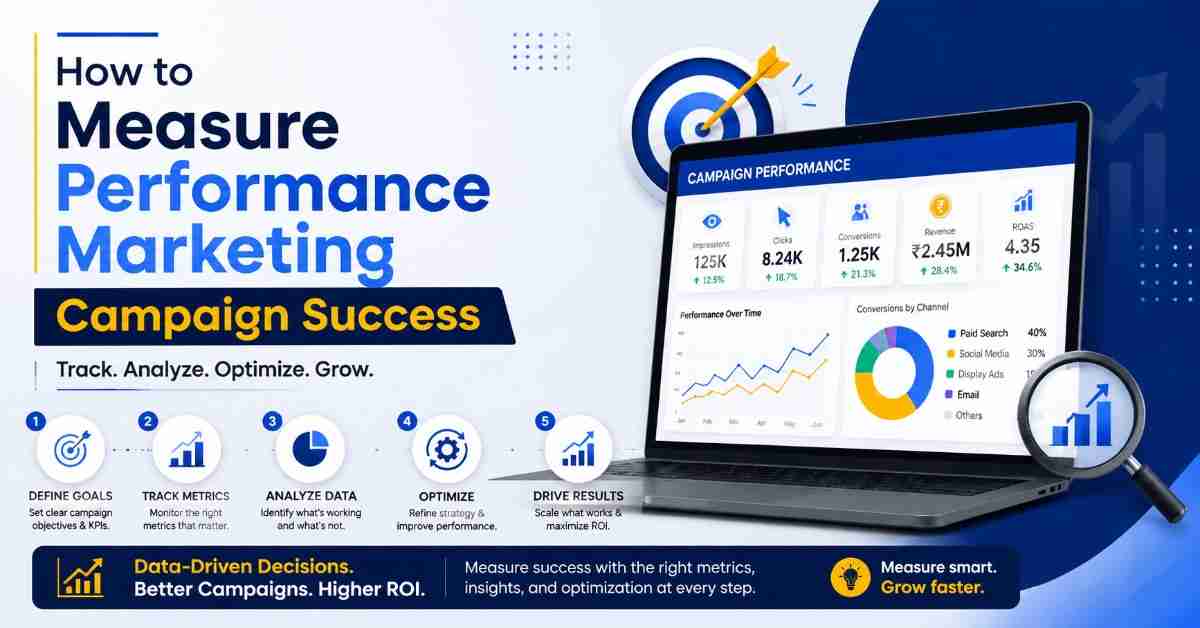
Boost Logistics Ads Performance: 10 Tactical Tips for Higher ROI
-
- March 09th, 2026
- 631 views
Introduction
To boost logistics ads performance, focus on campaign structure, targeting, creative relevance, and measurement rather than broad spend increases. This guide provides ten tactical tips, a practical checklist, a named framework, and a short real-world scenario for immediate application.
- Detected intent: Informational
- Primary action: Improve targeting, creative, bids, and analytics to lift conversions and reduce wasted spend.
- Includes: ARRIVE framework, checklist, 10 tips, practical example, and FAQs.
How to boost logistics ads performance
Improving performance for logistics advertising requires alignment between ad signals and real-world logistics capabilities: accurate service pages, relevant keywords, and measurement that ties leads to bookings or shipments. Use logistics advertising optimization to prioritize campaigns that drive measurable business outcomes, not just clicks.
ARRIVE framework: a quick decision model
Apply the ARRIVE framework to audit and scale logistics campaigns:
- A — Audience: Define core buyers (shippers, freight brokers, e-commerce sellers) and map buyer intent.
- R — Relevance: Match ad copy and landing pages to specific services (LTL, FTL, last-mile, warehousing).
- R — Route: Choose channels by funnel stage: search for demand capture, display and LinkedIn for awareness.
- I — Inventory: Ensure landing pages show real service availability, lead forms, and locality filters.
- V — Verify: Use call-tracking, CRM integration, and conversion APIs to validate leads and avoid attribution gaps.
- E — Evaluate: Run controlled experiments and use incremental lift measurement rather than raw conversion counts.
10 Tactical tips for logistics advertising optimization
- Segment campaigns by service and region. Separate LTL, FTL, warehousing, and cross-border offers so bids and creative match intent.
- Use intent-driven keywords and negative lists. Capture high-intent search queries (e.g., "expedited freight brokers near me") and exclude irrelevant traffic.
- Prioritize landing page relevance. Each ad group should point to a landing page that clearly states the service, lead form, and typical transit times.
- Employ call and form tracking. Route tracked calls and auto-populate forms to reduce friction; attribute leads in a CRM for downstream revenue mapping.
- Optimize bidding by value. Use conversion value or target-CPA based on customer lifetime value for shippers, not just first-order revenue.
- Test ad creative for logistics pain points. Highlight transit speed, coverage, compliance (e.g., customs expertise), and cost transparency in A/B tests.
- Leverage remarketing for decision stages. Serve tailored messaging: pricing calculators to mid-funnel visitors and expedited-offer reminders to late-funnel users.
- Use audience signals from freight portals and LinkedIn. Combine website visitor lists with industry lists (supply chain managers, procurement) for higher relevance.
- Measure incremental impact. Run lift tests or holdout experiments to see true campaign effect on shipments and revenue.
- Scale with safeguards. Increase budget on top-performing segments while monitoring unit economics and delivery capacity.
Checklist: Logistics Ads Launch & Audit
- Define primary KPIs (bookings, leads, shipment volume).
- Map keywords to services and regions.
- Confirm landing pages show accurate capacity and contact options.
- Integrate call tracking and CRM; verify conversions on both call and form paths.
- Set biweekly bid and creative reviews with conversion attribution checks.
Practical example: mid-sized freight forwarder
A regional freight forwarder with limited digital experience created segmented search campaigns for FTL and international ocean freight. After implementing call tracking and tailoring landing pages per service, cost per booked shipment fell 28% in three months while booking volume rose 18%. The improvement was driven by matched landing pages and conversion-value bidding tied to average shipment margins.
Practical tips (3–5 actionable points)
- Automate negative keyword expansion weekly to cut irrelevant clicks quickly.
- Set up conversion value rules in the ad platform to reflect shipment margins, not only order count.
- Use server-to-server or conversion API tracking to avoid data loss from ad blockers and browser privacy changes.
- Run a 4–6 week holdout test on a portion of the target geography to measure incremental lift before scaling budget.
Trade-offs and common mistakes
Trade-offs
Higher bid strategies often increase qualified leads but can strain fulfillment capacity; balance digital growth with operational readiness. Broader targeting reduces CPA initially but raises unqualified inquiries and support costs.
Common mistakes
- Sending all ads to a generic homepage instead of service-specific pages.
- Optimizing for clicks or impressions rather than bookings and shipment value.
- Not integrating offline conversions (phone leads, emailed quotes) into ad reporting.
Core cluster questions
- How should logistics companies structure search campaigns for regional coverage?
- What metrics define success for freight and shipping ads beyond clicks?
- Which landing page elements increase lead-to-booking conversion rates?
- How to use call tracking and CRM data to improve ad performance?
- When is it appropriate to switch to value-based bidding for logistics ads?
Standards and best practices
Follow platform-specific ad policies and best-practice guides for ad transparency and data handling. For technical tracking and measurement guidance, consult major ad platform documentation and industry standards such as those from the Interactive Advertising Bureau and platform vendor guidance. For example, platform conversion-tracking best practices are available from major ad networks to ensure reliable attribution: Google Ads conversion tracking best practices.
Next steps
Run a 30–60 day audit using the ARRIVE framework, implement the checklist items, and measure incremental lift with a controlled experiment. Prioritize changes that reduce lead friction and improve attribution first—those deliver the fastest insight into whether ads are driving profitable shipments.
How can a team quickly boost logistics ads performance?
Start by segmenting campaigns by service, implementing call tracking, and aligning landing pages to ad intent. Measure results with CRM-linked conversions and iterate weekly on bids and creative.
What is the best way to measure ROI for logistics ads?
Map ad conversions to booked shipments and revenue, then calculate ROI using shipment margin or lifetime customer value, not just first-order revenue.
How does supply chain PPC differ from standard PPC strategies?
Supply chain PPC often requires tighter regional targeting, service-specific messaging, and stronger offline conversion tracking (calls, RFQs) to capture true business impact.
Can ads scale without harming service quality?
Scaling without capacity planning risks delivery issues. Coordinate sales and operations: scale ad spend only after verifying fulfillment bandwidth and automated dispatch processes.
How to boost logistics ads performance quickly?
Focus on matching high-intent keywords to dedicated landing pages, enable call tracking, and apply conversion-value bidding tied to average shipment profitability for the fastest improvement.