Top 6 AI Image Generators for 2025: Feature Comparison and Use Cases
-

- April 12th, 2026
- 526 views

Get a free topical map and start building content authority today.
The best AI image generators 2025 have matured into practical tools for designers, marketers, and creators who need fast, high-quality visuals. This guide compares six leading image synthesis tools, explains core technologies, and gives a checklist for choosing the right one for a project.
Dominant intent: Commercial Investigation
What’s inside: concise comparisons of six generators, a named prompt checklist (IMAGE checklist), a 3-step real-world scenario, practical tips, common mistakes, and five core cluster questions for follow-up articles.
Primary keyword: best AI image generators 2025
Secondary keywords: text-to-image generators for designers; AI image generator comparison; image synthesis tools for marketing
Best AI Image Generators 2025: how these tools differ
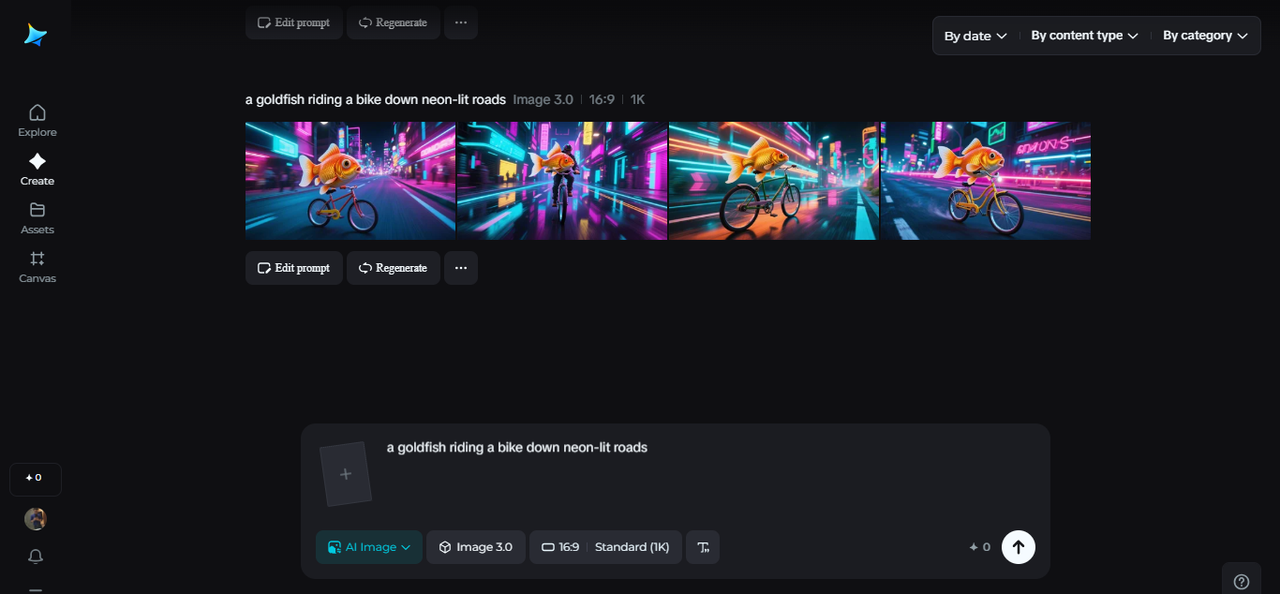
Generative models used by the best AI image generators 2025 fall into two main technical families: diffusion models and GAN-based architectures. Many services combine a base model (Stable Diffusion derivatives, proprietary diffusion variants, or transformer-based models) with features such as prompt refinement, image-to-image, upscaling, and commercial licensing controls. The following comparison focuses on core strengths, typical use cases, and trade-offs.
Quick comparison: 6 generators and what they do well
1) Example Generator A — generalist text-to-image with fast iteration
Overview: General-purpose text-to-image engine with strong prompt parsing and fast render times. Uses a diffusion backbone and multi-step denoising.
Strengths: Speed, wide style range, good default prompts.
Ideal for: rapid concept art and social media assets.
2) Example Generator B — photorealism and upscaling
Overview: Focuses on photorealistic results and built-in upscaling. Often used for product mockups and ad imagery.
Strengths: High-resolution output, realistic textures, fine-grain control over lighting.
Ideal for: ad creatives, product photography replacement, e-commerce images.
3) Example Generator C — style transfer and image-to-image
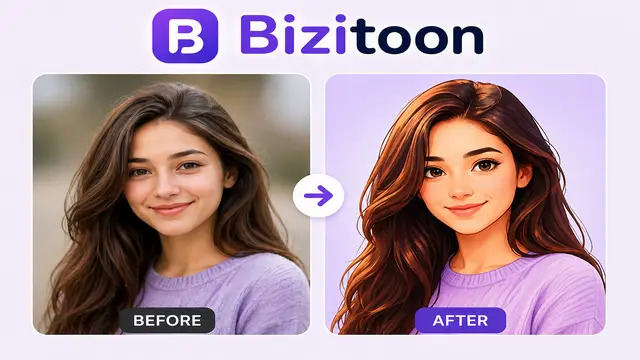
Overview: Strong image-to-image capabilities and style transfer for turning rough sketches or photos into finished art.
Strengths: Preserves composition, interprets rough inputs well.
Ideal for: illustrators and designers who start from a sketch or photo reference.
4) Example Generator D — creative and surreal outputs
Overview: Optimized for artistic, surreal, and experimental imagery. Often used by artists for concept exploration.
Strengths: Unusual compositions, experimental filters, strong community presets.
Ideal for: album art, concept art, editorial illustrations.
5) Example Generator E — enterprise-grade control and licensing
Overview: Offers enterprise workflow features: team accounts, asset management, and clear licensing for commercial use.
Strengths: Governance, audit logs, rights management.
Ideal for: agencies and in-house creative teams that need compliance and asset control.
6) Example Generator F — specialized templates for marketing
Overview: Template-driven output for marketing collateral, with layout-aware prompts and export presets for campaigns.
Strengths: Consistent brand templates, export to ad specs, integrated A/B variations.
Ideal for: marketers producing variations for social campaigns and landing pages.
Choosing the right tool: IMAGE checklist framework
Apply the IMAGE checklist when evaluating a generator for production work:
- I — Intent: Define the output use (social, print, ad, product image).
- M — Model & quality: Check base model (Stable Diffusion, diffusion variant), resolution limits, and upscaling.
- A — Access & workflow: Team controls, API access, integration with design tools.
- G — Governance & licensing: Commercial rights, usage logs, and export formats.
- E — Economics: Pricing, cost per image at target resolution, and token/credit models.
Real-world scenario
Scenario: A small ecommerce brand needs 50 product-style lifestyle images for a new campaign. Using the IMAGE checklist, the team prioritizes enterprise-grade control (G) and high-resolution (M). They choose a generator with batch rendering and template exports (A and E) to keep costs predictable and maintain brand consistency.
Practical tips for using AI image generators
- Refine prompts iteratively: start with a short core prompt, then add modifiers for lighting, lens, and mood.
- Use image-to-image when composition matters: provide a reference to lock framing and perspective.
- Manage output resolution and upscaling: generate at the native max resolution or use a trusted upscaler for print.
- Set a clear licensing workflow: store usage rights and asset provenance with each export.
Common mistakes and trade-offs
Trade-offs are common: tools that emphasize speed may sacrifice fine detail; those optimized for photorealism may be less creative for stylized art. Common mistakes include over-reliance on generic prompts, ignoring licensing terms, and skipping post-processing for color consistency. Balancing quality, cost, and control depends on the use case—designers may favor creative flexibility while brands prioritize governance and reproducibility.
Technical notes, model types, and legal basics
Key terms: diffusion models, GANs, text-to-image, image-to-image, inpainting, upscaling, prompt engineering. For copyright and licensing considerations, consult official guidance such as the U.S. Copyright Office on authorship and generated works before using images commercially.
Core cluster questions (for internal linking or follow-up articles)
- How to write prompts for photorealistic AI images?
- When to use image-to-image versus text-to-image workflows?
- What are licensing differences between AI image services?
- How to integrate AI image generators into a marketing workflow?
- Which upscaling methods preserve detail best for print?
FAQ
Which are the best AI image generators 2025?
Selection depends on needs: choose a speed-first generalist for rapid prototyping, a photorealism-focused generator for product and ad images, an image-to-image specialist for design refinement, and an enterprise-grade platform for rights and workflow controls. Use the IMAGE checklist above to compare providers objectively.
Are text-to-image generators for designers better than using stock photography?
Text-to-image generators for designers offer faster iteration and unique visuals but may require more post-processing to meet brand standards. Stock photography provides ready-made, legally vetted images; generative tools provide customization and scale for unique campaigns.
How to compare pricing and output quality across AI image generator services?
Compare cost per high-resolution image, API rates for batch rendering, and any extra fees for upscaling or commercial licensing. Test each service with the same prompt and resolution to compare consistent image quality and control features.
What are common mistakes when using AI image generators in production?
Common mistakes include neglecting rights management, failing to validate outputs for brand consistency, and skipping post-processing for color/format fixes. Plan a simple QA step for every generated asset to ensure it meets the final spec.
How should teams manage commercial rights and attribution?
Implement a documented workflow that records model, prompt, date, and export license for each asset. For legal clarity, consult official resources (see the U.S. Copyright Office link above) and consider contracts that specify permitted uses for generated images.