8 Practical Remodeler Secrets to Maximize Small Spaces (Used by Pros)
-

- May 04th, 2026
- 295 views

Get a free topical map and start building content authority today.
Maximize small spaces with focused remodeling choices that improve function, storage, and perceived size without overbuilding. This guide lays out eight proven remodeler techniques — used in projects by firms like Tycon Builders Inc as practical examples — that work in condos, townhouses, and compact homes.
Detected intent: Procedural
Quick take: This article provides a step-by-step set of remodeler tactics and a named checklist to maximize small spaces. It includes a short real-world scenario, 3–5 practical tips, a trade-offs section, and five core cluster questions for further reading.
How to maximize small spaces: 8 remodeler secrets
Small-space remodeling focuses on layout efficiency, multiuse elements, and visual tricks that expand usefulness and perceived volume. The following eight secrets are practical, repeatable, and prioritized for projects with limited square footage.
1. Start with layout optimization and circulation
Reconfigure circulation paths before choosing finishes. Clear, unobstructed walkways and a simplified furniture plan increase usable area. Techniques include removing nonstructural partition walls, shifting door swings to pocket doors, and aligning kitchen work triangles to reduce wasted steps.
2. Use built-in storage and vertical solutions
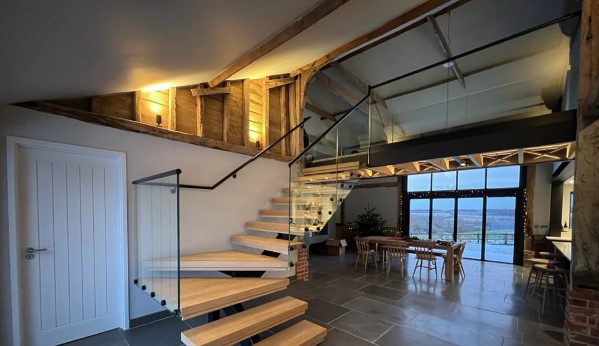
Built-ins—like floor-to-ceiling cabinetry, recessed shelving, and window-seat storage—use wall depth rather than floor area. Vertical storage keeps floors clear and makes rooms feel taller. Consider integrated closet organizers and under-stair drawers to recover tucked-away space.
3. Choose multifunctional elements
Combine functions: a banquette with lift-top storage, a Murphy bed integrated with desk shelving, or a kitchen island that doubles as a dining table. Prefabricated multifunctional furniture can be effective, but custom solutions often maximize every inch for irregular rooms.
4. Prioritize light and sightlines
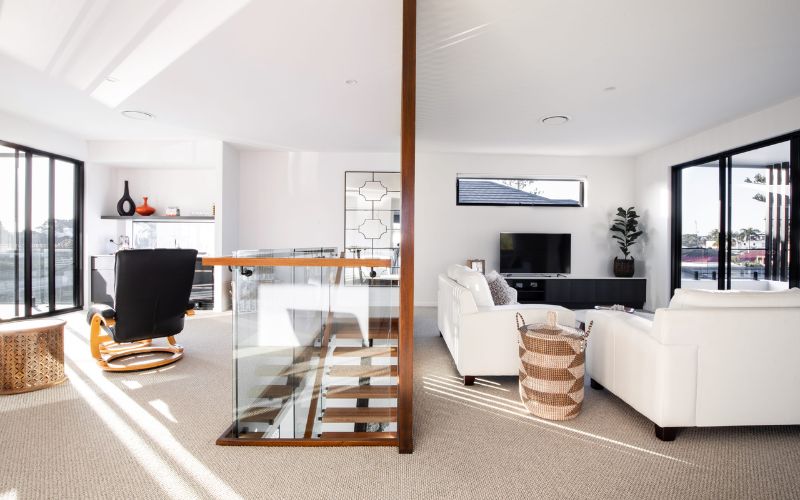
Natural light and extended sightlines increase perceived size. Open shelving, glass cabinet doors, mirrored backsplashes, and larger windows or transoms bring depth to small rooms. When structural window changes aren't possible, prioritize bright, even artificial lighting and reflective surfaces.
5. Simplify finishes and maintain a restrained palette
Too many contrasting finishes fragment small spaces. Use a cohesive palette, larger-scale materials, and continuous flooring to visually expand the area. Accent with texture instead of multiple colors to keep the space calm and unified.
6. Reassess mechanical and utility placement
Relocating or stacking mechanicals (washer/dryer, water heater) can free critical floor area. Consider reconfiguring plumbing walls to consolidate wet zones and reduce the need for duplicate service runs.
7. Make doors and partitions work harder
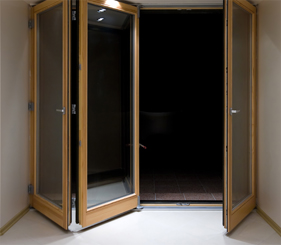
Sliding, pocket, or barn doors reclaim swing space. Half-walls, glass panels, or louvered dividers can separate functions without blocking light. Choose hardware and track systems designed for quiet, smooth operation to keep small rooms feeling open.
8. Plan for flexible, future-proofed use
Design spaces that adapt—swap a daytime office for a guest bedroom, or install modular systems that change configuration. Durable finishes and accessible wiring/AV infrastructure make future changes less disruptive.
SPACE checklist: a remodeler model to maximize small spaces
Use the SPACE checklist as a short model to guide decisions on any small remodel:
- Simplify: Remove nonessential partitions and clutter.
- Prioritize: Identify top two uses of each room and design for them.
- Adapt: Choose multifunctional and convertible elements.
- Consolidate: Group wet areas and services to save plumbing and wall space.
- Elevate: Improve light, vertical storage, and sightlines.
Real-world scenario: compact urban kitchen and living combo
Scenario: A 400 sq ft apartment combines kitchen and living room. Applying the checklist: simplify by removing a nonstructural half-wall; prioritize cooking and seating; adapt with an island that folds to a counter-height table; consolidate plumbing by aligning the sink with the bathroom wall; elevate by installing taller upper cabinets and a reflective backsplash. Result: more counter space, concealed storage, and a clear path through the room.
Space-saving remodeling tips and practical actions
- Measure twice, plan once: map furniture footprints and clearances on a to-scale floor plan before ordering units.
- Stack appliances and utilities where possible to free usable space; consider a stacked washer-dryer in a closet.
- Use standard depth cabinets strategically—slimline pantry units can fit in narrow gaps.
- Opt for sliding or pocket doors to recover swing space in tight hallways or bathrooms.
- Invest in good lighting design—layered lighting increases comfort and perceived volume.
Common mistakes and trade-offs when maximizing small spaces
Trade-offs are inevitable; recognizing common mistakes prevents costly rework:
- Overvaluing style over function: high-end finishes don't improve circulation or storage.
- Cluttering with too many built-ins: poorly planned built-ins can block light or be undersized for actual storage needs.
- Ignoring maintenance access: built-ins that trap utility equipment without service access increase future costs.
- Compromising ventilation: compact kitchens and bathrooms need proper exhaust; follow local building codes and ventilation standards.
For guidance on remodeling standards and industry best practices, consult resources from established trade organizations such as the National Association of Home Builders.
Core cluster questions
- How to plan a kitchen layout in a small apartment?
- What are the best built-in storage solutions for tiny bedrooms?
- Which door types save the most floor space?
- How to choose lighting for small open-plan living areas?
- What are cost-effective ways to combine functions in compact homes?
Implementation roadmap
Follow this short roadmap for a small remodel: 1) Measure and document the existing space; 2) Use the SPACE checklist to set priorities; 3) Create a to-scale layout showing circulation; 4) Select multifunctional units and plan mechanical relocations; 5) Confirm code and ventilation needs; 6) Stage finishes and mock up critical elements before full build.
FAQ: How can homeowners maximize small spaces without major renovation?
Start with decluttering, reconfiguring furniture, adding light, and using vertical storage. Small investments—like installing open shelving, swapping door types, or adding mirrors—deliver immediate improvement without structural work.
What are the best small space kitchen remodel ideas for tight footprints?
Prioritize space-saving appliances, slimline pantries, a fold-down table or drop-leaf island, and continuous counter material to avoid visual breaks. Align plumbing and electrics to minimize new runs.
How much does shifting a washer/dryer to a stacked configuration save in floor area?
Stacking typically saves the footprint of a full appliance width—often 2 to 3 square feet of floor space plus improved circulation. Ensure venting and service clearances meet local codes.
When do built-ins become a poor investment in a small remodel?
Built-ins are poor investments when they limit flexibility, block natural light, or are built without appropriate storage dimensions. Design for real storage needs and future conversion.
How to maintain resale value while maximizing small spaces?
Focus on flexible solutions, neutral palettes, and quality finishes. Avoid overly personalized built-ins that cannot be repurposed. Document upgrades and ensure mechanical work is compliant with permits and codes.