Breast Reduction Surgery in Riyadh: Complete Guide to Choosing, Preparing, and Recovering
-

- Published Updated
- 359 views
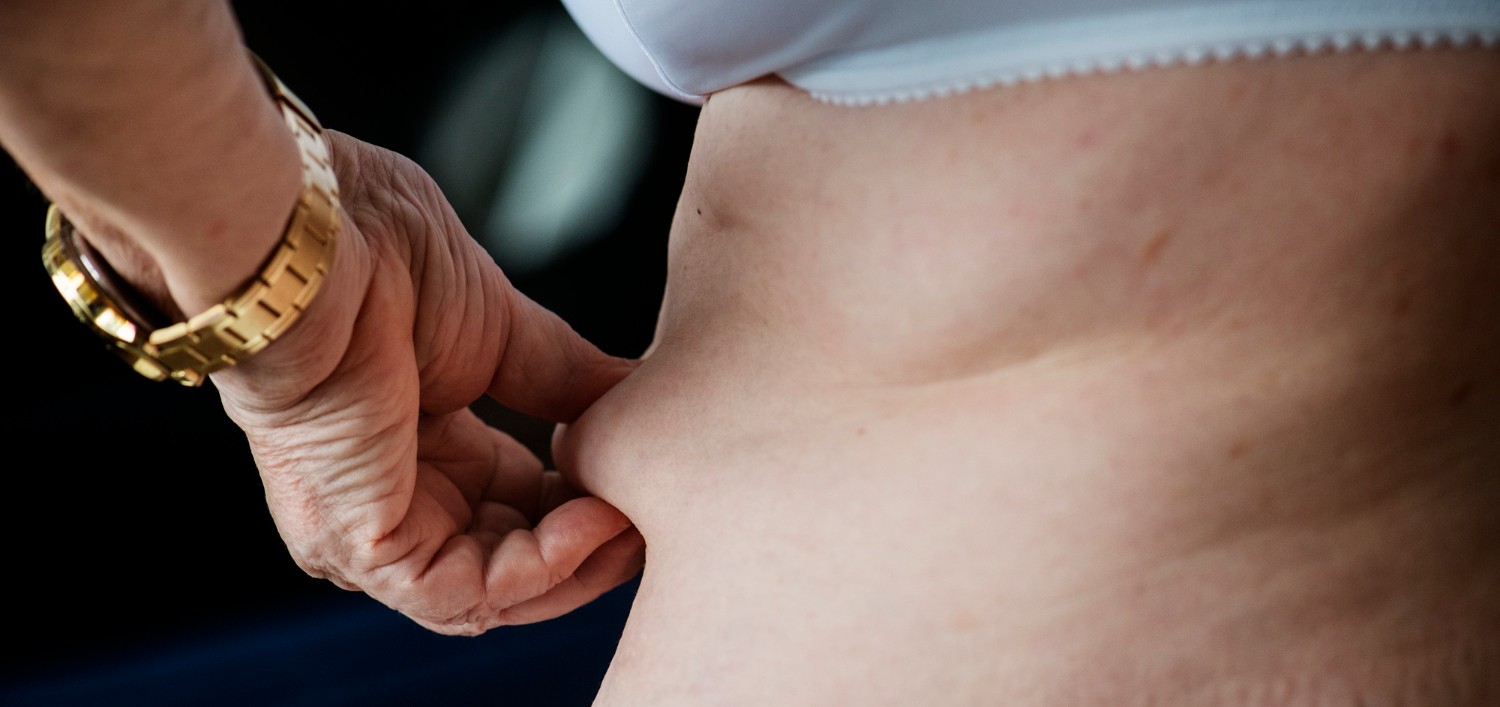
Breast reduction surgery Riyadh is a common elective procedure sought to relieve physical discomfort, improve posture, and achieve a breast size more proportionate to body shape. This guide explains how to evaluate surgeons, plan the procedure, and manage recovery so decisions are informed and realistic.
Intent detected: Commercial Investigation
Key actions: verify surgeon credentials, walk through the PREP-BR checklist, get a clear cost estimate, plan recovery (2–6 weeks), and expect measurable symptom relief and scarring that fades over time.
What breast reduction surgery Riyadh involves
Breast reduction (reduction mammaplasty) removes excess breast tissue, fat, and skin and repositions the nipple-areola complex to create a smaller, firmer breast. Indications include chronic neck/back pain, skin irritation under the breast fold, difficulty exercising, and clothing fit problems. Surgical approaches vary: inferior-pedicle (anchor/T-shaped), vertical (lollipop), and liposuction-assisted reductions are selected based on anatomy and goals.
How to choose a surgeon and clinic in Riyadh
Choosing a qualified, experienced plastic surgeon is the most important decision factor. Look for board certification from recognized organizations, documented before-and-after galleries, and clear perioperative protocols. In Saudi Arabia, verification through the Saudi Commission for Health Specialties (SCFHS) and clinics accredited by the Ministry of Health or international accreditation bodies adds confidence.
Credentials and verification
- Confirm board certification and years of experience with reduction mammaplasty.
- Ask for hospital privileges and details on where the surgery will be performed (accredited facility preferred).
- Request to see standardized before-and-after photos from prior patients with similar body types.
Consultation checklist: PREP-BR Checklist
Use the PREP-BR Checklist during consultations to compare options across surgeons and clinics.
- Pain/symptoms documented — measure how symptoms limit daily life.
- Results expected — realistic goals for size, shape, and scars.
- Experience — surgeon volume and technique preference.
- Planning — anesthesia, facility, and follow-up schedule.
- Budget/cost transparency — itemized quotes for surgeon, facility, anesthesia, and labs.
- Recovery logistics — time off work, caregiver support, and scar-care plan.
Costs, financing, and expectations for pricing
Cost varies depending on surgeon level, facility, and technique. Patients commonly search for "breast reduction cost Riyadh" to compare quotes. Typical estimates should include the surgeon fee, operating room fee, anesthesia, pathology (if any), and follow-up visits. Some insurance plans may cover part of the cost if the procedure is deemed medically necessary for documented physical symptoms — submit medical records and physician notes for preauthorization when applicable.
Preparing for surgery and what to expect during recovery
Preparation reduces risk and improves outcomes. Stop smoking at least 4–6 weeks before surgery, optimize chronic conditions (diabetes, hypertension), and arrange transport and caregiver help for the first 48–72 hours.
Typical recovery timeline
- First 48–72 hours: rest, manage pain with prescribed medication, and limited mobility.
- Week 1–2: light daily activities resume; swelling and bruising peak then begin to subside.
- Week 3–6: gradual return to work and low-impact exercise; avoid heavy lifting.
- After 6 weeks: most normal activities resume; scars continue to mature for 12–18 months.
Practical tips for recovery
- Wear a supportive surgical bra continuously for the first 4–6 weeks, switching only for washing as guided.
- Follow incision care and drainage instructions precisely to reduce infection risk.
- Document changes with photos and bring them to follow-up visits for objective progress checks.
Common mistakes and trade-offs when planning breast reduction
Understanding trade-offs helps set realistic expectations.
- Trade-off — Size vs. scarring: More reduction often means longer scars. Techniques that minimize scars can be less effective for very large breasts.
- Trade-off — Immediate size vs. long-term shape: Weight changes, pregnancy, and aging will affect long-term results.
- Common mistakes: Choosing a surgeon based on price alone, skipping a second opinion, or not confirming facility accreditation.
Short real-world example
A 38-year-old office worker experienced chronic shoulder pain and recurring rashes beneath the breast fold. After documenting symptoms and using the PREP-BR Checklist, the patient consulted two board-certified plastic surgeons in Riyadh, confirmed hospital privileges, and chose a vertical-scar reduction. After a 4-week recovery, pain decreased by 80% and the patient returned to jogging at 6 weeks with scar management to follow.
Safety, standards, and where to find authoritative guidance
Follow evidence-based perioperative practices: preoperative medical clearance, venous thromboembolism risk assessment, infection prevention, and structured follow-up. For best-practice surgical information on reduction mammaplasty, refer to established professional sources such as the American Society of Plastic Surgeons (ASPS) for procedure overviews and safety recommendations: plasticsurgery.org — Breast Reduction.
Practical tips before booking a procedure
- Get written, itemized quotes and confirm what is and isn't included (e.g., garments, follow-up visits).
- Ask for a simulated post-op size or try on sizing garments during consultations to align expectations.
- Verify emergency protocols and after-hours contact at the clinic or hospital.
Core cluster questions for internal linking
- How to choose the best breast reduction surgeons in Riyadh?
- What is the typical breast reduction recovery timeline and restrictions?
- Does health insurance cover breast reduction surgery in Riyadh for medical reasons?
- What are the long-term results and scar management strategies after breast reduction?
- How do different breast reduction techniques compare for very large breasts?
FAQ
How soon can normal activities resume after breast reduction surgery Riyadh?
Most patients return to desk work within 1–2 weeks and resume low-impact exercise at 3–6 weeks, depending on surgeon instructions and individual healing. Heavy lifting and high-impact exercise typically require a 6-week pause. Follow-up appointments should confirm tissue healing and activity clearance.
Will breast reduction scars be visible long term?
Scars are an expected outcome. They typically fade and flatten over 12–18 months with proper care: sun protection, silicone-based scar treatments, and follow-up topical or steroid interventions as advised by the surgeon. Scar placement is discussed during the consultation based on the chosen technique.
Can breast reduction surgery fix asymmetry?
Yes. Reduction mammaplasty frequently includes adjustments to correct asymmetry in size and nipple position. Complete symmetry is not always achievable but substantial improvement is typical when addressed by an experienced surgeon.
What are common complications and how are they managed?
Common risks include bleeding, infection, delayed wound healing, and changes in nipple sensation. Most complications are manageable with medical care; prompt communication with the surgical team is essential. Preoperative optimization and following postoperative instructions reduce risk.
How much does breast reduction cost in Riyadh and does insurance help?
Prices vary; request an itemized estimate. Insurance may cover part of the cost when the procedure is medically necessary, supported by documentation of symptoms, prior conservative treatments, and physician notes. Confirm specific policy terms with the insurer before scheduling.