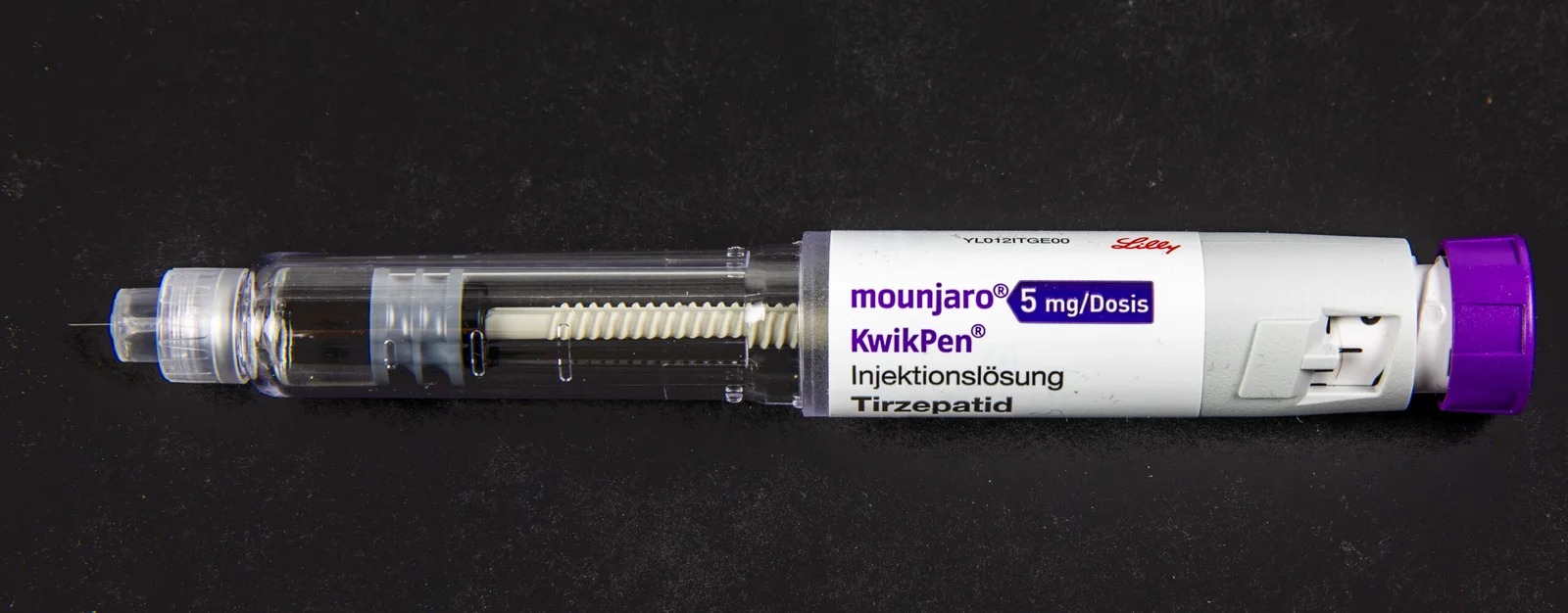
How to Use Mounjaro for Weight Loss in Dubai: Safe Steps, Clinics, and Monitoring
-

- March 14th, 2026
- 682 views
Intent: Informational
Mounjaro for weight loss in Dubai is an increasingly discussed option for adults with obesity or overweight and related metabolic conditions. This guide explains how Mounjaro (tirzepatide) is used in clinical settings, what to expect from treatment, and how to choose and work with Dubai clinics to get safe, effective results.
- Mounjaro (generic: tirzepatide) is a dual GIP/GLP-1 receptor agonist prescribed for type 2 diabetes; it is also used off-label or in trials for weight loss under medical supervision.
- Key steps: medical assessment, prescription from an authorized clinician, gradual dose titration, regular monitoring, and lifestyle support.
- Risks include gastrointestinal side effects, pancreatitis risk signals, and the need for monitoring of blood sugar, kidney function, and medications.
Mounjaro for weight loss in Dubai: what it is and how it works
Mounjaro (active ingredient tirzepatide) acts on incretin hormones—specifically GIP and GLP-1—to reduce appetite, slow gastric emptying, and improve glucose control. Although the drug is approved for type 2 diabetes in many jurisdictions, clinicians may prescribe it for weight management in people who meet clinical criteria. Before starting Mounjaro for weight loss in Dubai, a medical evaluation should confirm suitability, including BMI, comorbidities, and concomitant medications.
Who is a candidate and legal/medical considerations in Dubai
Candidates commonly include adults with BMI ≥30 kg/m2 or BMI ≥27 kg/m2 with obesity-related conditions (hypertension, sleep apnea, type 2 diabetes). In Dubai, prescriptions must come from licensed healthcare providers; regulations for off-label prescribing vary by clinic and facility. Clinical guidelines from endocrinology associations and global public health agencies caution that drug therapy should complement lifestyle interventions and clinical follow-up.
Related terms and mechanisms
- Tirzepatide — the molecule in Mounjaro
- GLP-1 and GIP agonists — hormone-based appetite and glucose regulators
- BMI, metabolic syndrome, HbA1c — measures used to assess candidacy and progress
How to start Mounjaro in Dubai: practical, step-by-step actions
Before beginning any medication-assisted weight-loss plan, discuss risks and benefits with an endocrinologist or obesity specialist. The following procedural steps outline a typical, medically supervised path.
MOUNJARO START Checklist (named checklist)
Use the MOUNJARO START checklist to structure safe initiation and monitoring:
- Medical assessment: BMI, labs (HbA1c, kidney and liver tests, lipid panel), pregnancy test for women of childbearing potential.
- Understand indications: confirm clinical rationale and whether treatment is on-label or off-label.
- Obtain prescription from a licensed Dubai clinician and verify medication sourcing (registered pharmacy or clinic).
- Nutrition and activity plan: set realistic goals and arrange dietitian support.
- Regular monitoring schedule: follow-up appointments at 4–12 weeks for dose changes and side-effect checks.
- Adjust concomitant medications: insulin and sulfonylurea dosing may need reduction to avoid hypoglycaemia.
- Transition & taper plan: long-term planning for maintenance, discontinuation, or alternative therapies.
Where to get treatment and what to ask clinics
When researching Mounjaro treatment Dubai clinics, select facilities with endocrinology or obesity medicine specialists, clear monitoring protocols, and transparent pricing. Ask prospective clinics about clinician credentials, follow-up schedule, emergency protocols for adverse reactions, and whether a dietitian and nurse are part of the care team.
Real-world scenario: a typical patient pathway
Example: A 42-year-old adult with BMI 33 kg/m2 and prediabetes consults an endocrinologist in Dubai. After baseline bloodwork and counseling, a shared decision leads to a supervised trial of tirzepatide. The dose is slowly titrated over 8–12 weeks with monthly follow-ups, dietary counselling, and a plan to reduce a concurrent sulfonylurea dose. The patient experiences early nausea but maintains a structured meal plan and records 8% weight loss over 6 months, with ongoing monitoring for side effects.
Practical tips to maximize safety and results
- Work with a multidisciplinary team: endocrinologist, dietitian, and nurse for titration and education.
- Start slow: follow the clinic’s titration schedule to reduce gastrointestinal side effects.
- Track metrics: BMI, waist circumference, HbA1c (if diabetic or prediabetic), blood pressure, and medication list.
- Plan for side effects: have strategies for nausea (smaller meals, low-fat foods) and report severe abdominal pain immediately.
- Confirm safe medication supply: use licensed pharmacies and verify storage instructions for injectable medications.
Trade-offs and common mistakes
Understanding trade-offs prevents unrealistic expectations:
- Trade-offs: higher efficacy in weight loss often comes with increased risk of gastrointestinal side effects and the need for frequent follow-up. Cost and the need for continuous therapy for maintenance are also considerations.
- Common mistakes: skipping baseline labs, obtaining medication from unverified sources, failing to adjust other glucose-lowering drugs, and stopping follow-up once initial weight loss occurs.
Safety notes and official guidance
Clinicians should follow local regulatory rules and established safety guidance. For global context on obesity and public-health recommendations, authoritative resources can clarify evidence-based best practices and risk factors: WHO — Obesity and Overweight fact sheet. This reinforces that pharmacologic therapy is one component of a comprehensive obesity management plan.
Core cluster questions
- Who is eligible for tirzepatide-based weight loss therapy?
- What is the typical dose titration schedule for Mounjaro in weight management?
- How do clinics in Dubai monitor patients on GLP-1 or GIP therapies?
- What lifestyle changes should accompany Mounjaro treatment for lasting weight loss?
- How are side effects like nausea and constipation managed during tirzepatide therapy?
FAQ
Is Mounjaro for weight loss in Dubai approved for obesity?
Approval status depends on the regulatory body: Mounjaro is approved for type 2 diabetes in many countries and is being studied for weight management. In Dubai, clinicians may prescribe tirzepatide on a case-by-case basis; confirm local regulatory guidance and clinic policies. A licensed healthcare provider must evaluate risks and benefits and document informed consent for off-label use.
How to use Mounjaro for weight loss safely?
Use only under medical supervision: get baseline labs, follow a conservative titration plan, monitor for side effects, adjust other medications as needed, and pair therapy with diet and exercise support. Regular follow-up visits are essential for dose adjustments and safety checks.
What side effects should be expected and when to seek help?
Common side effects include nausea, diarrhea, constipation, and injection-site reactions. Seek immediate medical attention for severe abdominal pain, persistent vomiting, signs of pancreatitis, or symptoms of hypoglycemia if taking insulin or insulin secretagogues.
How long does weight loss with Mounjaro usually take?
Weight loss timelines vary. Many people notice appetite reduction and weight changes within weeks, with more substantial results over 3–6 months. Long-term maintenance often requires ongoing lifestyle measures and medical follow-up.
Can Mounjaro be combined with other weight-loss treatments?
Combination therapies and transitions are clinical decisions made by specialists. Some medications may interact or increase hypoglycemia risk. Discuss all current treatments with the prescribing clinician before making changes.
Medical decisions should always be made in consultation with licensed healthcare professionals. This article provides informational guidance, not medical advice, and does not replace a consultation with a qualified clinician in Dubai.