Comprehensive Guide to Keloid Removal Options in Dubai
-
- Published Updated
- 1,418 views
Keloid removal Dubai is a common search for people seeking treatment options in the United Arab Emirates. Keloids are raised scars that can develop after skin injury, surgery, acne or piercings. Treatment choices in Dubai span from conservative approaches to advanced surgical and energy-based techniques, and selecting the appropriate option depends on scar size, location, patient skin type and clinical guidance.
- Advanced keloid removal in Dubai includes injections, surgery with adjuvant therapy, laser and radiation options.
- Outcomes vary; recurrence is common and influenced by scar characteristics and follow-up care.
- Regulatory oversight is provided by the Dubai Health Authority; consult a licensed specialist for evaluation.
Keloid removal Dubai: Advanced techniques
Advanced keloid removal techniques fall into categories: non-surgical treatments, surgical excision with adjunctive measures, and device-based therapies. Non-surgical methods are often first-line for smaller or early keloids; surgical and combined approaches are considered for larger or refractory lesions.
Intralesional corticosteroid injections
Intralesional corticosteroid injections are widely used to reduce keloid size and symptoms such as itching and pain. Repeated injections at scheduled intervals may flatten the scar and improve texture. This method is commonly combined with other therapies to lower recurrence risk.
Silicone therapy and pressure dressings
Topical silicone sheets or gels and pressure therapy can help remodel scar tissue and are recommended as part of a conservative management plan. These options are non-invasive and may be used post-procedure to support healing and reduce tension on the scar site.
Laser and energy-based therapies
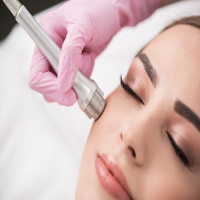
Several laser and light-based treatments target vascularity and collagen remodeling within keloids. Pulsed-dye lasers (PDL) and fractional lasers are used to reduce redness, soften texture and improve pliability. Laser therapy may be combined with injections or topical agents for enhanced effect.
Surgical excision with adjuvant therapy
Surgical removal of a keloid can provide immediate volume reduction but carries a higher recurrence risk if used alone. To reduce recurrence, excision is often paired with adjuvant measures such as corticosteroid injections, topical treatments, pressure therapy, or radiation delivered shortly after surgery.
Radiation therapy
Low-dose radiation delivered in the immediate postoperative period is an evidence-supported adjuvant that can decrease keloid recurrence rates after excision. Radiation protocols and safety considerations are guided by clinical specialists and regulatory standards to balance benefit and risk.
Choosing treatment in Dubai: clinical and regulatory considerations
Assessment and specialist referral
An accurate assessment by a qualified dermatologist, plastic surgeon or a specialist in scar management is important. Evaluation includes scar history, prior treatments, skin type and potential for recurrence. Treatment plans should be individualized and may combine multiple modalities over time.
Regulatory and safety context
Treatment providers in Dubai operate under the Dubai Health Authority (DHA) and should meet local licensing and practice standards. Seek care from licensed clinicians and facilities that follow accepted clinical protocols and provide clear information about risks, benefits and follow-up requirements.
Outcomes and recurrence
Recurrence rates vary by treatment type and individual factors. Even advanced approaches may require repeat interventions or maintenance therapy. Realistic expectations, documented consent and a follow-up plan are essential parts of care.
Preparing for treatment and aftercare
Pre-procedure considerations
Before any intervention, obtain a full history of previous scars, interventions, infections and relevant medical conditions. Some treatments require avoidance of certain medications or temporary lifestyle adjustments to reduce complication risks.
Post-procedure care
Aftercare commonly involves wound care instructions, use of silicone or pressure devices, sun protection and scheduled follow-up visits. Compliance with aftercare recommendations can influence outcome and reduce the chance of keloid recurrence.
Evidence and guidance
Clinical consensus and peer-reviewed literature support combination approaches for difficult-to-treat keloids. Professional organizations such as dermatology societies publish practice guidance on scar management. For general educational material on wound healing and scars, the American Academy of Dermatology provides patient-facing resources and clinical position statements which may be consulted for background information: American Academy of Dermatology.
When to consult a specialist
Consider specialist consultation for keloids that are expanding, symptomatic (pain or itching), functionally limiting, cosmetically concerning, or previously treated without lasting improvement. Specialists can advise on combined strategies and coordinate multi-disciplinary care when needed.
Frequently asked questions
Is keloid removal Dubai safe and effective?
Safety and effectiveness depend on the chosen technique, clinician expertise and follow-up care. Licensed providers following DHA guidelines aim to minimize risks. Effectiveness varies; combination approaches often provide better long-term control than single therapies.
What is the risk of keloid recurrence after treatment?
Recurrence risk varies widely. Simple excision alone tends to have higher recurrence rates; combining excision with adjuncts like corticosteroid injections, pressure therapy or postoperative radiation reduces recurrence for many patients.
Are non-surgical options worth trying first?
Non-surgical measures such as steroid injections, silicone therapy and laser treatments are often first-line for smaller or early keloids and may be effective with lower immediate risk than surgery. A specialist can advise which approach suits the specific scar.
How to find a qualified provider in Dubai?
Verify clinician credentials and licensing with the Dubai Health Authority, review facility accreditation and request a clear treatment plan that outlines expected outcomes, risks and follow-up care before proceeding.