Acne Scar Treatment in Dubai: Practical Options, Costs, and a Clear Care Checklist
-

- March 19th, 2026
- 506 views

FREE SEO Topical Map Generator: Find Your Next Content Ideas
Acne scar treatment in Dubai attracts many patients seeking visible improvement with modern dermatology and cosmetic clinics. This guide explains common procedures, realistic outcomes, and how to evaluate providers and costs so decisions match scar type, skin tone, and recovery tolerance.
Detected intent: Informational
Key takeaways: acne scar treatment in Dubai includes lasers, microneedling, chemical peels, subcision, and fillers. Match treatment to scar morphology (icepick, rolling, boxcar), skin phototype, and downtime preferences. Use the CLEAR Scar Care Checklist below to compare clinics and set realistic expectations.
Choosing acne scar treatment in Dubai: options and outcomes
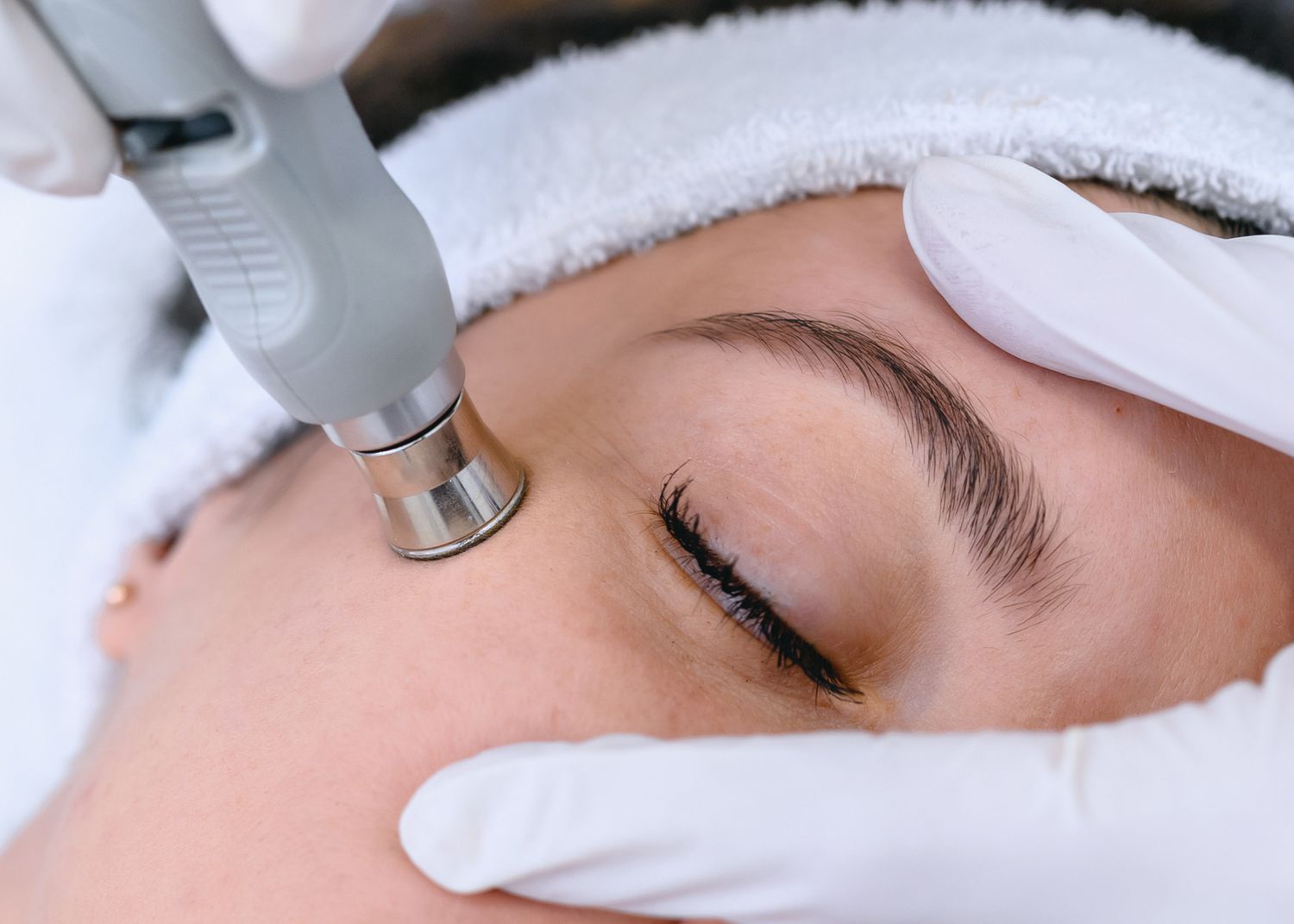
Treatment choice depends on scar type, skin tone, and previous acne activity. Typical clinical options include fractional lasers (CO2, erbium), microneedling (with or without radiofrequency), chemical peels (TCA, deep phenol in select cases), subcision, dermal fillers, and combination approaches such as microneedling plus PRP (platelet-rich plasma). Each modality addresses different layers and patterns of scarring: superficial textural change, dermal tethering, and volume loss.
How procedures map to scar types
- Icepick scars: often require focal treatments (TCA CROSS, punch excision).
- Boxcar scars: respond to resurfacing (fractional lasers, medium-depth peels).
- Rolling scars: improve with subcision plus fillers or energy-based remodeling.
Evidence and safety considerations
Board-certified dermatologists and published guidance (for example, materials from national dermatology associations) recommend matching device energy and peel depth to skin phototype to reduce risks of pigmentary change or hypertrophic scarring. For a summary of professional recommendations on scar evaluation and management, see the American Academy of Dermatology resource: American Academy of Dermatology — Acne Scars.
Cost drivers and clinic selection in Dubai
Costs vary by clinic reputation, device type, number of sessions, and clinician expertise. Expect a range: single-session in-office procedures (light microneedling, superficial peels) are lower cost; fractional CO2 or series of combined treatments increase total expense. Clinics in Dubai’s premium medical districts may charge more but also offer multidisciplinary teams and hospital-grade devices.
Factors to verify before booking
- Clinician credentials and experience with the specific procedure.
- Before-and-after photos from similar skin types and scar patterns.
- Clear written treatment plan with number of sessions and downtime estimates.
Practical CLEAR Scar Care Checklist
Use this named framework to compare options and clinics quickly.
- Consultation: documented scar assessment and photographic records.
- Lesion type match: treatments tied to icepick, boxcar, rolling, or mixed scars.
- Energy/device fit: device settings appropriate for skin phototype and scar depth.
- Aftercare plan: instructions for wound care, sun protection, and pigment control.
- Realistic expectations: number of sessions, likely % improvement, and possible side effects.
Real-world example scenario
Example: a 28-year-old with predominantly rolling scars and Fitzpatrick IV skin type wants moderate improvement with a week of downtime. The CLEAR checklist leads to a recommended plan: targeted subcision for tethered areas, 2–3 sessions of microneedle radiofrequency spaced 6–8 weeks apart, strict sun avoidance, and topical pigment-control protocol to reduce post-inflammatory hyperpigmentation risk.
Practical tips for patients considering treatment
- Choose treatments tailored to scar morphology rather than the most advertised device; not all lasers help all scars.
- Ask for photographic examples from the same clinic and skin type; lighting and angles matter for honest comparisons.
- Factor in maintenance: some soft-tissue fillers resorb and require repeat injections to maintain volume correction.
- Protect treated skin from sun and follow pigment-control guidance for at least 3 months post-procedure.
Common mistakes and trade-offs
Overaggressive resurfacing in darker skin increases the risk of lasting hyperpigmentation. Conversely, under-treating can leave patients disappointed. A staged, combination approach often balances efficacy and safety: e.g., subcision for release of tethers followed by fractional resurfacing for textural remodeling. Expect trade-offs between downtime and degree of improvement—deeper ablation delivers greater change but requires more recovery and carries higher complication risk.
How to compare clinics and set realistic expectations
Verification steps: confirm clinician licensure, ask about device maintenance and consumables, and request a written consent outlining risks and aftercare. Seek a second opinion when recommended treatment is high-risk or costly. For many patients, a combination plan that sequences lower-risk interventions first provides measurable improvement while preserving options for more intensive procedures later.
Core cluster questions
- Which procedures are best for rolling acne scars?
- How many sessions of fractional laser are typically needed for boxcar scars?
- What aftercare reduces the risk of hyperpigmentation after resurfacing?
- When is subcision indicated versus fillers for depressed scars?
- How should scar treatment plans change for darker skin tones?
FAQ: common patient questions
Is acne scar treatment in Dubai worth it?
Value depends on realistic goals, accurate scar assessment, and appropriate treatment selection. Meaningful improvement is common with combination therapy and experienced clinicians, but complete elimination of scars is rarely realistic. Budget, downtime tolerance, and skin type should guide the plan.
Which treatments have the shortest recovery time?
Superficial chemical peels and light microneedling generally have minimal downtime (1–3 days). Fractional lasers and deeper peels require longer recovery (several days to 2 weeks) and carry higher pigment-risk for darker skin types.
How to reduce the risk of pigmentation after treatment?
Use pre- and post-procedure pigment-control regimens (topical agents like hydroquinone alternatives, strict sun protection), and opt for energy settings and modalities suited to the skin phototype. Close follow-up allows early treatment of any pigmentary changes.
Can combination treatments improve results more than single procedures?
Yes. Combining subcision, resurfacing, and fillers often addresses the multiple structural problems behind acne scars, producing more consistent outcomes than single-modality approaches, while allowing lower intensity per modality and improved safety.