How Painful Are Mounjaro Injections? What to Expect and How to Reduce Discomfort
-

- Published Updated
- 1,439 views
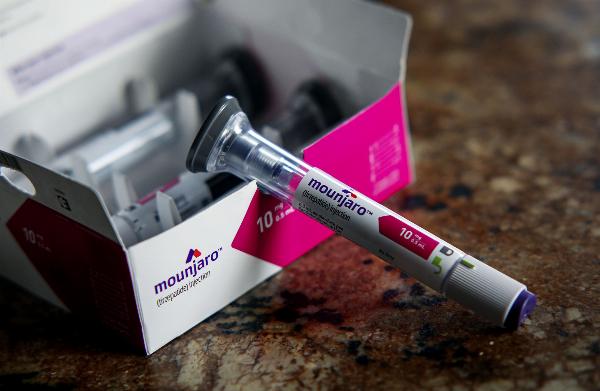
The question "Mounjaro injections painful" is common among people starting treatment with tirzepatide. Most reports and clinical information describe injection discomfort as mild and short-lived, but experiences vary depending on injection technique, needle size, and individual sensitivity.
- Most people describe Mounjaro injections as mildly uncomfortable rather than sharply painful.
- Common local reactions include tenderness, redness, itching, or bruising at the injection site.
- Factors that influence pain include needle gauge, injection site, medication temperature, and technique.
- Simple steps — letting the pen reach room temperature, rotating sites, and relaxing the muscle — can reduce discomfort.
Are Mounjaro injections painful?
Clinical trial reports and patient information for tirzepatide (sold under the brand name Mounjaro) indicate that injection-site reactions are among the more commonly reported local effects. These reactions are typically described as mild to moderate and transient. Severe pain with routine subcutaneous injection is uncommon.
How Mounjaro injections are given
Medication and delivery
Tirzepatide is administered by subcutaneous injection, usually using a single-dose or multi-dose pen. Subcutaneous injections deposit medication into the fatty layer beneath the skin instead of into muscle or vein, which is generally less painful than intramuscular injections.
Common injection sites
Typical subcutaneous injection sites include the abdomen, front of the thighs, and upper outer arms. Pain can vary by site: the abdomen often causes less discomfort for many people, while the thigh or arm may feel different depending on local sensitivity and body composition.
What sensations and side effects are common
Local reactions
Common local sensations after a Mounjaro injection include mild stinging at the moment of needle insertion, temporary soreness, tenderness, redness, itching, or small bruises. These reactions usually resolve within hours to a few days.
Systemic symptoms
Some people experience systemic effects (reported in clinical studies of tirzepatide) such as nausea or fatigue. These are separate from injection-site pain and depend on the medication's overall effects rather than the injection procedure itself.
Factors that influence injection pain
Needle characteristics
Needle gauge and length influence sensation. Modern prefilled pens typically use thin, short needles designed to minimize discomfort. Thinner needles generally cause less tissue trauma and less pain.
Temperature and viscosity
Medication that is cold from refrigeration may feel more uncomfortable. Allowing the pen or syringe to reach room temperature (following the product instructions) often reduces the initial sting. Viscosity of the formulation can also affect how it feels during injection.
Technique and experience
Proper technique—pinching or not pinching the skin as recommended, inserting the needle at the suggested angle, and pressing the dose button steadily—can affect both comfort and injection success. Experience and calm breathing during injection can reduce perceived pain.
Practical tips to reduce discomfort
Before the injection
- Follow storage and preparation instructions so the medication is at the recommended temperature before use.
- Choose an injection site with adequate subcutaneous tissue and avoid areas with inflammation, scars, or bruises.
- Wash hands and clean the skin if advised by the product instructions or a clinician.
During and after the injection
- Relax muscles around the injection area; tension can increase discomfort.
- Rotate injection sites to reduce local irritation over time.
- If minor redness or soreness occurs, simple measures such as a cool compress or avoiding pressure on the area usually help.
When to seek medical attention
Persistent, worsening, or severe pain at the injection site, signs of spreading redness or swelling, fever, or any symptoms suggesting an allergic reaction should prompt evaluation by a healthcare professional. Product labeling and regulatory guidance provide information about reported adverse reactions and recommended actions.
Sources and quality of information
Professional prescribing information and regulatory summaries provide details on reported injection-site reactions for tirzepatide. For official prescribing information and safety data, see the U.S. Food and Drug Administration review and label documents.
FDA prescribing information for tirzepatide (Mounjaro)
Common concerns and practical comparisons
Comparison with other injectable medications
Compared with many other subcutaneous therapies, Mounjaro injections tend to have a similar profile of mild local discomfort. Needle design improvements across injectable drug pens have reduced pain relative to older syringe/needle methods.
Individual variability
Perception of pain is subjective. Factors such as anxiety about needles, previous experiences, skin thickness, and local circulation can all influence how painful an injection feels. Many people find discomfort decreases with familiarity and proper technique.
Frequently asked questions
Are Mounjaro injections painful?
Most people report mild, brief discomfort rather than severe pain. Local reactions such as tenderness, redness, or minor bruising are more common than intense pain. Experiences vary, and technique and needle characteristics play a role.
How long does injection site pain last?
For most people, soreness or redness lasts a few hours to a couple of days. If pain persists beyond a few days or worsens, clinical evaluation is advised.
Can anything make injections less painful?
Allowing the pen to reach room temperature when appropriate, using the recommended injection technique, rotating sites, and relaxing the muscle during injection commonly reduce discomfort.
Is injection pain a sign of a problem with the medication?
Minor local pain is a common expected reaction and not usually a sign of a serious problem. Severe pain, swelling, or systemic symptoms may signal an adverse reaction and should be checked by a healthcare professional.
Where to find reliable safety information about tirzepatide?
Official regulatory documents and product labeling from agencies such as the U.S. Food and Drug Administration summarize clinical trial safety data and reported injection-site reactions.
Note: This article provides general informational content and is not a substitute for personalized guidance from a qualified healthcare professional.