How to Choose the Best Pest Control Services in Marine Lines (Home & Business Guide)
-

- Published Updated
- 775 views
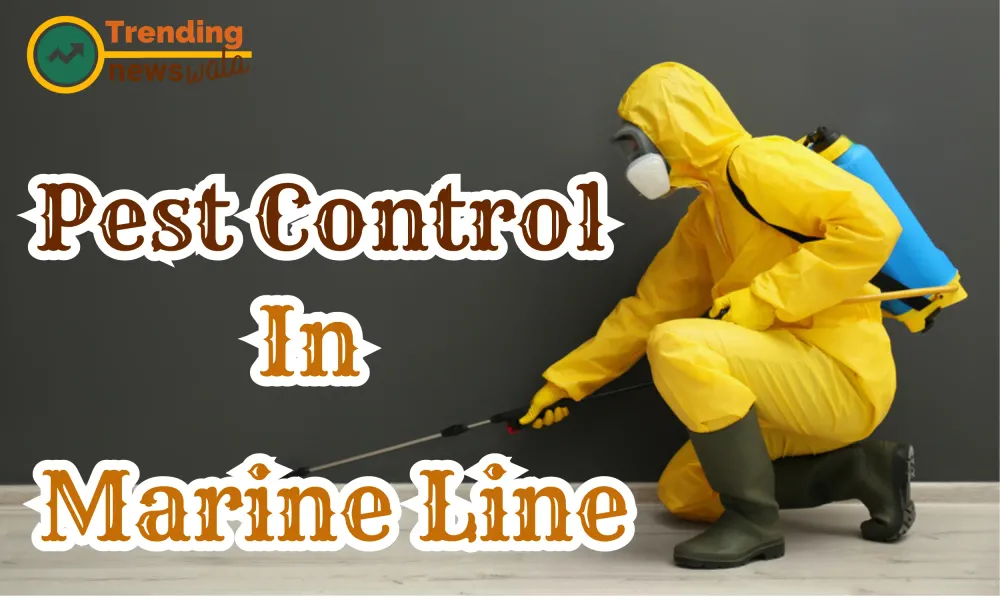
Searching for the best pest control services in Marine Lines requires clear priorities: safety, proven results, and transparent pricing. This guide explains how to compare providers, what questions to ask, and how to verify credentials so a home or business problem gets resolved efficiently and responsibly.
- Detected intent: Commercial Investigation
- Primary focus: find and vet local pest control companies for homes and businesses
- Includes: P.E.S.T. Vetting Checklist, real scenario, practical tips, and five core cluster questions
Best pest control services in Marine Lines: what to look for
Prioritize licensed technicians, clear service scopes, and a written guarantee when seeking the best pest control services in Marine Lines. Pest problems range from rodents and cockroaches to termites and bed bugs; the right provider uses an integrated pest management (IPM) approach that minimizes pesticide use and targets the source.
How to compare home and commercial offerings
Home pest control Marine Lines: practical considerations
For residences, ask about low-toxicity treatment options, child- and pet-safe scheduling, follow-up visits, and preventive advice. Confirm whether assessments are free and whether the technician inspects structural entry points.
Commercial pest control Marine Lines: what businesses should verify
Businesses must demand documentation: liability insurance, food-safety certifications (for restaurants), and a treatment log compatible with audits. Commercial contracts should include service frequency, response time for active infestations, and compliance with municipal health codes.
P.E.S.T. Vetting Checklist (framework)
Use this simple framework to evaluate providers quickly:
- Proof of license and insurance — verify local registration and liability coverage
- Experience and references — request recent local references for the pest type
- Safety and methods — ask about IPM, pesticide types, Material Safety Data Sheets (MSDS), and clearance times
- Terms and guarantees — get a written estimate, service plan, and warranty on work
Short real-world example
Scenario: A small seafood restaurant in Marine Lines discovered recurring cockroach sightings. The business used the P.E.S.T. Vetting Checklist to select a provider. The chosen company performed a site audit, sealed key entry points, replaced food-storage protocols, applied targeted bait stations, and scheduled three follow-up inspections. Results: sightings dropped to zero within three weeks and the provider gave a 90-day follow-up guarantee. This demonstrates combining sanitation, exclusion, and targeted treatments—core IPM principles.
Practical tips for hiring and ongoing prevention
- Request a written scope before work begins and confirm what is excluded from the quote.
- Insist on follow-up visits as part of the service package; single treatments rarely solve structural infestations.
- Keep a simple log of sightings, treatment dates, and technician notes to track progress.
- Ask for non-chemical options first (traps, exclusion, sanitation) and reserve pesticides for targeted use.
Common mistakes and trade-offs
Choosing the cheapest quote often means short-term fixes rather than durable solutions. Common mistakes include:
- Hiring without verifying license or insurance — this risks liability and poor workmanship.
- Accepting blanket pesticide applications without inspection — unnecessary sprays can create resistance and safety issues.
- Neglecting documentation — without a written contract, warranty claims are difficult to enforce.
Trade-offs: faster emergency treatments can rapidly reduce visible pests but may not address root causes; contracting for regular maintenance costs more upfront but prevents recurring losses and regulatory issues for commercial sites.
Regulatory and health context
Pest control intersects with public health: rodents, mosquitoes, and some insects can transmit disease. For guidance on vector-borne disease risks and control best practices, refer to authoritative health resources for recommended approaches and safety precautions: World Health Organization: Vector-borne Diseases.
Core cluster questions
- How often should pest control visits occur for homes in Marine Lines?
- What documentation should a commercial pest control contract include?
- Which pests are most common in Marine Lines and how are they treated?
- How to verify a pest control technician's license and insurance?
- What non-chemical pest prevention steps should property managers implement?
How to prepare for a technician visit
Clear access to affected areas, remove clutter, secure food and pet bowls, and note recent sightings. Take photos of entry points or droppings to share with the technician before arrival. This speeds diagnosis and reduces the chance of missed hot spots.
Warranty, follow-up, and dispute resolution
Prefer providers that offer written guarantees tied to measurable outcomes (e.g., no activity for 30/60/90 days) and a clear process for repeat treatments. For disputes, request an itemized invoice and use local consumer protection or trade bodies to mediate if needed.
Next steps
Use the P.E.S.T. Vetting Checklist to shortlist candidates, get written quotes, and compare guarantees and safety practices. For commercial sites, require service logs and certificates compatible with audits.
FAQ
Are the best pest control services in Marine Lines licensed and insured?
Yes. A reputable provider should present a valid pest control license, liability insurance, and worker coverage; verify these documents with local authorities before work begins.
How quickly will pest control work show results?
Initial reductions in visible pests can occur within days for many infestations, but complete resolution—especially for termites or bed bugs—may require multiple visits over several weeks.
What should a written pest control estimate include?
An estimate should list the scope of work, pests targeted, products used (with safety notes), treatment schedule, price breakdown, warranty period, and follow-up visit terms.
Can routine cleaning prevent most pest problems?
Improved sanitation and proper storage greatly reduce many infestations, particularly for food-related pests. However, structural issues (cracks, drains, external nesting sites) usually require professional exclusion work.
How to verify a technician's experience with a specific pest?
Request references or case examples for the pest type, ask about specific techniques used, and confirm whether the company follows integrated pest management (IPM) best practices.
Using the checklist and comparison steps in this guide will help identify qualified, responsible pest control providers in Marine Lines for both home and commercial needs. Keep records of all service visits and insist on written guarantees to protect property and public health.