Ativan vs Xanax: Costs, Availability, and How to Access Them Safely
-

- Published Updated
- 408 views

Detected intent: Informational
The comparison of Ativan vs Xanax costs matters for patients, prescribers, and caregivers deciding how to manage anxiety or short-term insomnia. This guide explains typical price ranges, how insurance and generics change out-of-pocket spending, and real-world availability differences between lorazepam (Ativan) and alprazolam (Xanax).
- Ativan vs Xanax costs vary by generic availability, dose, pharmacy, and insurance formularies.
- Both drugs are Schedule IV controlled substances, so prescribing regulations affect accessibility.
- Use the ACCESS checklist to compare price, coverage, and supply for individual situations.
Ativan vs Xanax costs: Price, insurance, and generic options
Typical cash prices for prescription lorazepam (Ativan) and alprazolam (Xanax) are driven largely by whether a generic is dispensed. Generic alprazolam and lorazepam are widely available and commonly cost less than brand-name labels when paid out of pocket. For insured patients, copays, tier placement on a formulary, prior authorization, step therapy, and pharmacy benefit manager (PBM) contracts are the main determinants of final cost.
Availability and accessibility: pharmacy stock, telemedicine, and legal rules
Availability differs by region, local pharmacy inventory, and prescribing setting. Both lorazepam and alprazolam are regulated as Schedule IV under the Controlled Substances Act; this affects refill limits, electronic prescribing requirements, and interstate telemedicine prescribing. For details on drug scheduling and regulatory context, see the DEA Drug Scheduling resource: Drug Scheduling — DEA.
How insurance and programs influence access
Xanax affordability and insurance coverage
Insurance plans place alprazolam and lorazepam on different tiers. Formularies and prior authorization rules are controlled by insurers and PBMs, which can move a medication to a higher tier or require cheaper alternatives first. Medicaid and Medicare Part D have their own formulary rules that affect copays and preferred generics.
Ativan generic price comparison
Lorazepam generic prices are often competitive, but long-acting or compounded forms can cost more. Cash prices vary by dose and quantity; a 30-day supply of a generic benzodiazepine frequently falls within the low tens to low hundreds of dollars range, depending on pharmacy discounts and local market.
ACCESS checklist: a named framework to evaluate access
Use the ACCESS checklist to compare options quickly:
- Availability — Is the drug in stock at local and online pharmacies?
- Coverage — What does the insurance formulary say (tier, copay, prior authorization)?
- Cost — Compare cash price, copay, and out-of-pocket maximum impact.
- Ease — Can a prescriber issue an electronic prescription (e-prescribe) and authorize refills?
- Safety — Consider interactions, dependence risk, and prescribing guidelines.
- Supply — How many refills and what dispensing limits apply under state and federal rules?
Real-world example
Scenario: A patient in a mid-sized city needs short-term treatment for acute anxiety. The prescriber prefers lorazepam because of a specific medical profile, but the local pharmacy is out of stock of brand Ativan. A generic lorazepam is available and the patient’s insurer lists alprazolam as a preferred generic on the formulary with a lower copay. Using the ACCESS checklist, the clinician documents a medical necessity for lorazepam, submits a prior authorization, and arranges a 7-day starter supply by phone while the PA is processed. The patient pays a modest copay for the generic, and follow-up adjusts therapy after 2 weeks.
Practical tips to lower out-of-pocket cost and improve access
- Check whether a generic is available and ask the pharmacy to dispense generic lorazepam or alprazolam instead of brand name.
- Call the insurer for formulary placement and prior authorization rules before filling; a clinician can submit medical necessity documentation if needed.
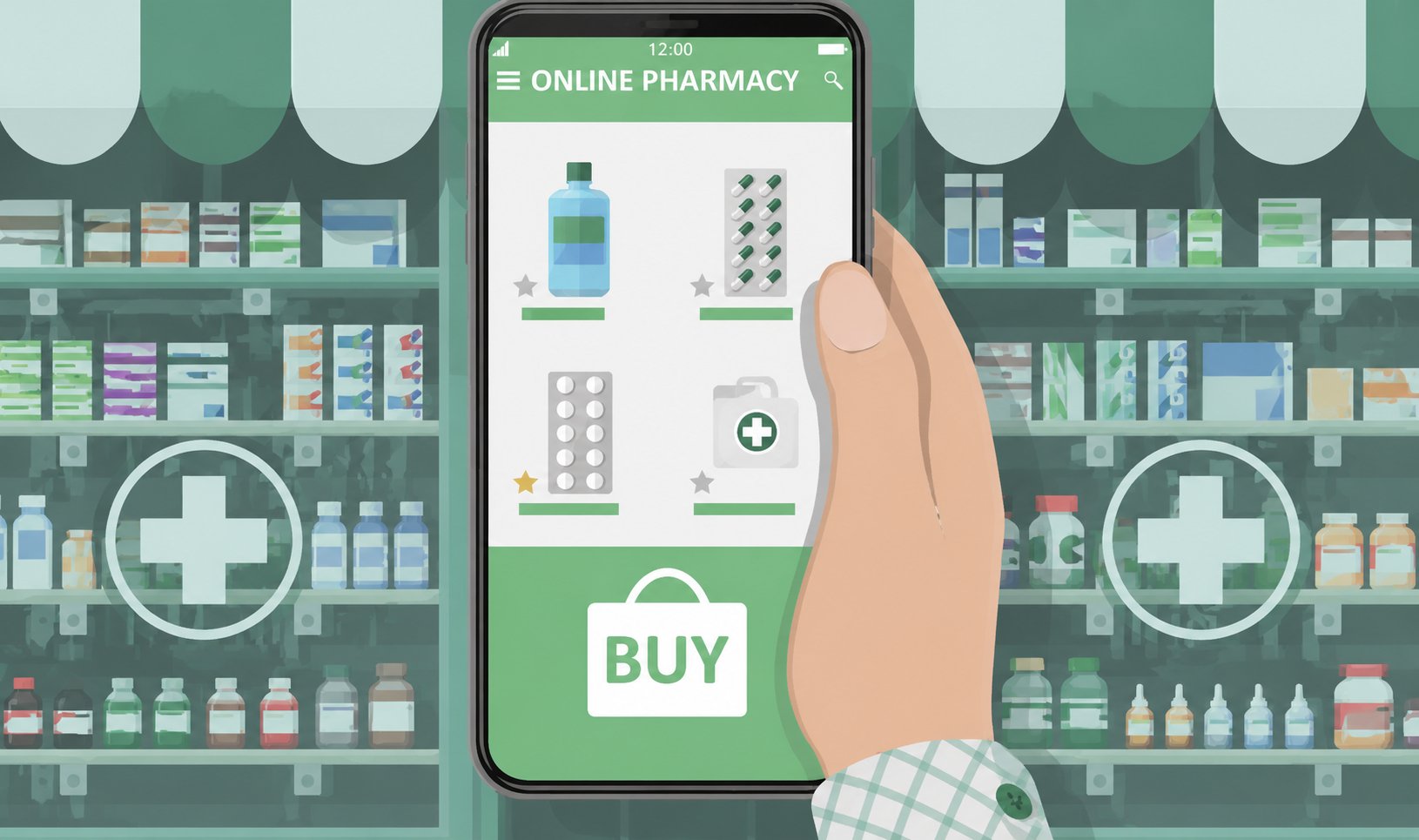
- Compare cash prices across local and online pharmacies — discount cards and bulk 90-day fills can reduce per-tablet cost.
- Ask the prescribing clinician about alternative therapies when benzodiazepine restrictions or dependence risk make access difficult.
Common mistakes when comparing Ativan and Xanax
- Assuming brand-name pricing reflects the price paid — generics often make most cost differences.
- Overlooking formulary nuances — a cheaper copay for one drug doesn’t mean it’s clinically preferred for every patient.
- Ignoring regulatory limits — refill and prescribing restrictions can make a low-cost option less practical.
Core cluster questions (for further reading or internal links)
- How do copays and formulary tiers affect benzodiazepine choice?
- What steps are needed to get a prior authorization for lorazepam or alprazolam?
- How do state prescribing laws impact telemedicine prescriptions for controlled substances?
- What are non-benzodiazepine alternatives for short-term anxiety treatment?
- How do pharmacies price generic vs brand-name prescriptions for the same active ingredient?
Regulatory and safety notes
Both medications carry risks of dependence, sedation, and interaction with opioids or alcohol. The FDA provides guidance on safe prescribing practices and label information; state medical boards and the DEA set limits on controlled substance prescribing. Always follow prescriber guidance and local regulations when seeking access to these drugs.
FAQ
How do Ativan vs Xanax costs compare?
Out-of-pocket costs depend mainly on whether a generic is dispensed and the patient’s insurance coverage. Generics for alprazolam and lorazepam are typically less expensive than brand names. Copays, prior authorization, and PBM rules shape final patient costs.
Can insurance require a cheaper alternative before approving Ativan or Xanax?
Yes. Insurers commonly use step therapy or prior authorization to require an alternate drug first. A clinician can submit documentation to request an exception for medical necessity.
Are there limits on how many refills are allowed for these drugs?
Yes. As Schedule IV controlled substances, state and federal rules may limit quantities and refills; many insurers and pharmacies also set dispensing limits to mitigate misuse.
What should be done if a local pharmacy is out of stock?
Check other pharmacies, request generic substitution, ask about delivery from a mail-order pharmacy, or coordinate with the prescriber for a temporary alternative while the desired medication is restocked.
How can costs be lowered for patients without insurance?
Compare cash prices across pharmacies, use manufacturer or pharmacy discount programs where available, opt for generics, and discuss shorter starter supplies or non-pharmacologic treatments with the prescriber when appropriate.