Real Results: Double Chin Treatments in Dubai — Before & After Guide
-
- March 14th, 2026
- 639 views
Before and After: What to Expect from double chin treatments Dubai
Searching for double chin treatments Dubai brings up clinic galleries and patient stories. This guide explains common treatment types, realistic before-and-after outcomes, recovery timelines, and how to compare options so decisions match anatomy and lifestyle.
Common treatment types and realistic outcomes
Understanding how each approach works clarifies before-and-after expectations. For many patients in Dubai, choices include non-surgical fat reduction, injectable deoxycholic acid, energy-based skin tightening, and surgical liposuction or neck lift. Related terms: submental fat, cryolipolysis, deoxycholic acid, HIFU, ultrasound therapy.
Non-surgical options (gradual improvement)
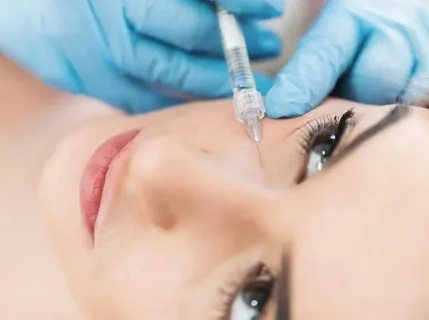
Non-surgical double chin treatments Dubai often include injectable deoxycholic acid (fat-dissolving injections), cryolipolysis (fat-freezing), and radiofrequency or HIFU skin-tightening. Typical before-and-after results are gradual: visible reduction after several weeks to months, with multiple sessions sometimes required. These are lower downtime but produce subtler change than surgery.
Surgical options (more dramatic, immediate change)
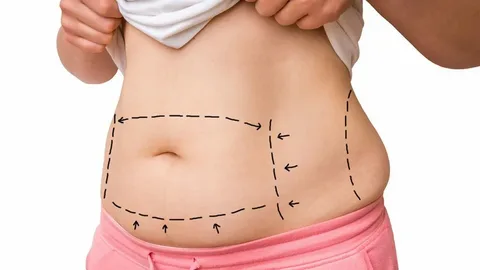
Liposuction of the submental area or a combined neck lift addresses both fat and loose skin. Before-and-after photos for surgical cases usually show more immediate contouring, with final results settling after swelling subsides (often 4–12 weeks). Surgery has higher upfront risk and recovery time but can be definitive.
How to evaluate before-and-after photos and claims
Photo galleries are valuable but require scrutiny. Check for consistent lighting, neutral head position, and disclosed timelines. Ask whether photos are of actual patients treated at the clinic and whether adjunct procedures (like skin tightening) were used alongside fat reduction.
Common mistakes when judging results
- Relying on single-session photos without timeline context.
- Ignoring skin laxity—fat reduction alone may create loose skin if laxity is significant.
- Comparing different techniques without noting patient age, weight, or anatomy.
Decision framework: the CLEAR checklist for choosing a treatment
Use the CLEAR checklist to evaluate clinics and plan treatment:
- Consultation: Confirm practitioner qualifications (plastic surgeon, dermatologist) and request tailored assessment.
- Lifestyle fit: Consider downtime, recovery, and work/social commitments.
- Expectations: Ask for timelines for visible change and long-term maintenance.
- Anatomy: Check skin laxity, fat distribution, and neck/chin structure—these determine suitability.
- Risks & results: Review side effects, complication rates, and view multiple before-and-after cases with consented timelines.
Real-world example: one patient scenario
Scenario: A 38-year-old office worker in Dubai has mild to moderate submental fullness with good skin elasticity. After a consultation, a non-surgical pathway combining two sessions of cryolipolysis and one HIFU skin-tightening session was chosen. Timeline: noticeable reduction by 8–12 weeks, with best results at 16 weeks. Outcome: improved jawline contour without surgical downtime. This example demonstrates selecting a less invasive option aligned with anatomy and lifestyle.
Practical tips for better before-and-after outcomes
- Bring recent photos and explain desired change—clear communication improves treatment planning.
- Request timeline-specific photos (pre-treatment, post-session at 4, 8, and 12 weeks).
- Verify clinician credentials and ask about complication management and follow-up policies.
- Maintain stable weight for several months before and after treatment to protect results.
Trade-offs and common mistakes when picking a treatment
Choosing between non-surgical and surgical treatments means balancing downtime, cost, risk, and expected magnitude of change.
- Trade-off: Non-surgical treatments have lower immediate risk but often require multiple sessions; surgical options have higher risk and recovery but typically deliver more dramatic contouring.
- Common mistake: Choosing a single modality without assessing skin laxity—fat removal without skin tightening can leave excess skin.
- Common mistake: Prioritizing price over practitioner experience—lower cost can mean less precise results or inadequate follow-up.
Core cluster questions to explore next
- What are the most effective non-surgical treatments for a double chin?
- How long do results last after double chin treatment?
- What is the recovery time for submental liposuction?
- How to choose between injectables and fat-freezing for submental fullness?
- When is a neck lift recommended alongside chin liposuction?
Regulatory and safety notes
Before any procedure, confirm that the chosen device or drug is approved and that practitioners follow local standards. For general guidance on non-surgical cosmetic procedures and patient safety, refer to national health resources and professional societies. For example, official health guidance provides overview and safety considerations for cosmetic procedures: NHS — Cosmetic procedures.
FAQ
How effective are double chin treatments Dubai for mild submental fullness?
Effectiveness depends on anatomy and chosen method. For mild fullness with good skin tone, non-surgical treatments (injectables, cryolipolysis, radiofrequency or ultrasound) can deliver noticeable improvement over weeks to months. A consultation helps set realistic expectations based on skin laxity and fat volume.
What is the typical recovery time after surgical treatment for a double chin?
Recovery from submental liposuction or neck lift varies but commonly includes initial swelling and bruising for 1–2 weeks and gradual improvement over 4–12 weeks. Return-to-work timelines depend on job demands and the specific procedure performed.
double chin treatments Dubai — how many sessions are usually needed?
Many non-surgical plans require 1–3 sessions spaced weeks apart. Injectables may need 1–2 sessions; cryolipolysis often requires 1–2 treatments. Surgical solutions are typically single procedures, but follow-up care is required.
Can weight loss eliminate a double chin without treatment?
Weight loss can reduce submental fat for some people, but fat distribution and genetics matter. Localized fat deposits sometimes persist despite overall weight loss. Assessment by a qualified clinician determines whether targeted intervention is needed.
What questions should be asked during the initial consultation?
Ask about the practitioner's qualifications, expected timeline for results, number of sessions needed, potential side effects, before-and-after photos with timelines, and the clinic’s follow-up and complication protocols. Use the CLEAR checklist to organize questions and compare options objectively.