How to Choose the Best Mass Gainers for Rapid Muscle Growth and Weight Gain
-

- Published Updated
- 659 views
Choosing the best mass gainers for rapid muscle growth requires comparing calorie density, protein quality, carbohydrate sources, and dosing to match a training program and calorie target. This guide explains what to look for, how to use mass gainers safely, and the trade-offs between different formulas so a reliable decision can be made.
- Goal: add a controlled calorie surplus that supports hypertrophy without excess fat gain.
- Top evaluation points: calories per serving, protein amount and type, carb sources, added creatine or fiber, sugar content, and micronutrients.
- Detected intent: Commercial Investigation
- Primary keyword: best mass gainers for rapid muscle growth
- Core cluster questions:
- How many calories should a mass gainer provide per serving for weight gain?
- What ingredients in mass gainers promote lean mass versus fat gain?
- How to combine a mass gainer with a resistance training plan?
- Are whole-food calories better than mass gainer shakes for muscle growth?
- When should creatine be added to a mass gainer regimen?
Best Mass Gainers for Rapid Muscle Growth: what categories to compare
Mass gainers fall into three practical categories: high-calorie meal-replacement shakes, moderate-calorie protein-plus-carb blends, and clean ingredient powders that prioritize whole-food sources. Each category supports rapid muscle growth differently depending on training intensity, daily calorie needs, and tolerance for sugars or lactose.
Category breakdown and trade-offs
- High-calorie mass gainers (700–1,200 kcal/serving) — best for experienced lifters or hard-gainers who need large surpluses. Trade-off: higher risk of fat gain if total calories exceed needs; often higher sugar content.
- Moderate-calorie blends (350–600 kcal/serving) — easier to fit into meal plans and adjust serving size; lower risk of unwanted fat gain. Trade-off: may require multiple servings or extra snacks to reach target surplus.
- Whole-food–based powders — use oats, milk powders, and natural seeds for calories and fiber; lower added sugars and more micronutrients. Trade-off: lower convenience and typically bulkier texture.
What to look for in a mass gainer
Key attributes include calorie-per-serving, protein quality (whey, casein, or blend), carbohydrate type (maltodextrin vs. slower-digesting carbs), added creatine or BCAAs, sugar content, and micronutrient profile. For leaner gains, prioritize moderate calories, 25–40 g of high-quality protein, complex carbs, and minimal added sugars.
Essential ingredients and why they matter
- Protein: supports muscle protein synthesis. Whey isolates and concentrates provide fast amino acids; casein supplies slow-digesting protein for overnight recovery.
- Carbohydrates: replenish glycogen and support higher training volume. Simple carbs spike insulin and can aid rapid replenishment; complex carbs provide sustained energy.
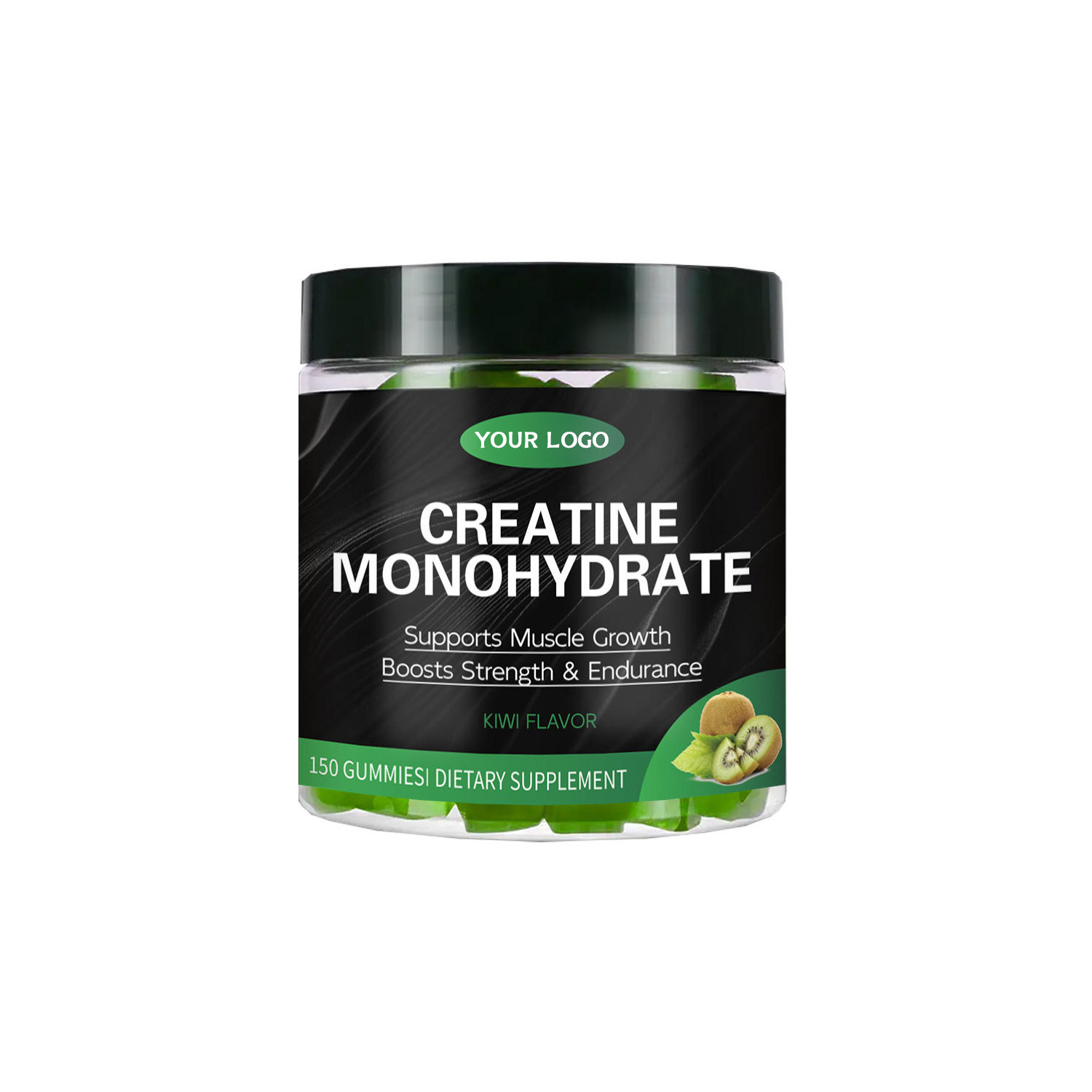
- Creatine (optional): evidence-based for strength and lean mass when combined with resistance training.
- Fats and fiber: improve calorie density and satiety but slow absorption. Too much fat in a serving can reduce post-workout glycogen resynthesis speed.
For authoritative guidance on supplement basics and nutrient roles, refer to the U.S. National Institutes of Health Office of Dietary Supplements: ods.od.nih.gov.
How to use a mass gainer effectively
Using a mass gainer should be part of a planned calorie surplus combined with progressive resistance training. One practical approach is to treat a mass gainer as a targeted calorie boost rather than a replacement for whole-food meals.
GAIN-UP checklist (named framework)
- Goals — set weekly weight and strength goals (e.g., +0.5–1.0% bodyweight/week for beginners).
- Appetite — choose serving size compatible with appetite and digestion (start small and increase).
- Intake tracking — log calories and protein to ensure a 250–500 kcal daily surplus and 1.6–2.2 g/kg protein.
- Nutrition quality — check sugar, fiber, and micronutrient content to avoid nutrient-poor calories.
- Understand timing — post-workout and between meals are common times for mass gainer use.
- Progress monitoring — adjust dose if weight gain is faster or slower than target.
Short real-world example
Scenario: A 22-year-old male, 75 kg, trains 5x/week and aims to gain 0.5 kg per week. Baseline maintenance is 3,000 kcal. The plan is a 400 kcal surplus (3,400 kcal target) with 150 g protein/day. A 500 kcal mass gainer shake after workouts plus protein-rich meals and resistance training meets the surplus. Weekly progress is checked; if weight gain exceeds 0.8 kg/week, reduce the shake to 300 kcal.
Practical tips to choose and use mass gainers
- Measure and log one week of current intake to know the exact surplus a mass gainer will add.
- Prefer formulas with 25–40 g protein per serving and lower added sugars when targeting lean mass.
- Use moderate servings immediately after workouts to take advantage of training-induced nutrient sensitivity.
- Combine mass gainers with a structured progressive overload program—calories alone won’t build significant muscle without training stimulus.
- Split servings across the day if one large serving causes digestive discomfort.
Common mistakes and trade-offs
- Over-reliance on shakes: relying solely on mass gainers can cause micronutrient gaps and excessive sugar intake.
- Too large a surplus: aiming for very rapid weight gain increases fat mass proportion and can impair insulin sensitivity.
- Poor timing: using a mass gainer at night may not be ideal for those sensitive to late calories; instead, split the serving.
- Ignoring training: heavy calorie intake without progressive resistance training leads to mainly fat gain.
How to compare labels: quick checklist
- Calories per serving vs. desired surplus
- Protein grams and source (whey isolate, concentrate, or blend)
- Carbohydrate type and sugar grams
- Presence of creatine, added fiber, or probiotics
- Micronutrient list and allergens
Core cluster questions (repeat for internal linking)
- How many calories should a mass gainer provide per serving for weight gain?
- What ingredients in mass gainers promote lean mass versus fat gain?
- How to combine a mass gainer with a resistance training plan?
- Are whole-food calories better than mass gainer shakes for muscle growth?
- When should creatine be added to a mass gainer regimen?
FAQ
What are the best mass gainers for rapid muscle growth?
The best mass gainers for rapid muscle growth are those that match a specific calorie surplus, provide 25–40 g of high-quality protein per serving, use digestible carbohydrates, and have minimal added sugars. Choose a formula based on whether a large single serving or multiple moderate servings fits daily routine and appetite.
How many servings per day are safe when using a mass gainer?
Safety depends on total daily calories and macronutrients. Start with one serving daily, track weight and body composition for two weeks, and adjust. Avoid exceeding a consistent 500–1,000 kcal surplus without monitoring body composition to prevent excessive fat gain.
Can mass gainers be used by people with lactose intolerance?
Some mass gainers are lactose-free or use plant-based proteins. For those with lactose intolerance, choose a lactose-free or plant-based formula and test tolerance with a small serving first.
Are high-sugar mass gainers effective?
High-sugar mass gainers can rapidly increase calories and glycogen replenishment, which may be useful post-workout or for extreme hard-gainers, but they increase the risk of fat gain and should be balanced with micronutrient-rich foods.
When should creatine be added to a mass gainer regimen?
Creatine can be added when the goal is strength and lean mass gains; it is well-supported by research and can be taken separately or combined into a mass gainer if the product lists an effective dose (typically 3–5 g/day).