Top Playway Schools in Panipat: How PIET Sanskriti Huda Fosters Holistic Growth
-

- March 02nd, 2026
- 352 views

Get a free topical map and start building content authority today.
Choosing playway schools in Panipat starts with understanding how play-based learning, environment, and teacher skills combine to support cognitive, social, and emotional development. This guide explains what to look for, how PIET Sanskriti Huda structures its early years program, and practical steps parents can take to evaluate options.
Detected intent: Informational
playway schools in Panipat: what parents should expect
Playway schools focus on learning through structured play, sensory experiences, and guided discovery. Expect a balance of free play, teacher-guided activities, and routines that support language, motor skills, and socialization. Look for documented early childhood curriculum Panipat schools use, teacher qualifications, child-to-staff ratios, outdoor access, and assessment methods that emphasize observations instead of high-stakes testing.
How PIET Sanskriti Huda fosters holistic growth
PIET Sanskriti Huda integrates play-based learning with thematic units, daily routines, and progressive skill goals. The school emphasizes relationships, safe exploration, language-rich environments, and a graduated approach to self-help and numeracy. Classroom layouts encourage role play, art, gross-motor activity, and quiet reading corners to support multiple learning domains.
Curriculum and learning environment
Expect a blend of sensory tables, story time, music and movement, and practical life activities. An effective playway model aligns activities with developmental milestones and national early childhood recommendations such as those found in the National Education Policy and ECCE frameworks.
Teacher training and assessment
Teachers should have training in early childhood pedagogy, child development, and classroom management for young children. Assessment is ongoing and observational, with portfolios or milestone checklists rather than formal exams.
PLAY-GROW framework: a simple checklist to evaluate preschools
Use the PLAY-GROW framework as a practical model when comparing schools.
- P — Physical space: safe indoor/outdoor areas and age-appropriate equipment
- L — Learning materials: open-ended toys, books, art supplies, sensory resources
- A — Adult interaction: warm, responsive caregivers with low child-teacher ratios
- Y — Yes to play: curriculum that prioritizes guided and free play
- G — Growth tracking: developmentally appropriate observation and reporting
- R — Routines: predictable sequences for meals, naps, and transitions
- O — Outreach: parent communication and community links
- W — Well-being: health, nutrition, and safety policies
Real-world example
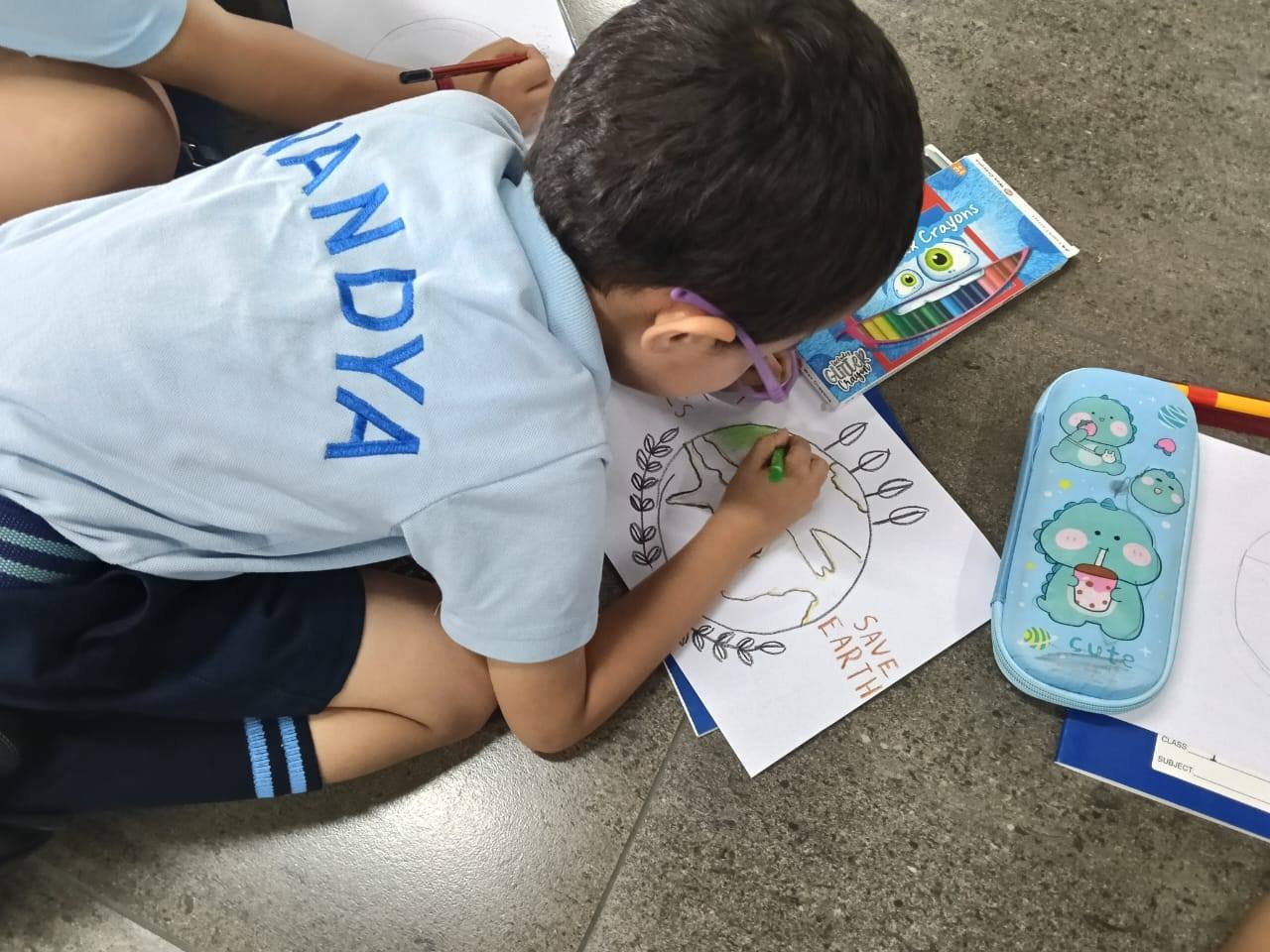
Scenario: A four-year-old arriving nervous about group activities is gradually introduced to circle time, paired play, and sensory art. After six weeks, the child began initiating sharing and spoke in short sentences during storytelling. PIET Sanskriti Huda documents this progress in a learning portfolio and shares examples with parents at regular meetings.
Practical tips for visiting playway schools in Panipat
- Observe a classroom session: watch teacher-child interactions and how conflicts are mediated.
- Check the child-to-staff ratio and ask about staff turnover and training schedules.
- Review sample weekly plans to confirm the balance between free play and guided activities.
- Ask about health, safety, and emergency procedures; request a copy of policies.
- Talk to other parents or request references about communication and reporting.
Common mistakes and trade-offs when choosing a playway school
Common mistakes include prioritizing aesthetics over pedagogy, assuming all play-based programs are equivalent, or ignoring the importance of teacher training. Trade-offs may include higher fees for lower ratios, limited academic focus in exchange for stronger social development, or less structured schedules that work well for some children and not others.
core cluster questions for related content
- What qualities make a playway school developmentally appropriate?
- How to compare teacher qualifications across early years programs?
- What assessment methods work best in play-based preschools?
- How do outdoor learning spaces affect early childhood outcomes?
- When to choose Montessori, playway, or blended early learning models?
For reference on national early childhood recommendations and curriculum alignment, consult the Ministry of Education resources on policy and guidelines (Government of India, Ministry of Education).
Practical checklist before enrollment
- Visit unannounced during a class day and observe.
- Request a sample learning portfolio or assessment report format.
- Confirm meal and health policies, including immunization and sick-child rules.
- Ask about parent engagement: meetings, workshops, or daily updates.
Admission and transition tips
Start with short visits, prepare a comfort object for transition, and maintain consistent routines at home. Ask the school about phased entry or home-school communication plans to support a smooth adjustment.
FAQ: How to choose playway schools in Panipat?
Look for teacher qualifications, low child-to-staff ratios, evidence of developmentally appropriate play, clear health and safety policies, and regular parent communication. Use the PLAY-GROW framework during visits.
Are playway schools in Panipat suitable for preparing children for formal schooling?
Playway programs build foundational skills—language, social interaction, and early numeracy—through experiential learning. Schools that document learning goals and provide a gradual introduction to structured tasks support the transition to formal schooling.
What should a parent ask during a preschool tour?
Ask about teacher qualifications, daily routines, supervision during outdoor play, sample lesson plans, injury and illness protocols, and how progress is shared with parents.
How can parents support learning started at a playway school?
Maintain predictable routines, read daily, encourage unstructured play, limit screen time, and communicate regularly with teachers about goals and concerns.
Does choosing a playway program mean academic skills will be delayed?
No. High-quality play-based programs integrate early literacy and numeracy through meaningful activities. The focus is on readiness and long-term engagement rather than early memorization.