Evidence-Based Supplements for Natural Muscle Growth: Practical Guide for Bodybuilders
-

- March 03rd, 2026
- 411 views

Get a free topical map and start building content authority today.
Choosing supplements for natural muscle growth can feel overwhelming. This guide breaks down which supplements have solid evidence, how they work, safe dosages, and how to prioritize them around training and diet. The term supplements for natural muscle growth refers to nutritional products that support muscle protein synthesis, recovery, or training performance without hormones or banned substances.
- Prioritize total daily protein and progressive overload; supplements are supportive, not primary drivers.
- Strongest evidence: protein powders (whey, casein), creatine monohydrate, vitamin D (if deficient), and omega-3s for recovery.
- Use a simple checklist (PRIME) to evaluate supplements: Protein, Research, Ingredients, Measurement, Evaluate.
- Safety: pick third-party tested products and consult healthcare professionals for medical conditions or medications.
Supplements for Natural Muscle Growth: what works and why
Supplements for natural muscle growth should be selected based on clear mechanisms and human trial results. They are most effective when combined with adequate dietary protein, calorie balance (surplus for gaining mass), and progressive resistance training. Below are the supplements with the best evidence and practical dosing.
Protein powders (whey, casein, plant blends)
Why it helps: Protein powders provide a convenient source of high-quality amino acids, particularly leucine, which triggers muscle protein synthesis. Evidence supports using protein supplementation to reach a target of ~1.6–2.2 g/kg bodyweight daily for hypertrophy in most recreational and competitive natural bodybuilders.
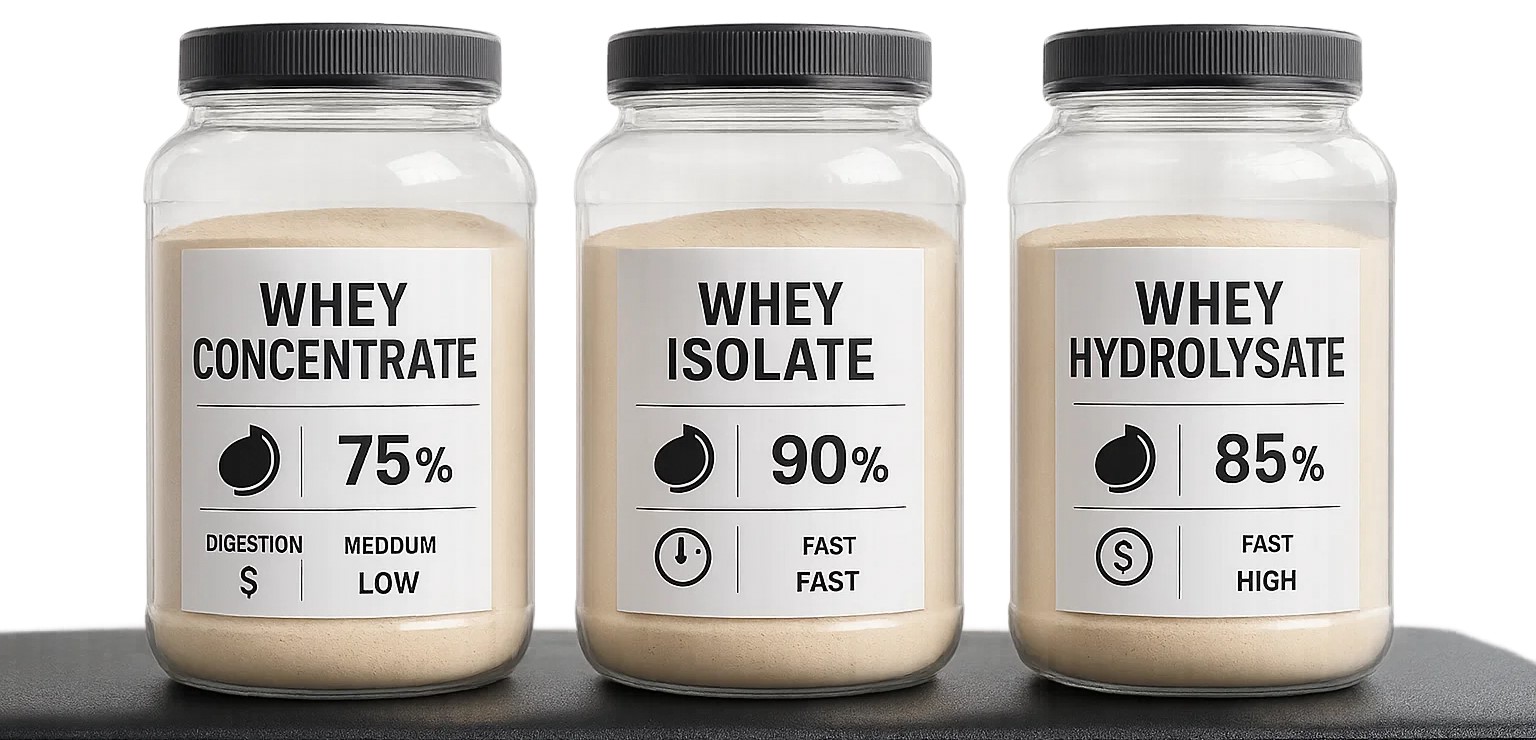
Typical dosing: 20–40 g per serving, 1–3 servings daily to meet protein targets. Whey is fast-digesting and useful post-workout; casein digests more slowly and can help overnight.
Creatine monohydrate
Why it helps: Creatine increases phosphocreatine stores in muscle, improving short-term high-intensity performance and supporting greater training volume. Long-term, creatine consistently improves lean mass and strength in natural lifters across age groups.
Typical dosing: 3–5 g daily maintenance. Optional 20 g/day loading split into 4 doses for 5–7 days speeds saturation but is not required.
Vitamin D (when deficient)
Why it helps: Vitamin D deficiency is common and can negatively affect muscle function. Supplementation restores levels and may indirectly support training quality and recovery.
Typical dosing: Test serum 25(OH)D first. Repletion often uses 1,000–4,000 IU/day depending on baseline levels; follow clinician guidance.
Omega-3 fatty acids (EPA/DHA)
Why it helps: Omega-3s have anti-inflammatory properties and some evidence suggests they can help muscle protein synthesis and recovery, particularly in older adults or during calorie restriction.
Typical dosing: 1–3 g combined EPA+DHA/day from supplements or fatty fish sources.
Beta-alanine and HMB (context-dependent)
Why they help: Beta-alanine can improve muscular endurance for repeated high-intensity efforts by raising muscle carnosine. HMB (hydroxymethylbutyrate) may help reduce muscle breakdown during novice training or calorie deficit but shows smaller effects for experienced lifters on adequate protein.
Typical dosing: Beta-alanine 3–6 g/day (can cause harmless tingling). HMB ~3 g/day if used short-term in specific scenarios.
How to prioritize supplements (PRIME checklist)
Apply a simple decision framework before buying any product: the PRIME checklist.
- P — Protein first: confirm dietary protein adequacy (1.6–2.2 g/kg/day).
- R — Research: look for randomized trials and meta-analyses supporting efficacy.
- I — Ingredients: prefer single-ingredient, well-studied forms (e.g., creatine monohydrate).
- M — Measurement: test relevant biomarkers (vitamin D, iron) when indicated.
- E — Evaluate: track performance and body composition changes for 8–12 weeks.
Real-world example
A 28-year-old natural bodybuilder weighing 80 kg aims to add 4–6 kg lean mass over 6 months. Daily targets: 160 g protein (2.0 g/kg), slight calorie surplus, progressive training program. Supplement plan using PRIME: whey protein to reach protein target (1–2 shakes/day), creatine monohydrate 5 g/day, vitamin D tested and supplemented only if deficient, omega-3 2 g/day for recovery. After 12 weeks, strength and lean mass are reassessed to decide continuation.
Safety, regulation, and testing
Supplements are not regulated like medicines. Choosing third-party tested products (e.g., NSF, Informed-Sport) reduces the risk of contamination with banned substances. For official guidance on supplement safety and ingredients, consult the Office of Dietary Supplements at the National Institutes of Health: ods.od.nih.gov.
Common mistakes and trade-offs
- Relying on supplements instead of fixing diet and training first — supplements are supportive, not primary drivers.
- Using expensive proprietary blends instead of proven single ingredients (trade-off: marketing vs. evidence).
- Ignoring baseline nutrient status — supplementing vitamin D without testing may be unnecessary or excessive.
- Overdosing stimulants or combining multiple performance products that increase heart rate — safety trade-offs exist.
Practical tips for using supplements effectively
- Audit diet first: calculate daily protein and calorie needs before adding products.
- Start with one evidence-based supplement (protein or creatine), and allow 8–12 weeks to measure impact.
- Prefer single-ingredient, clinically studied forms: creatine monohydrate, whey protein, measured omega-3s.
- Record training load and body metrics to evaluate supplement ROI; stop ineffective products.
- Check third-party testing labels and consult healthcare professionals for medical conditions or medications.
Core cluster questions
- What are the most effective supplements to support muscle protein synthesis?
- How much protein should a natural bodybuilder consume daily for hypertrophy?
- Is creatine safe and effective for natural bodybuilding?
- When should vitamin D or omega-3 supplements be considered for muscle health?
- Which supplements offer the best value for improving strength and recovery?
FAQ
Which supplements for natural muscle growth have the best evidence?
Protein powders (whey, casein, or appropriate plant blends) and creatine monohydrate have the strongest and most consistent evidence for supporting muscle growth and strength when combined with adequate training and nutrition. Vitamin D and omega-3s are beneficial when addressing deficiency or recovery needs. Beta-alanine and HMB may help in specific contexts.
How much creatine should a natural bodybuilder take?
3–5 g/day of creatine monohydrate is the common maintenance dose. An optional loading phase of ~20 g/day for 5–7 days can accelerate muscle saturation but is not required.
How should supplements for natural muscle growth be prioritized?
Prioritize daily dietary protein, calorie and training consistency, then add one evidence-based supplement (protein or creatine). Use the PRIME checklist: Protein, Research, Ingredients, Measurement, Evaluate.
Are there risks to combining multiple supplements?
Combining supplements can be safe if dosages and interactions are understood; however, combining stimulants or duplicative ingredients increases the risk of side effects. Always check labels for total dosages and consult a healthcare provider for existing conditions or medications.
How long should a supplement be tried before deciding if it works?
Allow 8–12 weeks of consistent use along with stable nutrition and training to evaluate effects on strength and body composition, except for acute performance aids where effects may appear faster.