Complete Guide to Boarding Schools in Pune: Admissions, Curriculum, and Campus Life
-

- Published Updated
- 1,320 views
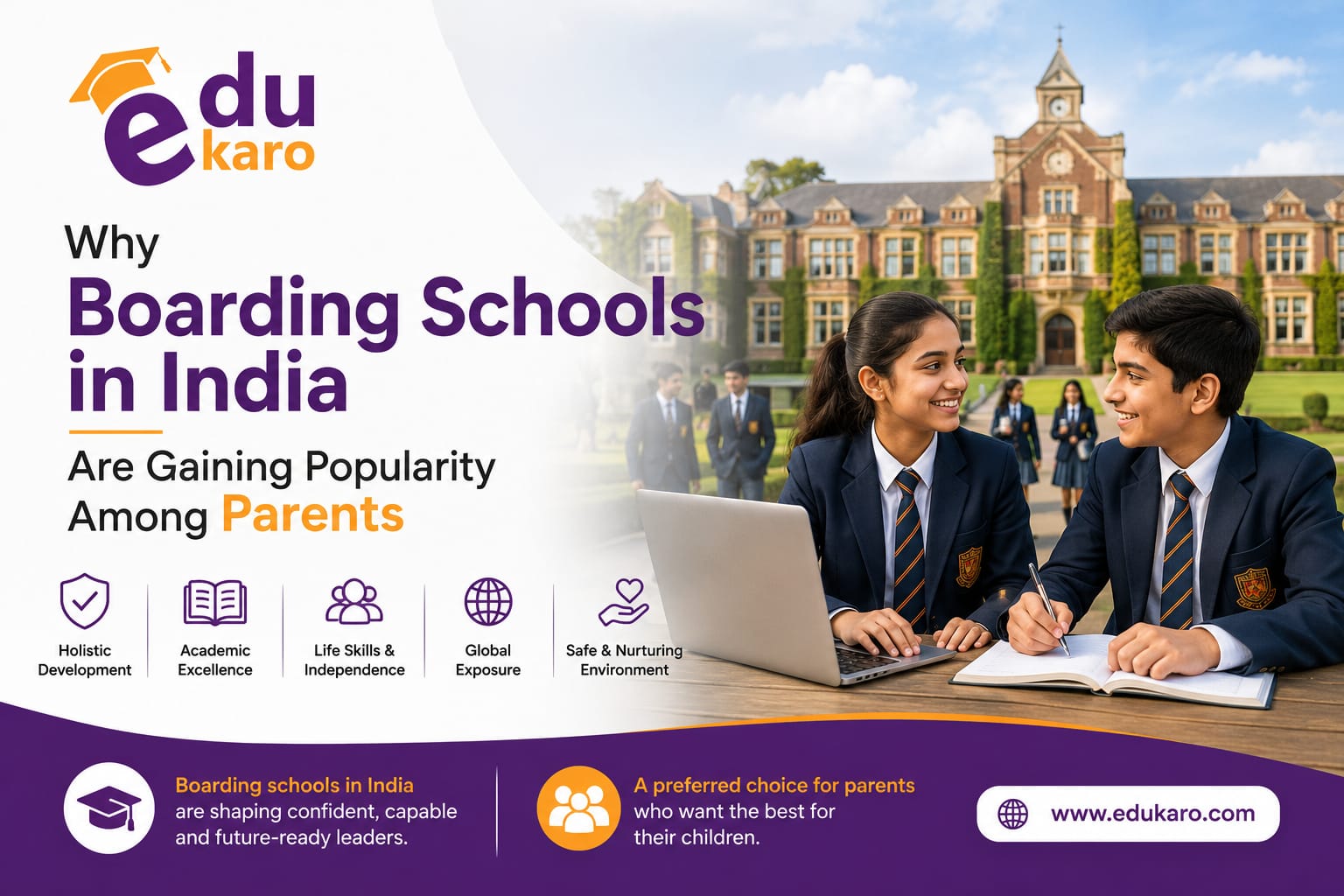
Pune has a growing selection of residential education options, and Boarding Schools in Pune attract families seeking a mix of academic rigour, extracurricular opportunities, and structured campus life. This guide outlines typical curricula, admissions steps, boarding arrangements, costs to consider, and safety and health features to review when evaluating schools.
- Curriculum options commonly include CBSE, ICSE (CISCE), IB and state boards.
- Key selection factors: academic outcomes, boarding facilities, staff-to-student ratios, and extracurricular breadth.
- Typical admissions steps: inquiry, campus visit, application, assessment, and confirmation.
- Verify health, safety, and regulatory compliance with state education authorities and child protection guidelines.
Overview of Boarding Schools in Pune
Boarding Schools in Pune range from smaller residential institutions to larger campuses offering classes from primary through senior secondary levels. Many schools enroll day scholars as well as boarders and provide separate hostels for younger and older students. Educational boards represented in the city commonly include the Central Board of Secondary Education (CBSE), the Council for the Indian School Certificate Examinations (CISCE or ICSE), International Baccalaureate (IB) programs, and the Maharashtra State Board.
Curriculum and Academic Structure
Common curricula
Curriculum choices influence pedagogy, assessment style, and subject options. CBSE emphasizes a national syllabus and standardized examinations, while ICSE typically involves a broader subject base and detailed assessments. IB programs focus on inquiry-based learning and international standards. State board curricula follow Maharashtra government guidelines and may be more regionally focused.
Academic support and assessment
Look for structured remedial support, subject tutoring, and clear reporting practices. Many boarding schools provide evening study hours, supervised homework sessions, and regular progress reviews. Accreditation and inspection reports from recognized authorities can help evaluate academic quality.
Admissions, Fees, and Financial Considerations
Admission process
Typical steps include initial inquiry, submission of documents, entry-level assessments or interviews, and a medical clearance form. Application timelines vary by school and entry year; early contact with admissions offices is advisable. Some schools require entrance tests for specific grades.
Fees and additional costs
Fee structures differ widely and often separate tuition from boarding charges, meals, uniforms, transport (if applicable), and extracurricular fees. Transparent fee schedules, refund policies, and written fee agreements are important for family planning. For official standards related to school operations and recognition, consult national education authorities such as the Ministry of Education.
Boarding Life: Housing, Meals, and Daily Routine
Hostel accommodation
Hostel arrangements typically provide dormitory-style rooms or smaller shared rooms with resident houseparents or wardens. Review rooming policies, maximum occupancy, privacy provisions, and rules on visits and communication. Hostel staff qualifications and background checks are important for student welfare.
Meals and nutrition
Boarding schools commonly serve multiple meals daily with menus designed for nutritional balance. Options for dietary restrictions (vegetarian, allergies) and food safety practices should be confirmed. Schools often have in-house kitchens subject to regular inspections.
Health, Safety, and Child Protection
Medical services and emergency care
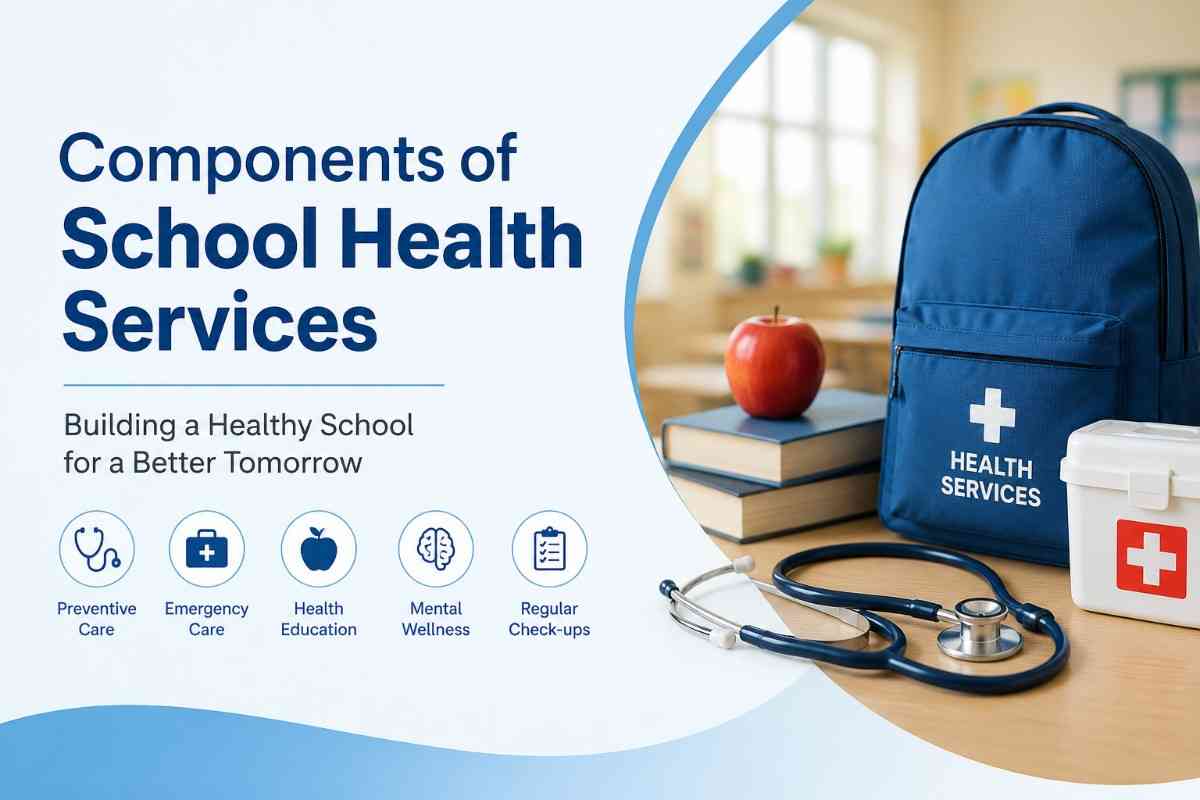
On-campus medical facilities vary from first-aid rooms and visiting physicians to full-time nurses. Emergency transfer plans to nearby hospitals and written medical consent forms are standard practice. Review immunisation requirements and protocols for illness management.
Safety and child protection
Policies on supervision, staff recruitment, background checks, anti-bullying measures, and grievance procedures are central to a safe boarding environment. Schools should align with state and national child protection norms and be able to provide documented policies and recent inspection or accreditation reports.
Extracurriculars, Sports, and Wellbeing
Activities and balance
Robust extracurricular programs—sports, arts, clubs, and community service—support holistic development. Boarding schools often schedule supervised recreational periods and structured weekend activities to balance academics and wellbeing.
Counselling and pastoral care
Mental health and counselling services are increasingly recognized as essential. Schools may offer on-campus counsellors, mentorship programs, and parental communication channels to support student adjustment to residential life.
Choosing the Right School
Factors to compare
Consider academic results, teacher qualifications, boarding staff ratios, campus facilities, distance from home, cost, alumni outcomes, and inspection/accreditation status. Campus visits, sample class observations, and conversations with current parents can clarify day-to-day experience.
Questions to ask admissions
- What is the average class size and teacher-to-student ratio?
- How are medicines and health care managed for boarders?
- What are visiting and communication policies for parents?
- Are recent inspection or accreditation reports available for review?
Location, Transport, and Local Context
Pune offers a suburban and peri-urban mix of campuses. Proximity to hospitals, airports, and family residences may matter for weekend stays, emergencies, or travel. Local climate and seasonal variations can influence campus activities and clothing needs.
References and standards
Relevant authorities include the Central and state education departments, boards such as CBSE and CISCE, and child welfare regulators. Request documentation on recognition, affiliation, and school inspection outcomes when evaluating options.
Frequently Asked Questions
What should families look for when evaluating Boarding Schools in Pune?
Key considerations are curriculum fit, academic outcomes, boarding facilities, staff qualifications, health and safety policies, extracurricular offerings, transparent fee structures, and documented accreditation or inspection records.
What curricula are available at Pune boarding schools?
Common curricula include CBSE, ICSE (CISCE), IB programs, and the Maharashtra State Board. Each has distinct approaches to assessment and subject choice; inquiry into how the school implements the chosen curriculum is recommended.
How do hostel fees compare and what extra costs should be expected?
Hostel fees vary widely. Expect additional costs for uniforms, exam fees, special activities, travel, and medical expenses. Request a detailed fee schedule and a clear explanation of what is included.
How can parents verify a school's safety and accreditation?
Ask for recent inspection reports, affiliation certificates, child protection policies, staff background check procedures, and references from current parents. Confirm recognition with relevant education boards and state authorities.