Dubai Acne Scar Treatment: Techniques, Innovations, and Practical Guide
-

- February 28th, 2026
- 807 views

FREE SEO Topical Map Generator: Find Your Next Content Ideas
Interest in Dubai acne scar treatment has grown as more clinics offer advanced lasers, combined procedures, and minimally invasive options. This guide explains the common techniques, innovations available in Dubai, and how to choose an approach based on scar type, skin tone, and downtime tolerance.
- Detected intent: Informational
- Primary focus: Dubai acne scar treatment options (lasers, microneedling, subcision, fillers, peels)
- Includes: CLEAR 5-point checklist, practical tips, trade-offs, case example, and core cluster questions
Dubai acne scar treatment: Overview of techniques and innovations
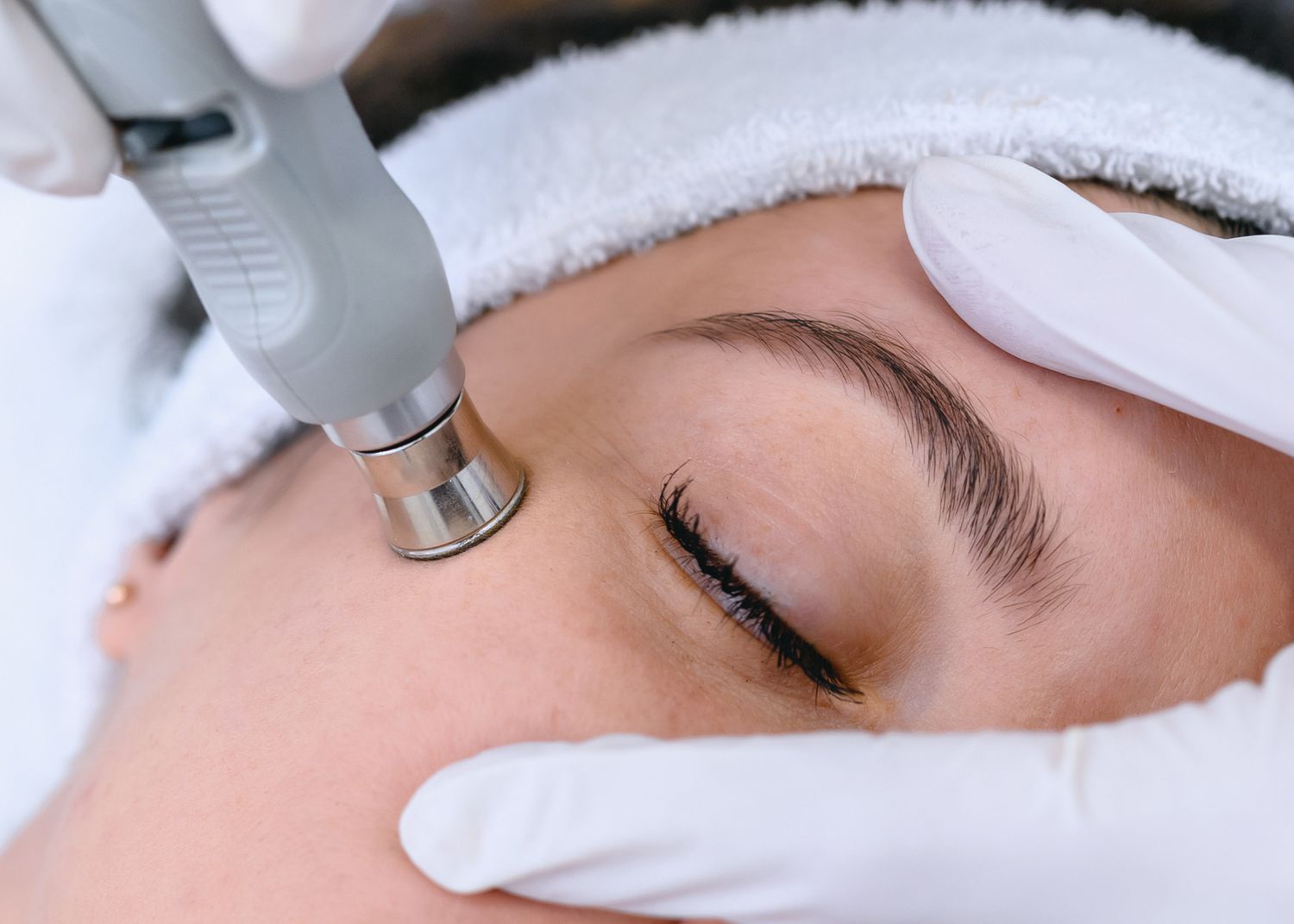
Dubai clinics frequently offer a wide range of treatments for acne scarring, from fractional CO2 and erbium lasers to microneedling combined with platelet-rich plasma (PRP), subcision, chemical peels, and injectable fillers. Innovations in device technology, image-guided systems, and multimodal combination therapy are designed to improve outcomes while reducing downtime. Understanding the match between scar type and treatment modality is the first practical step.
Types of acne scars and why that matters
Acne scars are usually classified as icepick, boxcar, rolling, or hypertrophic. Selection of an appropriate approach depends on scar morphology and skin phototype (Fitzpatrick scale). For example, icepick scars often respond better to chemical reconstruction or focal TCA CROSS, while rolling scars benefit from subcision plus fractional resurfacing. Hypertrophic scars may require steroid injections or laser targeting.
Common procedures offered in Dubai clinics
Fractional ablative lasers (CO2, erbium)
Fractional ablative lasers create microthermal zones of injury to stimulate collagen remodeling. They can significantly improve texture and depth for boxcar and rolling scars but carry higher risk of post-inflammatory hyperpigmentation for darker skin tones unless parameters are adjusted.
Non-ablative lasers and resurfacing
Non-ablative fractional lasers and picosecond devices offer collagen stimulation with less downtime. These are attractive for patients seeking gradual improvement and reduced risk of pigment change.
Microneedling and PRP
Microneedling causes controlled micro-injury to trigger repair; combining microneedling with PRP can enhance healing and collagen synthesis. This combination is frequently used for mild-to-moderate scarring and on darker skin types where aggressive lasers are riskier.
Subcision, fillers, and combination therapy
Subcision releases fibrous bands under rolling scars; dermal fillers (hyaluronic or biostimulatory) can temporarily elevate depressed areas. Combination sequences—subcision followed by laser or microneedling—often provide better results than a single modality.
Chemical peels and CROSS technique
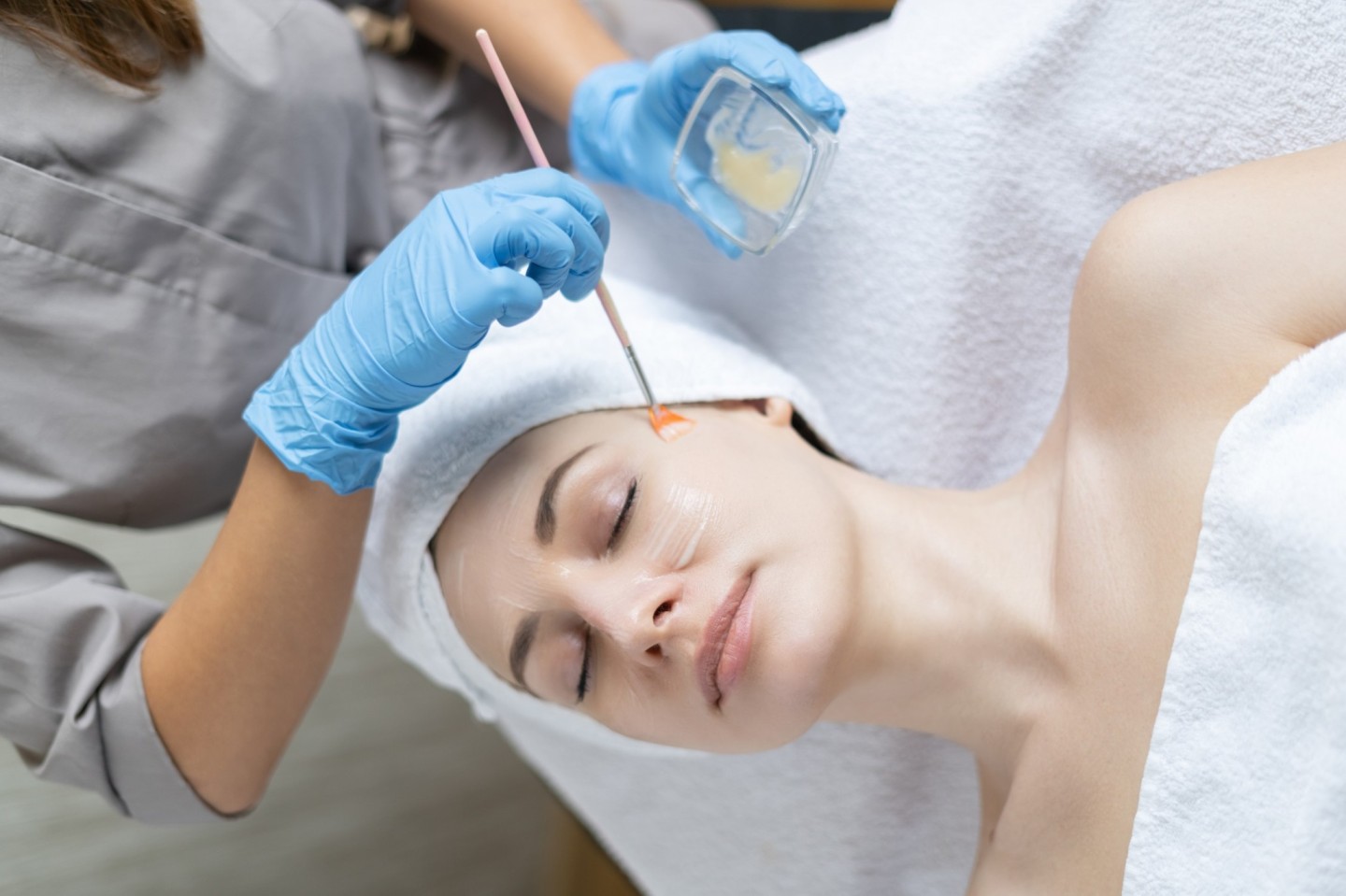
Medium-depth peels and focal trichloroacetic acid (TCA) CROSS are cost-effective options for certain scar types. Superficial peels have limited impact on deep scarring but can improve overall skin tone and texture.
Named framework: CLEAR 5-point checklist for choosing a plan
Use the CLEAR checklist to structure consultation and decision-making:
- Consultation: Document scar types, medical history, and skin phototype.
- Laser/technique selection: Match modality to scar type (e.g., subcision for rolling, TCA CROSS for icepick).
- Energy/settings: Prioritize conservative settings on darker skin to reduce PIH risk.
- Aftercare planning: Prescribe sun protection, topical regimens, and infection prevention.
- Review & repeat: Set realistic timelines and plan staged sessions (often 3–6 treatments).
Real-world example
Case: A 35-year-old patient with mixed rolling and boxcar scars and Fitzpatrick IV skin color presents for treatment in Dubai. Initial plan per CLEAR: detailed consultation and photographs, perform subcision of tethered rolling scars, then schedule three sessions of microneedling combined with PRP at 4–6 week intervals. At 12 weeks after the last session, noticeable improvement in contour and texture is observed, with strict sun avoidance and topical pigment-control measures preventing post-procedure hyperpigmentation.
Innovations and technologies to watch
Recent innovations include fractional radiofrequency microneedling with adjustable needle depth, combining picosecond lasers with fractional modalities, and image-guided energy delivery to reduce collateral damage. Many Dubai centers also offer integrative protocols that sequence devices and injectables to maximize collagen remodeling while minimizing downtime.
Practical tips for patients
- Choose a board-certified dermatologist or plastic surgeon experienced in acne scar management and comfortable treating diverse skin types.
- Request pre- and post-treatment photos of similar skin tone and scar type to set expectations.
- Start with conservative settings if skin is darker; staged escalation reduces the chance of pigment changes.
- Follow strict sun protection and topical regimens (broad-spectrum SPF, pigment control agents where indicated) to protect results.
- Plan for multiple sessions and realistic timelines—collagen remodeling takes months.
Trade-offs and common mistakes
Trade-offs
Stronger ablative treatments typically yield faster, more dramatic results but require more downtime and carry higher pigment risk. Non-ablative and minimally invasive options have lower immediate risk and shorter recovery but often need more sessions for a comparable effect.
Common mistakes
- Mismatching treatment to scar morphology (e.g., using only superficial peels on deep icepick scars).
- Skipping assessment of skin phototype and ignoring increased PIH risk on darker skin.
- Expecting complete eradication—realistic goals are meaningful improvement, not perfection.
Regulatory and safety notes
Technology and practice standards are guided by professional dermatology bodies. For evidence-based patient guidance on acne and scarring, the American Academy of Dermatology provides clinical resources and public information on treatment options (American Academy of Dermatology). Clinics in Dubai should follow local licensing and device regulations and provide informed consent detailing risks and expected outcomes.
Core cluster questions
- Which acne scar treatment works best for rolling scars?
- How does microneedling with PRP compare to fractional laser for acne scars?
- What are the risks of laser resurfacing for darker skin tones?
- How many sessions are typically needed for visible improvement in acne scarring?
- When is subcision indicated versus fillers for depressed acne scars?
Cost, downtime, and expectations
Costs vary by clinic, device, and procedure complexity. Conservative budgeting should include multiple sessions and possible maintenance. Downtime ranges from a few days for non-ablative or microneedling procedures to 1–2 weeks for aggressive ablative treatments. Realistic expectations and clear communication with the treating clinician reduce dissatisfaction.
FAQ: How effective is Dubai acne scar treatment for deep scarring?
Effectiveness depends on scar type and chosen modality. Deep icepick scars often require focal chemical reconstruction (TCA CROSS) or punch excision for meaningful improvement, while rolling and boxcar scars respond well to subcision combined with fractional resurfacing. Multiple staged treatments usually produce the best results.
How many sessions are needed to see results from acne scar lasers?
Most patients require 3–6 sessions spaced 4–8 weeks apart for non-ablative lasers, while ablative lasers may produce larger single-session improvements but often still benefit from follow-up treatments. Collagen remodeling continues for months after treatment.
Can microneedling with PRP be safer for darker skin?
Microneedling with PRP is generally lower risk for post-inflammatory hyperpigmentation than aggressive ablative lasers, making it a common choice for darker skin types. Proper technique and aftercare remain essential.
Are fillers a permanent solution for acne scars?
Most fillers are temporary (months to a few years) and may require repeat treatments. Biostimulatory fillers can induce longer-term collagen production but still involve trade-offs and potential risks that should be discussed during consultation.
What should be done to reduce the risk of pigmentation after treatment?
Pre- and post-procedure pigment control (topical agents like hydroquinone alternatives where appropriate), strict sun protection, and conservative device settings reduce post-inflammatory hyperpigmentation risk. Follow-up and rapid treatment of early pigment changes help preserve outcomes.