Regular Dental Checkups for Kids: A Practical Guide to Building Lifelong Oral Health
-

- April 29th, 2026
- 226 views

Get a free topical map and start building content authority today.
Detected intent: Informational
Establishing regular dental checkups for kids is one of the most effective ways to prevent cavities, detect early problems, and normalize healthy oral routines. Starting visits early and keeping a consistent children's dental visits schedule improves outcomes and reduces anxiety around the dentist over time.
- Begin dental visits by the first birthday or within six months of the first tooth.
- Regular dental checkups for kids typically occur every 3–12 months based on risk.
- Focus areas: cavity prevention, fluoride use, sealants, growth monitoring, and habit counseling.
- Use the CHECKS checklist to plan visits and habits at home.
Why regular dental checkups for kids matter
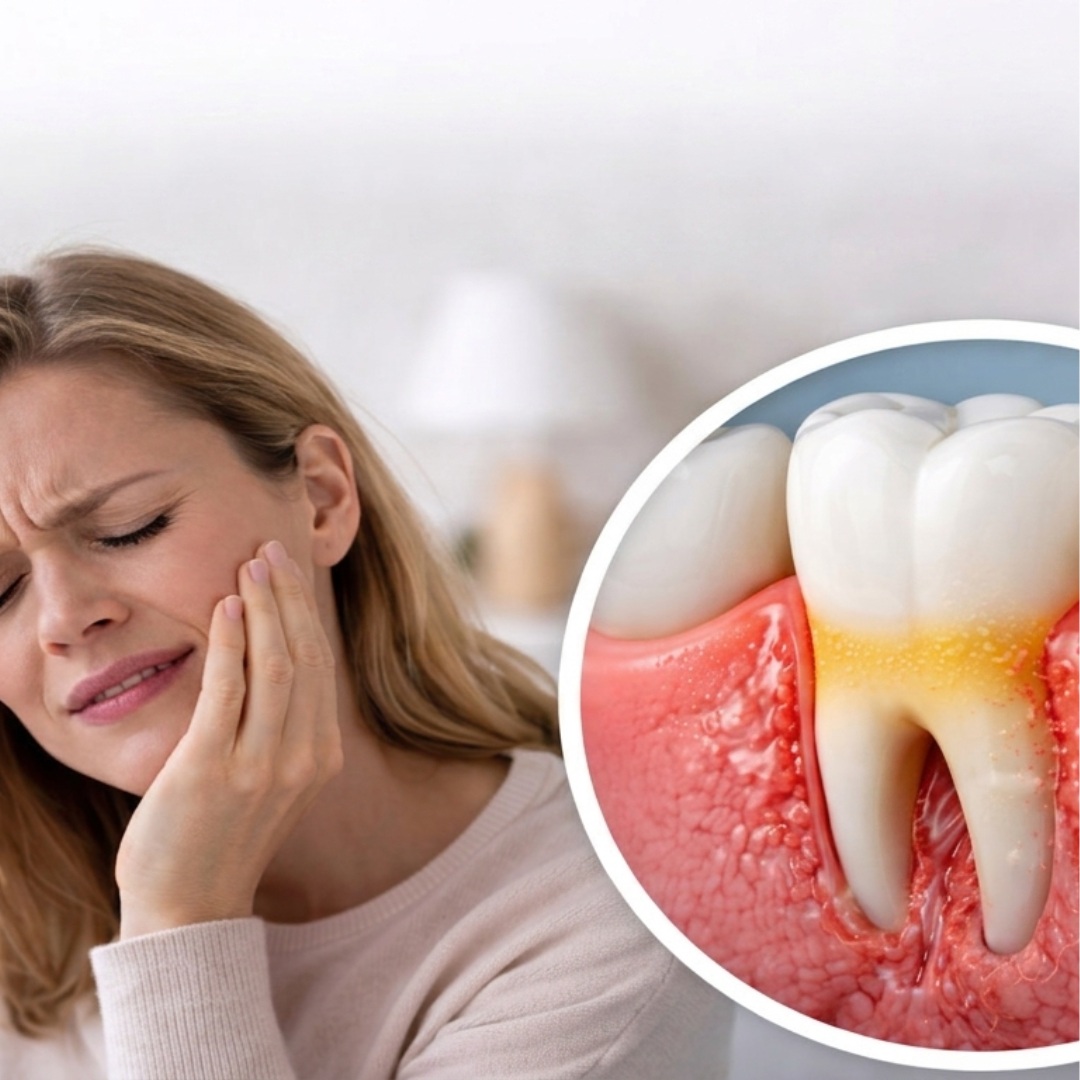
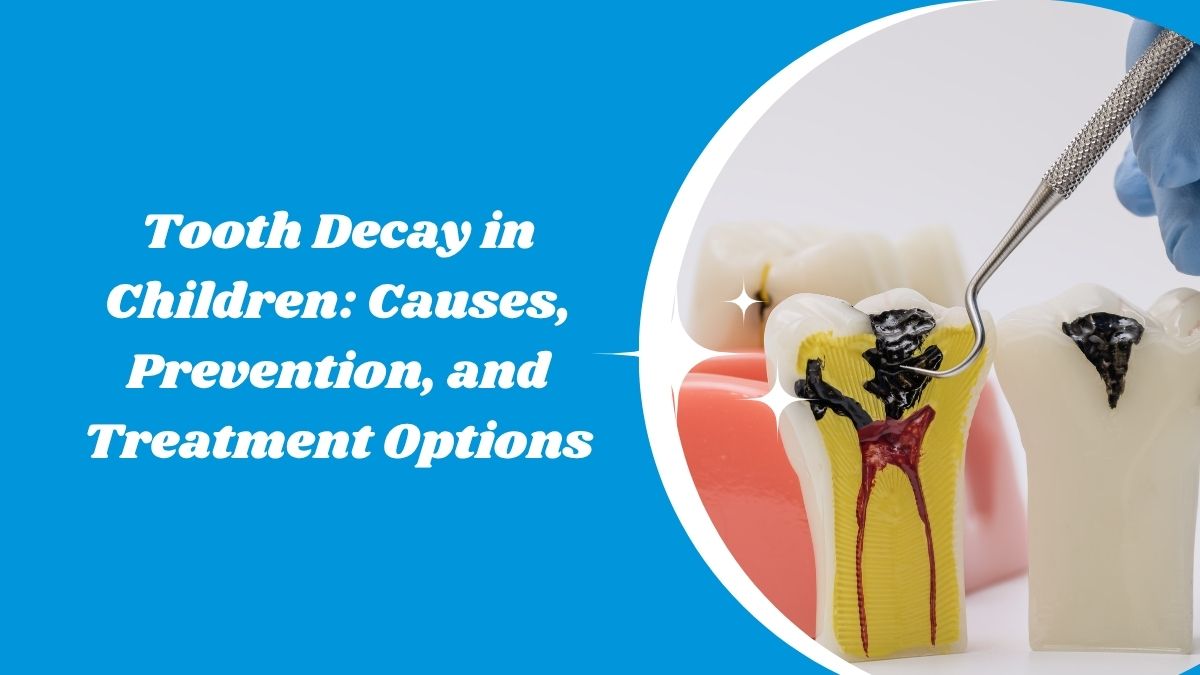
Regular dental checkups for kids are not only about cleaning teeth; they are preventive health visits that identify risk factors, provide fluoride or sealants when appropriate, and deliver caregiver education. Public health organizations such as the American Academy of Pediatric Dentistry (AAPD) and the Centers for Disease Control and Prevention (CDC) recommend initiating dental care early to reduce childhood tooth decay, the most common chronic disease in children. For an overview of children's oral-health recommendations, see the CDC guidance: CDC Children's Oral Health.
When to start and the children's dental visits schedule
Begin a child’s dental care by the first birthday or within six months after the first tooth appears. After that, frequency depends on individual risk: low-risk children typically do well with visits every 6–12 months, while children with active cavities, poor oral hygiene, or special health needs may require visits every 3–4 months. Having a predictable children's dental visits schedule helps families plan and treat oral health as part of routine preventive care.
What happens during a pediatric dental visit
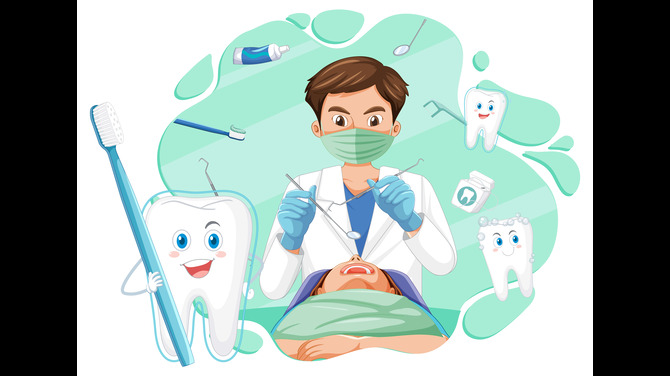
Visits for young children typically include a gentle oral exam, cleaning or polishing (when appropriate), fluoride varnish application, growth and bite screening, and counseling on diet and brushing habits. For older children, the dentist may recommend sealants on permanent molars to reduce decay risk. X-rays are used selectively to check for hidden decay or developing problems. Preventive pediatric dental care focuses on early detection and practical interventions that reduce the need for restorative treatment later.
CHECKS checklist: A simple framework for visits and home routines
The CHECKS checklist is a small framework clinics and caregivers can use to make each checkup and day-to-day care effective:
- Clean: Confirm brushing twice daily with a fluoride toothpaste suited to the child's age.
- Habits: Address thumb-sucking, pacifier use, and bedtime bottle/sippy-cup practices that affect teeth.
- Early visits: Ensure the first dental visit by one year and schedule follow-ups based on risk.
- Care plan: Create a simple recall interval and preventive plan (fluoride, sealants, diet changes).
- Knowledge: Educate caregivers about sugar exposure, medication-related dry mouth, and injury prevention.
- Support: Coordinate with primary care, schools, or community programs when access is limited.
Real-world example: A typical early-childhood plan
Scenario: A 9-month-old has two erupted teeth. The caregiver schedules the first dental visit by the child’s first birthday. At the visit, the clinician performs an exam, demonstrates brushing on a model, and discusses reducing nighttime bottles with sugary liquids. The next appointment is set for 6 months later. At age 6, when the first permanent molars erupt, the dentist recommends sealants and continues risk-based visits every 6 months. This sequence prevents early decay and builds a predictable routine.
Practical tips for caregivers
- Make dental visits routine: Pair checkups with other regular health visits to reduce scheduling friction.
- Focus on low-sugar habits: Limit juice and sugary snacks; offer water between meals to protect enamel.
- Use age-appropriate fluoride: Follow professional guidance for fluoride toothpaste quantity and professional varnish.
- Practice positive language: Describe the dentist as a helper and practice using a toothbrush at home to reduce anxiety.
- Keep records: Maintain vaccination and dental visit dates, and share medical history with the dental team.
Common mistakes and trade-offs to consider
Trade-offs and common errors often involve balancing frequency with resources:
- Waiting too long: Delaying the first visit increases the risk of undetected decay and missed prevention opportunities.
- Overusing x-rays: Routine x-rays are unnecessary for low-risk children; use them based on clinical findings and guidelines.
- Focusing only on cleanings: Cleanings are useful, but counseling, fluoride, and behavior guidance are equally important.
- One-size-fits-all recall intervals: A standard 6-month schedule is common, but personalized risk-based intervals improve care efficiency.
Core cluster questions (for related content and internal linking)
- When should a child have their first dental visit and why?
- How often should children get fluoride varnish and sealants?
- What dietary changes most reduce the risk of childhood cavities?
- How to choose a pediatric dentist and what questions to ask?
- Signs that a child needs an earlier dental appointment than scheduled.
How often are regular dental checkups for kids recommended?
Recommendation depends on risk. For children with low decay risk, checkups every 6–12 months are typical; for higher-risk children, visits every 3–4 months may be advised. Dentists use clinical criteria, eruption patterns, and family history to set an individualized recall schedule.
What age should the first dental visit occur?
The first dental visit should occur by the child's first birthday or within six months of the first tooth eruption. Early visits focus on education, risk assessment, and simple preventive measures rather than complex procedures.
Are fluoride treatments safe for children?
Topical fluoride treatments (varnish) applied by dental professionals are safe and effective at reducing decay when used according to guidelines. Caregivers should follow age-specific toothpaste dosing and professional advice to avoid excessive ingestion.
What if a child is anxious about the dentist?
Use gradual exposure: read books about dental visits, play 'dentist' at home, and choose a pediatric-trained provider when possible. Positive reinforcement and brief, honest explanations reduce fear. Ask the dental team about behavior guidance techniques they use.
How can preventive pediatric dental care be supported at home?
Daily brushing with the correct fluoride amount, limiting sugary drinks and snacks, supervising brushing until the child can manage effectively, and keeping scheduled dental visits are the cornerstones of at-home preventive pediatric dental care.
References: Recommendations and epidemiology are informed by guidance from professional organizations such as the American Academy of Pediatric Dentistry (AAPD) and public health resources like the CDC.