Chemical Peels for Rosacea: Safe Options, Risks, and Practical Guidance
-

- March 17th, 2026
- 290 views

Get a free topical map and start building content authority today.
Intent: Informational
Chemical peels for rosacea are a common question for people seeking faster improvement in persistent redness, texture, or bumps. This guide explains how peels work on rosacea-prone skin, which peel types are typically safer, when to avoid treatment, and how to plan a low-risk approach with a qualified clinician.
- Chemical peels can sometimes help certain rosacea symptoms (e.g., texture and inflammatory lesions) but are not a cure for chronic vascular redness.
- Superficial, low-concentration peels (e.g., mandelic, lactic) are usually better tolerated than aggressive peels in rosacea-prone skin.
- Always use a targeted safety checklist (see PEEL-SAFE) and consult a dermatologist or experienced medical aesthetician first.
Chemical peels for rosacea: effectiveness and safety
Many patients and clinicians explore chemical exfoliation to address papules, pustules, and rough skin associated with rosacea. The primary goal of a peel in rosacea is to reduce inflammatory lesions and improve skin texture while minimizing irritation that could flare erythema or telangiectasia. Evidence supports cautious use of superficial peels for select patients, but deep or medium peels carry higher risk for prolonged inflammation and pigment changes, especially in sensitive or darker skin types.
How chemical peels work and common peel types
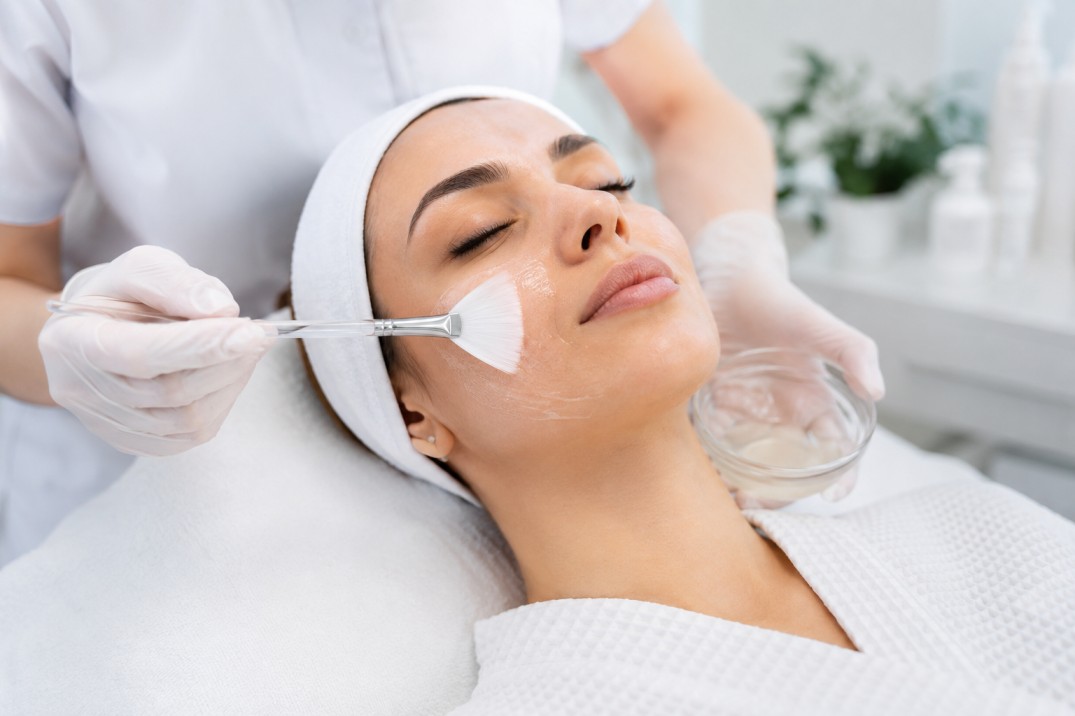
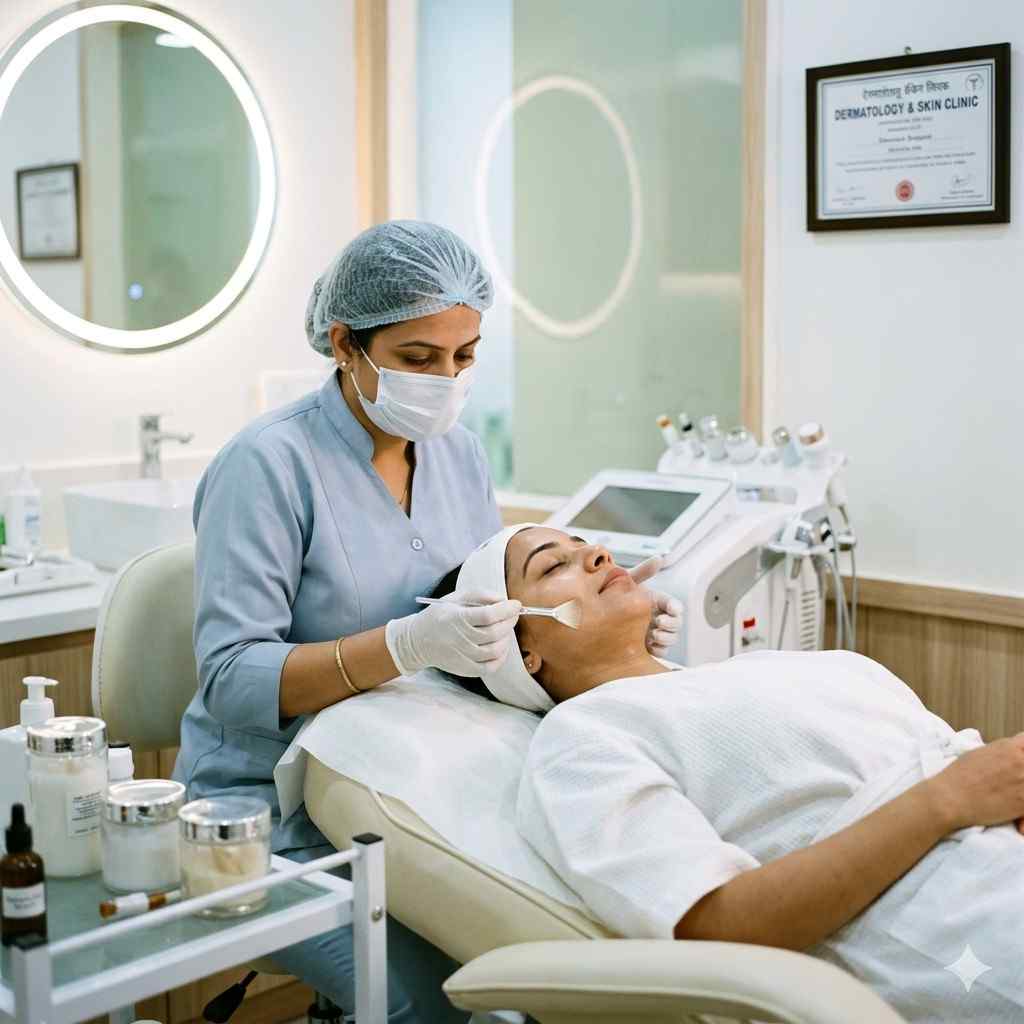
Chemical peels remove layers of dead skin and can reduce obstruction of follicles and inflammatory buildup. Common peel agents include alpha hydroxy acids (glycolic, lactic), beta hydroxy acids (salicylic acid), mandelic acid, Jessner solutions, and trichloroacetic acid (TCA). For rosacea-prone skin, the focus is often on mild, hydrating, anti-inflammatory agents like mandelic acid and lactic acid rather than aggressive glycolic or high-strength TCA.
Relevant terms and related treatments
- Rosacea subtypes: erythematotelangiectatic, papulopustular, phymatous, and ocular.
- Adjunctive options: topical azelaic acid, metronidazole, oral doxycycline, laser or IPL for persistent vascular redness.
- Keywords: rosacea skin peel safety, best peel for sensitive rosacea, chemical exfoliation rosacea.
Who is a candidate and who should avoid peels
Good candidates: patients with papulopustular rosacea seeking improved texture who have stable baseline disease and are under dermatologic care. Avoid peels in active severe flares, those using isotretinoin in the past 6–12 months, patients with poorly controlled autoimmune conditions, or anyone with a recent history of keloid formation or significant post-inflammatory hyperpigmentation.
When to consult a specialist
Consult a dermatologist or certified medical aesthetician before any peel. Official dermatology sources, such as the American Academy of Dermatology, provide clinical guidance on rosacea management and when procedural treatments are appropriate. American Academy of Dermatology — Rosacea
PEEL-SAFE checklist (named framework)
Use the PEEL-SAFE checklist before scheduling a peel:
- P — Pre-treatment evaluation: confirm subtype, medications, recent isotretinoin.
- E — Evidence match: choose peel type with data or clinical experience for rosacea (e.g., mandelic, lactic).
- E — Expectation setting: discuss likely outcomes and limitations for vascular redness.
- L — Low concentration: start low and test a small area.
- S — Sun protection plan: enforce daily SPF and post-procedure avoidance of peak sun.
- A — Aftercare protocol: anti-inflammatory cleansers, barrier repair moisturizers, avoid retinoids until cleared.
- F — Follow-up scheduling: check response and signs of irritation or infection.
- E — Emergency plan: know when to return for adverse reactions (marked swelling, infection).
Practical tips for a safer treatment path
- Patch test: request a small-area test to observe irritation over 48–72 hours before a full-face peel.
- Start mild: opt for low-strength mandelic or lactic acid peels and avoid deep TCA unless under strict dermatologic supervision.
- Coordinate medications: pause or adjust sensitizing topicals (high-strength retinoids, hydroxy acids) per clinician guidance before and after a peel.
- Prioritize barrier repair: use ceramide- or niacinamide-containing moisturizers post-peel to reduce transepidermal water loss and irritation.
Trade-offs and common mistakes
Trade-offs: superficial peels have lower risk but produce subtler results; aggressive peels may reduce thickened tissue but can provoke lasting redness or pigment changes. Common mistakes include skipping a patch test, using peels during an active flare, and failing to coordinate with prescription rosacea treatments. Over-treating with frequent peels or combining peels with laser without staged planning raises complication risk.
Short real-world example
A 42-year-old with papulopustular rosacea and prior benzoyl peroxide sensitivity underwent a single, low-concentration mandelic acid peel after dermatologic clearance and a negative patch test. Lesion count decreased modestly over four weeks, and skin texture improved without increased flushing. Post-procedure care emphasized gentle cleansers, SPF 50, and a barrier moisturizer; no further peels were scheduled until inflammation remained controlled for three months.
Core cluster questions
- Are chemical peels safe for rosacea-prone skin?
- Which chemical peels are best for sensitive rosacea?
- How to prepare rosacea skin before a chemical peel?
- What follow-up care prevents rosacea flares after a peel?
- When should lasers be preferred over chemical peels for rosacea?
FAQ
Are chemical peels for rosacea recommended?
Chemical peels can be recommended in select cases—typically superficial peels under clinical supervision. They may improve inflammatory lesions and texture but are not a primary treatment for persistent vascular redness. Discuss risks, benefits, and alternative therapies with a dermatologist.
Which peel is safest for rosacea skin?
Mandelic acid and low-strength lactic acid peels are often better tolerated because of lower penetration and anti-inflammatory properties. Salicylic acid may help inflammatory lesions but can be drying; caution is required.
How long to wait between peels if rosacea is present?
Intervals depend on depth and skin response. For superficial peels, wait at least 4–6 weeks and ensure no active flare. For medium or deeper peels, longer recovery and specialist guidance are required.
Can peels worsen rosacea permanently?
Aggressive peels or poor aftercare can cause prolonged inflammation, pigment changes, or worsened flushing. Proper candidate selection and the PEEL-SAFE process reduce but do not eliminate these risks.
Who should perform the peel?
Procedures should be performed or directly supervised by a licensed dermatologist or experienced medical professional trained in treating rosacea-prone skin.