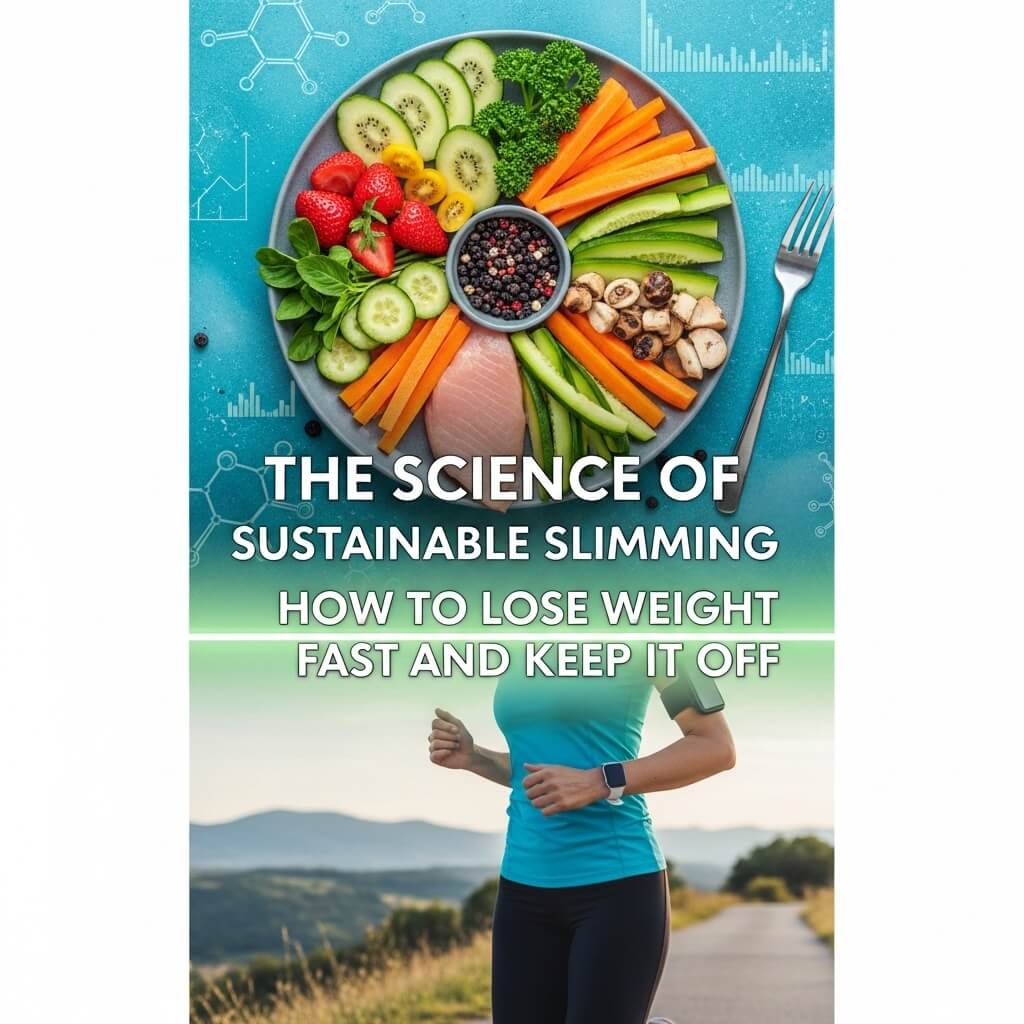
How to Lose Weight Fast Through Dieting Alone: A Safe, Practical Plan
-

- March 07th, 2026
- 199 views
Many people wonder whether it is possible to lose weight fast through dieting alone. This guide explains how dieting-only weight loss works, the realistic rates to expect, and a practical checklist for designing a calorie-deficit plan that reduces fat while protecting health and lean mass. It also compares rapid versus sustainable approaches and highlights common mistakes to avoid.
Detected intent: Informational
Short answer: Yes, weight can be lost quickly through diet alone for many people by creating a calorie deficit, but rapid loss often includes water and lean mass and is harder to sustain. Aim for evidence-based rates and prioritize nutrition quality and monitoring. See the SCALE checklist and sample scenario below.
Can You Lose Weight Fast Through Dieting Alone?
People looking to lose weight fast through dieting alone usually aim for a large calorie deficit and quick results. A diet-focused strategy relies on reducing total calories (calorie deficit meal plan) and often adjusting macronutrients, but outcomes depend on starting weight, metabolic rate, adherence, and body composition. Rapid weight loss is possible, but research and public health guidance recommend measured targets. For official best-practice guidance on healthy weight loss rates, consult the CDC guidance.
How Diet-Only Weight Loss Works
At its core, fat loss requires a sustained calorie deficit: energy burned exceeds energy consumed. Key concepts include basal metabolic rate (BMR), total daily energy expenditure (TDEE), and the role of macronutrients. Restricting calories produces weight loss, but the composition of that loss—fat versus water versus lean mass—depends on deficit size, protein intake, and resistance activity (which can be minimal in a dieting-only approach).
Rapid weight loss vs sustainable loss
- Rapid weight loss: Often defined as more than 1–2% body weight per week. Includes substantial water and glycogen loss early on.
- Sustainable loss: Typically 0.5–1% body weight per week (roughly 1–2 pounds per week for many adults). Easier to maintain long term and better for preserving lean mass.
SCALE Checklist: A Diet-First Framework
A simple, memorable checklist helps plan dieting-focused weight loss. The SCALE checklist provides practical steps:
- Set realistic goals: Define target weight and timeline that align with evidence-based rates.
- Calculate calorie needs: Estimate BMR and TDEE to determine a sensible deficit.
- Adjust macronutrients: Prioritize adequate protein and fiber to protect lean mass and satiety.
- Log intake and monitor progress: Track food, weight, and measurements weekly.
- Evaluate and adjust: Reassess every 2–4 weeks and modify calories as weight changes.
Practical Example: A Real-World Scenario
Scenario: A 35-year-old person at 170 lb (77 kg) and 5'6" wants to lose 20 lb (~9 kg) in about 3 months. Rapid approaches might target a 1,000 kcal daily deficit to hit that timeline, but that is aggressive and increases risk of muscle loss and nutrient shortfalls. A safer plan uses a 500–750 kcal deficit producing about 1–1.5 lb per week, reaching the goal in 13–20 weeks. This approach preserves more lean mass when paired with sufficient protein (~25–30 g per meal) and basic resistance work if possible.
Practical Tips for Diet-Only Weight Loss
- Calculate a realistic calorie goal using a TDEE estimate, then subtract 500 kcal for a moderate deficit.
- Keep protein relatively high (roughly 1.2–1.6 g/kg body weight) to protect muscle during weight loss.
- Prioritize whole foods and fiber-rich vegetables to improve satiety on fewer calories.
- Schedule weekly weigh-ins and take body measurements or photos to track changes beyond the scale.
- Plan for refeeding/reverse dieting phases to reduce metabolic adaptation after significant weight loss.
Common Mistakes and Trade-offs
When choosing diet-only weight loss, several trade-offs and common mistakes occur:
- Too large a deficit: Faster short-term weight loss that often includes water and muscle, leading to lower metabolism and rebound weight gain.
- Neglecting protein and micronutrients: Inadequate protein accelerates lean mass loss; inadequate vitamins and minerals create health risks.
- Ignoring strength maintenance: No resistance activity increases odds of losing muscle; even light resistance helps preserve lean mass.
- Overemphasis on rapid results: Psychological burnout and lower adherence are common with overly restrictive plans.
Trade-offs
Faster dieting-only plans can produce quick motivation from early scale changes but risk sustainability and metabolic adaptation. A moderate, structured diet plan reduces these risks but takes longer. The best approach balances speed and preservation of health and muscle.
Core Cluster Questions
- How large of a calorie deficit is safe for rapid weight loss?
- What role does protein play in weight loss without exercise?
- How much of initial rapid weight loss is water weight?
- When should a person add resistance training to a diet-focused plan?
- How to refeed safely after a period of dieting-only weight loss?
When to Seek Professional Guidance
Consult a registered dietitian, physician, or certified specialist when there are medical conditions, large weight-loss goals, or plans for very rapid loss. Professionals can assess metabolic health, recommend lab work, and tailor a plan to minimize nutrient gaps and muscular loss. Official organizations like the CDC and national health services provide baseline guidance on safe weight-loss rates and health screening.
Common Questions (FAQ)
Can you lose weight fast through dieting alone?
Yes, dieting alone can produce fast weight loss, especially early on, but rapid loss often includes water and lean mass and may be harder to sustain. Aim for evidence-based caloric reductions and monitor nutrition quality.
How fast is healthy weight loss?
Healthy weight loss commonly recommended by public health guidance is about 0.5–1% of body weight per week (roughly 1–2 lb per week for many adults). Faster rates are possible but come with trade-offs.
Will muscle be lost without exercise on a diet?
Yes, some muscle loss is likely without resistance activity, especially with very large calorie deficits. Increasing protein intake and performing resistance exercises reduces this risk.
What is a realistic short-term goal?
Short-term goals should be specific, measurable, and attainable—e.g., a 5–10% body weight reduction over 8–12 weeks using a moderate calorie deficit and adequate protein.
How to prevent rebound after fast dieting?
Prevent rebound by slowing the rate of weight loss after the initial phase, reintroducing calories gradually, and focusing on eating habits that are sustainable long term. Regular monitoring and small maintenance phases help stabilize weight.
Additional resources
For authoritative, evidence-based information on healthy weight loss rates and safety, see the CDC's resources on losing weight: CDC guidance.