Cape Town Tattoo Culture: Practical Guide to History, Trends and Local Artists
-

- Published Updated
- 583 views
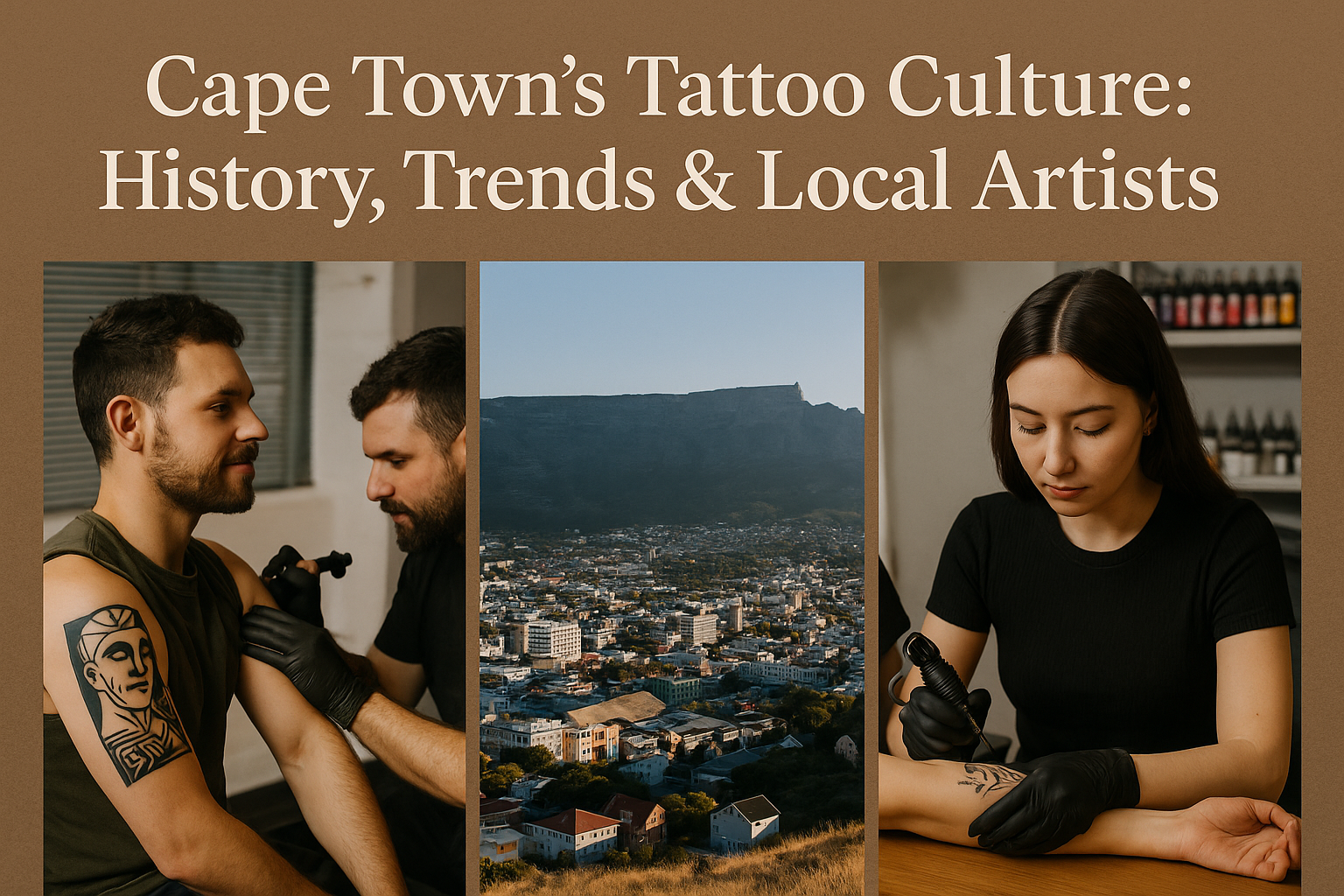
Cape Town tattoo culture blends deep local histories, contemporary aesthetics, and a thriving community of professional artists and studios. This guide explains the origins, the trends shaping the scene today, how to vet local shops and artists, and the safety and regulatory context visitors and residents should know.
Quick view: Cape Town tattoo culture is rooted in indigenous marks, colonial-era influences, and modern global styles. Tattooing in the city is studio-driven, with an emphasis on sanitation, custom work, and diverse styles from fine-line to traditional blackwork.
Detected intent: Informational
Core cluster questions:
- How did tattooing develop in South Africa and Cape Town specifically?
- What are the most popular tattoo styles and trends in Cape Town?
- How to choose a reputable Cape Town tattoo artist or studio?
- What are the health and safety standards for tattoos in Cape Town?
- How much should a custom tattoo cost in Cape Town?
Cape Town tattoo culture: history and today
Historical roots and cultural context
Tattooing in the Cape region predates modern studios, with body marking practices historically used by indigenous Khoisan communities and later influenced by colonial encounters and trade. Over time, those traditions mixed with new techniques, symbolism and access to tattooing equipment. The modern Cape Town scene is shaped by that layered past plus globalized trends brought by travel, social media, and international guest artists.
Key influences and local styles
Local artists often blend several influences: tribal motifs and symbols, maritime and port-town imagery, fine-line portraiture, neo-traditional color work, and minimalist blackwork. Cape Town's creative community also frequently uses tattooing as a medium for cultural storytelling and commemoration, resulting in distinctive hybrid aesthetics.
Popular trends and what to expect
Contemporary trends
Recent years have seen growth in microrealism, botanical fine-line work, cover-ups and scar-revision tattoos, and custom flash that references Cape Town landmarks or local flora and fauna. Social networks help spread niche approaches—such as single-needle fine-line tattoos and geometric dotwork—while maintaining demand for classic sailor-style and blackwork pieces.
What distinguishes local trends
Artists in Cape Town often prioritize storytelling and local references: designs that reference Table Mountain, local plant species like fynbos, or cultural motifs that resonate with the community. Collaboration between tattooists and local designers or galleries is common, pushing boundaries between tattooing and fine art.
Finding and vetting Cape Town tattoo artists
How to choose an artist
Research portfolios, check for consistent line work and healed-photo examples, and confirm studio sanitation protocols. Word-of-mouth and community reviews matter—many artists maintain public booking processes and transparent pricing. For specialized styles, prioritize portfolios with multiple examples of similar work.
Common mistakes when choosing an artist (trade-offs)
Rushing a booking to get a lower price can risk poor technique or hygiene. Commissioning a tattoo from an artist outside their specialty will likely yield weaker results. Conversely, insisting on a highly sought artist can result in long waits and higher costs; weigh timing and skill level against budget and urgency.
Safety, regulations, and best practices
Health standards and legal context
Tattoo studios in Cape Town operate under municipal health regulations and national public health guidelines. Proper sterilization, single-use needles, and documented aftercare instructions are standard expectations. For general infection control and injection safety guidance that supports best practices in hygiene and cross-contamination prevention, refer to World Health Organization resources (WHO injection safety).
Studio checklist: the CAPE Tattoo Checklist
The CAPE Tattoo Checklist is a quick framework to evaluate studios before booking:
- Cleanliness: visible hygiene, sealed needles, autoclave records.
- Ask to see healed work and portfolios; check consistency.
- Permit & documentation: studio registration, consent forms, health disclosures.
- Expectation & aftercare: clear pricing, session estimates, written aftercare guidance.
Booking, pricing and a short scenario
Real-world example
Scenario: A person wants a medium chest piece featuring Table Mountain silhouette and local flora. After researching, the person narrows the search to two artists—one specializes in bold traditional work, the other in fine-line botanical pieces. Using the CAPE Checklist, the person confirms sanitation, views healed botanical portfolios, checks pricing (hourly vs. flat rate), and schedules a consultation. The final choice favors the fine-line artist because the portfolio and healed photos match the required style.
Pricing notes
Expect pricing models by the hour or per-piece. Simple micro tattoos are affordable; larger custom pieces or cover-ups are more expensive. Always ask about deposit rules and cancellation policies to avoid surprises.
Practical tips for getting a tattoo in Cape Town
- Book a consultation first: confirm style, placement, session length, and quotes.
- Bring ID and any medical history relevant to healing (e.g., keloid tendency, medications).
- Check for recent healed photos: healed results reveal artist consistency better than fresh work only.
- Follow written aftercare exactly: clean, avoid sun, use recommended ointments or products.
- Ask about sterilization: autoclave use, single-use needles, and disposable ink caps are standard best practices.
Common mistakes to avoid
What often goes wrong
- Choosing solely on price—cheap can mean inexperienced or unsafe.
- Booking without checking healed work—fresh tattoos hide line issues that show up after healing.
- Ignoring aftercare—poor aftercare raises risk of infection or fading.
- Assuming all artists are available for walk-ins—many operate by appointment only.
Local community and where to learn more
Cape Town's tattoo community is active in local events, guest-artist exchanges, and collaborative projects that connect tattooing with galleries, design schools, and cultural festivals. For regulations and public health guidance, refer to municipal health statements and national health departments alongside international best-practice sources.
FAQ: Practical questions about Cape Town tattoo culture
What is Cape Town tattoo culture and where did it come from?
Cape Town tattoo culture combines indigenous marking traditions, colonial-era influences, and modern global tattoo styles. The scene is defined by studio professionalism, diverse stylistic approaches, and a local emphasis on storytelling and place-based imagery.
How can someone find reputable Cape Town tattoo artists?
Search portfolios, confirm sterilization practices, read local reviews, and use the CAPE Tattoo Checklist to evaluate cleanliness, artist portfolios, permits, and aftercare clarity. Consultations help confirm style fit and pricing.
What are the current tattoo trends in Cape Town?
Popular trends include microrealism, fine-line botanical work, neo-traditional color, blackwork, and cover-ups that repurpose old tattoos. Local themes often reference Table Mountain, fynbos, and Cape maritime culture.
Are tattoo studios in Cape Town safe and regulated?
Studios are subject to health regulations and are expected to follow infection-control standards. Confirm single-use needles, autoclave sterilization, and written aftercare. For broader guidance on injection safety and infection control, see the WHO injection safety resources here.
How much should a custom tattoo cost in Cape Town?
Costs vary widely: small tattoos may be priced by design, while larger custom pieces often use hourly rates. Expect higher prices for specialized artists or complex custom work. Ask for a written estimate and understand deposit and cancellation terms.