Transport and Recovery Services: A Practical Guide for Drivers Facing Breakdowns
-
- May 04th, 2026
- 317 views
Transport and Recovery Services: What to expect when a vehicle breaks down
When a vehicle fails on the road, knowing how transport and recovery services operate turns a stressful interruption into a manageable situation. This guide explains what these services do, how they differ from roadside assistance, and how to prepare so a tow or recovery goes smoothly.
- Transport and recovery services remove, secure, and move disabled vehicles from danger zones to repair shops or safe locations.
- Services include on-scene stabilization, flatbed towing, winch-outs, and specialist recovery for off-road or overturned vehicles.
- Use the RECOVER checklist to communicate clearly and speed up resolution.
Detected intent: Informational
How transport and recovery services work
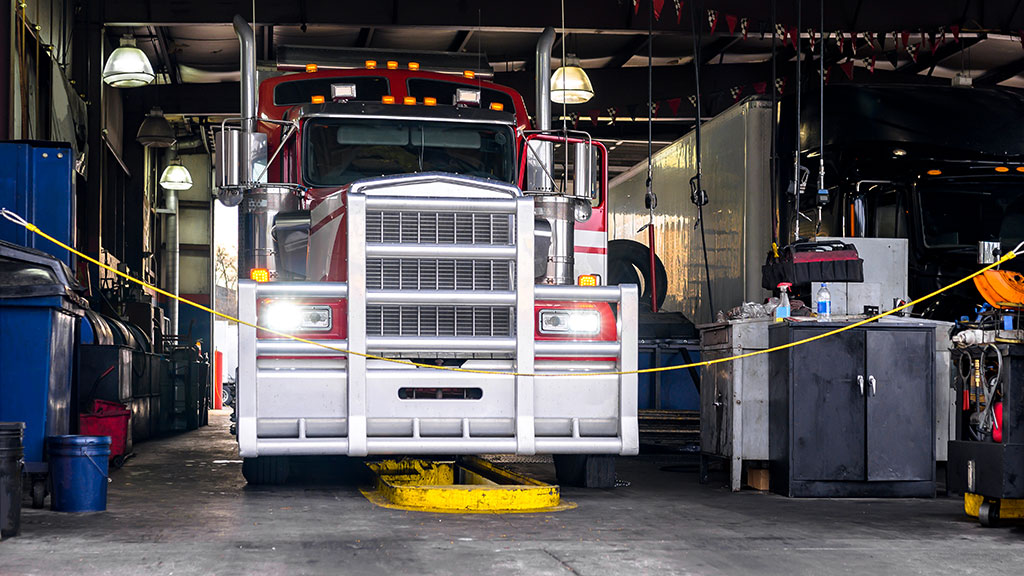
Transport and recovery services provide the equipment and expertise to remove a disabled vehicle from the roadside, a ditch, or a remote location and move it to a secure destination. Their scope ranges from simple towing to complex recoveries that require winches, cranes, or flatbeds. Technicians assess safety, protect the vehicle, and choose the least-damaging method for transport.
Common service types
- Roadside stabilization: securing a hazardous scene, setting parking brakes, or using chocks and reflective markers.
- Flatbed towing and vehicle transport after breakdown: ideal for all-wheel-drive, low-clearance, or heavily damaged vehicles.
- Winch-outs and off-road recovery: extracting vehicles from ditches, mud, or snow using recovery straps and winches.
- Accident recovery and scene clearance: coordinated work with emergency services when required.
How roadside vehicle recovery differs from basic roadside assistance
Roadside assistance often covers minor fixes—battery jumps, tire changes, or fuel delivery—while roadside vehicle recovery handles movement when the vehicle cannot be repaired on-site. Recovery requires specialized rigs and trained operators who understand vehicle structure, load limits, and safe rigging practices.
RECOVER checklist for a faster, safer service call
A named checklist makes communication quicker and reduces misunderstandings. Use the RECOVER checklist when calling a provider or reporting the situation to emergency services.
- Report location: provide mile markers, GPS coordinates, or a clear description of landmarks.
- Evaluate hazards: note traffic flow, fire risk, leaking fluids, or oncoming weather.
- Choose destination: state preferred repair shop, storage yard, or neighbor's address for delivery.
- Overview vehicle condition: running/not running, visible damage, vehicle weight class (car/SUV/van), and whether the vehicle is operable.
- Verify occupants: confirm everyone is safe and whether medical attention is needed.
- Estimate accessibility: describe whether the vehicle is on pavement, gravel, in a ditch, or off-road.
- Respond to provider questions: confirm authorization and, if relevant, insurance or membership details.
Real-world example
A family on a highway trip noticed a grinding noise and smoke from the front wheel. After safely pulling over using the breakdown lane, the driver followed the RECOVER checklist: reported the exact mile marker, confirmed no injuries, and asked for vehicle transport after breakdown to the nearest authorized service center. A flatbed arrived, loaded the vehicle to avoid further damage to the transmission, and delivered it to a repair shop. Clear communication reduced wait time and prevented an improper tow that could have caused additional damage.
Practical tips for using transport and recovery services
- Have location tools ready: a smartphone with GPS coordinates or a highway marker photo speeds response time.
- Take photos of visible damage and the vehicle identification number (VIN) if safe to do so; these help with insurance and tow authorization.
- Keep documentation accessible: insurance policy number, roadside assistance membership, and emergency contacts.
- Ask the operator about the tow method (flatbed vs. wheel-lift) and whether additional charges apply for winch work or extended distance transport.
Trade-offs and common mistakes
Choosing the cheapest option can risk improper recovery technique. A wheel-lift is faster and often cheaper but may damage a low-clearance or all-wheel-drive vehicle. A flatbed is safer for many modern cars but can cost more. Common mistakes include failing to turn off the vehicle's alarm system before towing, not removing personal belongings, and not confirming who pays for storage if the vehicle is held at an impound or tow yard.
For safety best practices—like pulling completely off the road and using hazard lights—refer to official guidance from vehicle safety authorities such as the National Highway Traffic Safety Administration (NHTSA vehicle safety guidance).
How to choose a provider
Look for licensed operators and technicians with recovery training. Verify vehicle recovery insurance and ask whether the operator carries appropriate equipment for the scenario (flatbed, heavy-duty wrecker, winch). If a company is recommended by an insurer or a roadside assistance program, confirm any billing arrangements before authorizing work.
Core cluster questions
- When is a flatbed tow necessary instead of a wheel-lift?
- How much does it typically cost to recover a vehicle from a ditch?
- What should be documented for an insurance claim after a tow?
- How long does a recovery dispatch usually take on highways versus rural roads?
- Which safety steps should occupants take while waiting for a tow truck?
Final notes
Transport and recovery services are essential when a vehicle cannot be safely driven away. Preparation, clear communication using the RECOVER checklist, and understanding the trade-offs between tow methods will reduce costs, protect the vehicle, and improve safety for everyone involved.
What are transport and recovery services?
Transport and recovery services remove and move disabled vehicles from unsafe or inaccessible locations to repair shops, storage facilities, or other designated destinations. Services range from on-scene stabilization and short-distance towing to complex recoveries that use winches and heavy equipment.
How long does it take for a recovery vehicle to arrive?
Response time depends on location, traffic, daylight, and operator availability. Urban areas often see faster dispatches; rural or off-road recoveries may take longer. Providing precise GPS coordinates and clear access notes helps reduce arrival time.
How much does vehicle transport after breakdown usually cost?
Costs vary widely: short, local tows are generally inexpensive, while long-distance transport, winch-outs, or specialist recovery add to the price. Ask for an estimate before authorizing work, and verify whether insurance or roadside assistance covers fees.
Can a tow or recovery cause more damage to a vehicle?
Poor rigging or the wrong tow method can cause damage. Inform the operator about driveline type (FWD/RWD/AWD), aftermarket suspension, or a limiting factor like a locked steering wheel. Request a flatbed for vehicles where wheel-lift towing might cause harm.
Should insurance or roadside assistance be contacted first?
Contact whichever provider offers the quickest, most suitable response. If a roadside assistance membership covers towing and storage, contact them first to potentially reduce out-of-pocket costs. Otherwise, request service from a reputable local recovery operator and keep receipts for possible reimbursement.