Safe Skin Lightening: Celebrity Skincare Strategies for Lighter, Even-Toned Skin
-

- March 22nd, 2026
- 783 views
Many searchers look for celebrity guidance on achieving a lighter, even-toned complexion. This practical guide focuses on safe skin lightening techniques that top makeup artists and dermatologists endorse and that reduce risk when followed properly.
Detected intent: Informational
Safe Skin Lightening: What Celebrities Do
Many celebrities achieve lighter, more even skin tone by combining targeted topical ingredients, professional procedures, and strict sun protection. The phrase safe skin lightening describes methods that prioritize skin health—avoiding harsh or unregulated chemicals, high-risk DIY procedures, and steroid misuse.
How professionals frame the goal
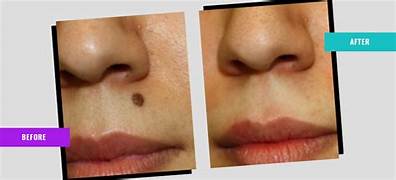
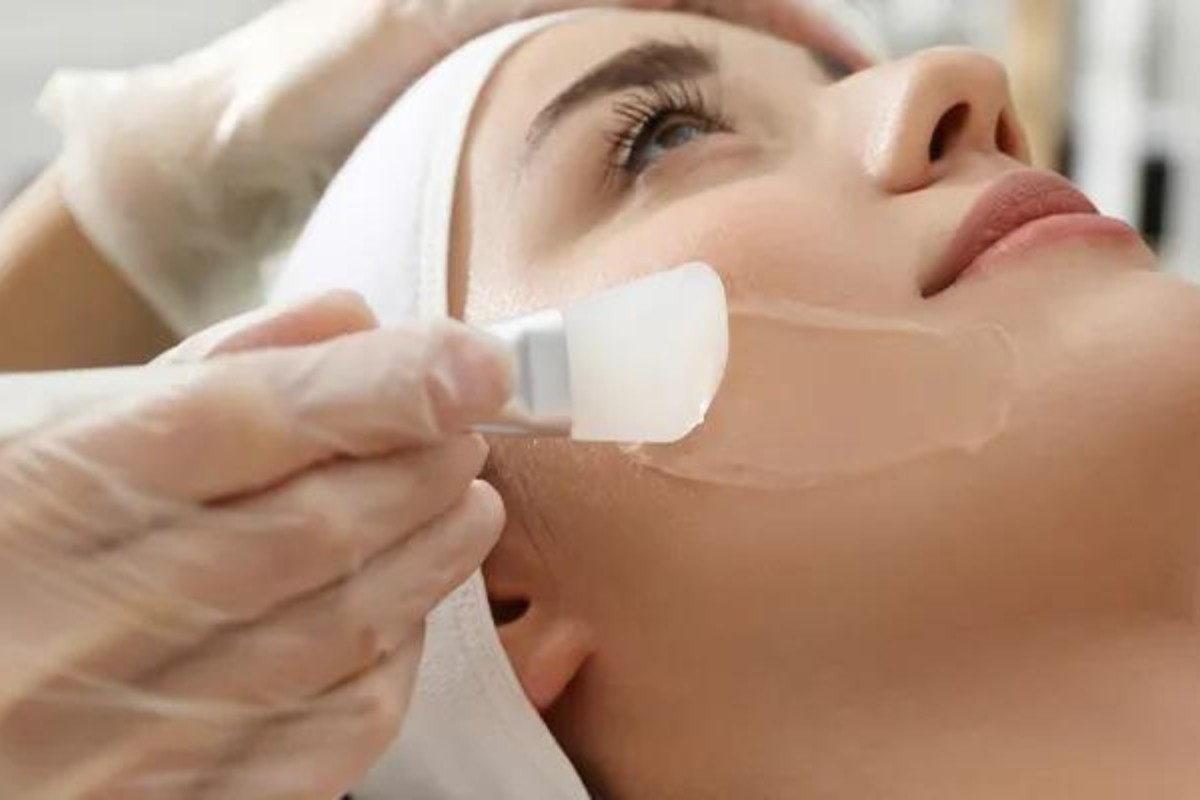
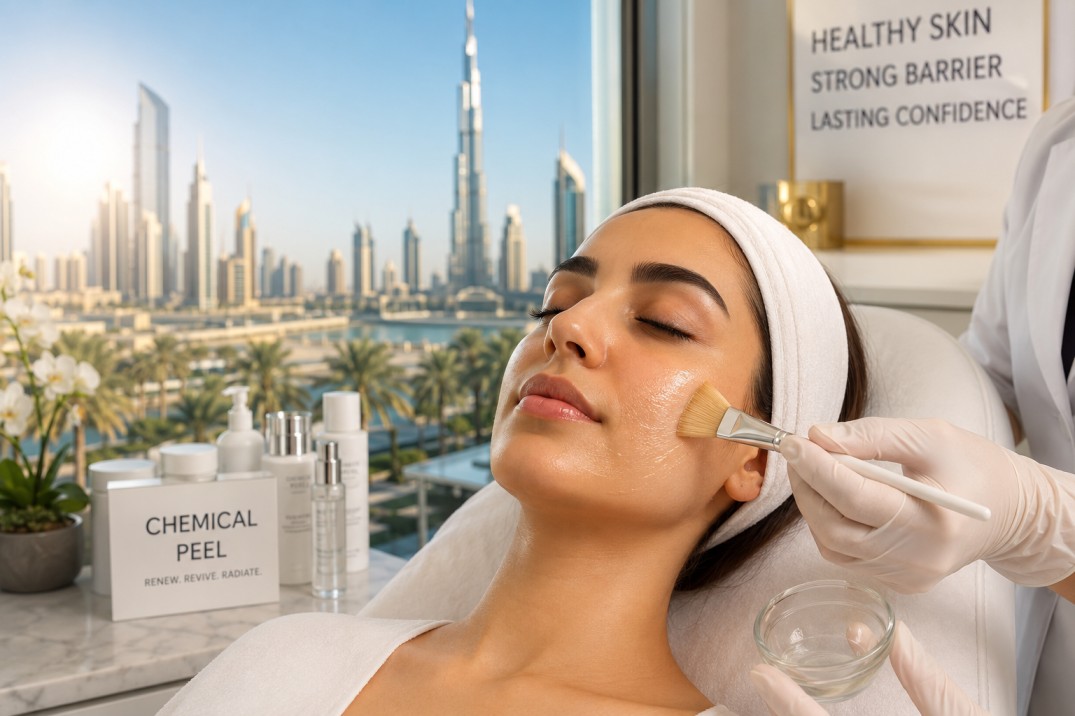
Dermatologists and licensed aestheticians frame skin lightening as reducing hyperpigmentation (age spots, melasma, post-inflammatory hyperpigmentation) and improving uniformity rather than changing natural skin tone permanently. Common, safer approaches include prescription-strength topical agents, chemical peels performed by licensed providers, and laser treatments selected for the specific condition.
Evidence and regulation
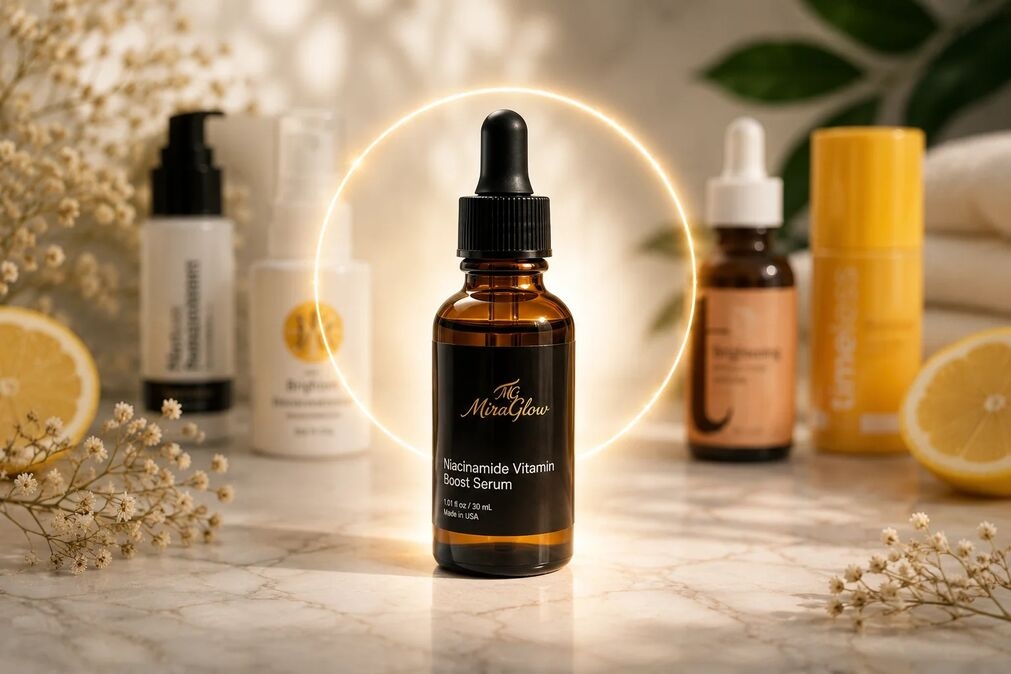
Certain active ingredients—like azelaic acid, kojic acid, niacinamide, alpha arbutin, and regulated-strength retinoids—have peer-reviewed support for reducing pigmentation when used correctly. Avoid unregulated or imported products with unknown concentrations of hydroquinone or potent corticosteroids, which carry risk. For sunscreen guidance, authoritative resources such as the American Academy of Dermatology provide best practices on protection and SPF usage: American Academy of Dermatology — Sunscreen.
The BRIGHT Checklist for Year-Round Results
Use the BRIGHT Checklist as a simple framework to evaluate any routine aimed at lighter, even-toned skin:
- B — Broad-spectrum sunscreen: SPF 30+ every day, reapply after sweating or swimming.
- R — Retinoid/retinol where appropriate: Encourages cell turnover and fades dark spots over months.
- I — Ingredients with evidence: Niacinamide, azelaic acid, alpha arbutin, vitamin C.
- G — Gentle exfoliation: Chemical exfoliants (AHA/BHA) used conservatively to avoid irritation.
- H — Hydration and barrier support: Ceramides, hyaluronic acid, emollients to prevent irritation-related darkening.
- T — Treatment oversight: Dermatologist or licensed provider review before stronger treatments (peels, lasers, prescriptions).
Why BRIGHT works
This checklist balances active lightening strategies with barrier preservation and sun protection—key to preventing rebound darkening and minimizing adverse effects.
Step-by-Step Routine Example (Celebrity-style, safe)
Morning: gentle cleanser, antioxidant serum (vitamin C), broad-spectrum sunscreen (SPF 30+), and a moisturizer with niacinamide. Evening: gentle cleanser, retinoid (if tolerated), targeted spot treatment (azelaic acid or alpha arbutin), and a barrier-restoring moisturizer.
Real-world example
A public figure with post-inflammatory hyperpigmentation consults a dermatologist, starts a regimen with azelaic acid 15% and daily SPF 50, adds a prescription retinoid at night after two weeks, and receives a series of superficial chemical peels spaced four weeks apart. After 3–6 months, pigmentation visibly lightens while the skin barrier is supported with ceramide-rich moisturizers.
Practical tips for safe skin lightening
- Use sunscreen daily and reapply frequently—sunscreen is the most important single habit to maintain results and prevent new pigmentation.
- Introduce one active at a time to monitor irritation; patch-test products on the inner forearm before facial use.
- Consult a board-certified dermatologist before starting hydroquinone or laser procedures; these require supervision and follow-up.
- Prefer regulated products from reputable manufacturers and avoid unlabelled or imported creams with unknown ingredients.
- Maintain hydration and barrier repair to prevent post-inflammatory hyperpigmentation from irritation.
Trade-offs and common mistakes
Trade-offs: stronger prescription treatments and lasers can accelerate results but increase cost and risk of rebound pigmentation or scarring if misapplied. Gentler topical regimens lower risk but require consistent use for months. Common mistakes include over-exfoliating, skipping sunscreen, using steroid creams without supervision, and relying on unverified market remedies. These errors often worsen hyperpigmentation rather than improve it.
Core cluster questions
- What are safe topical ingredients for reducing dark spots?
- How often should sunscreen be reapplied for pigment-prone skin?
- When is a chemical peel appropriate for hyperpigmentation?
- How do retinoids compare with azelaic acid for lightening discoloration?
- What are the risks of unregulated skin-lightening products?
When to see a professional
Schedule a consultation with a board-certified dermatologist for persistent or extensive hyperpigmentation, suspected melasma, or if prescription-strength interventions are being considered. Professionals can evaluate skin type, rule out underlying causes, and choose treatments that balance effectiveness and safety.
FAQ
Is safe skin lightening possible at home?
Yes—safe skin lightening is possible at home using regulated topical ingredients (niacinamide, azelaic acid, vitamin C, alpha arbutin) combined with daily broad-spectrum sunscreen and conservative exfoliation. Stronger treatments should be supervised by a professional.
Which active ingredients are effective for brightening dark spots?
Evidence-backed options include retinoids, azelaic acid, niacinamide, vitamin C derivatives, and regulated concentrations of alpha arbutin. Hydroquinone can be effective but should be used under medical supervision due to potential side effects and regulatory limits in some countries.
How important is sunscreen for maintaining results?
Extremely important—without consistent broad-spectrum sunscreen use, new UV exposure can undo brightening efforts and lead to more pronounced pigmentation.
Can lasers or peels be used safely for pigmentation?
Yes, when selected for the specific pigmentation type and performed by an experienced provider. Multiple sessions and proper pre- and post-care are required to reduce risks like post-procedure hyperpigmentation.
How long does it take to see results from safe skin lightening?
Mild improvements may appear within 6–12 weeks for topical regimens; more significant changes often require 3–6 months of consistent use or combined professional treatments. Patience and sun protection are essential.