Top Creative Tourism Ads: Effective Ways to Advertise Travel Online
-

- Published Updated
- 1,329 views

Creative tourism ads are a core element of modern travel marketing. This guide explains formats, targeting strategies, creative concepts, measurement techniques, and regulatory considerations to advertise travel online effectively.
- Identify audience segments and use tailored creative that highlights experiences rather than just products.
- Use a mix of formats: video, display, native, search, and email to reach users at every stage of the funnel.
- Measure outcomes with conversion tracking, attribution models, and A/B testing to improve ROI.
- Comply with data protection and advertising rules from regulators such as the European data protection framework and consumer protection agencies.
Creative Tourism Ads: formats and creative concepts
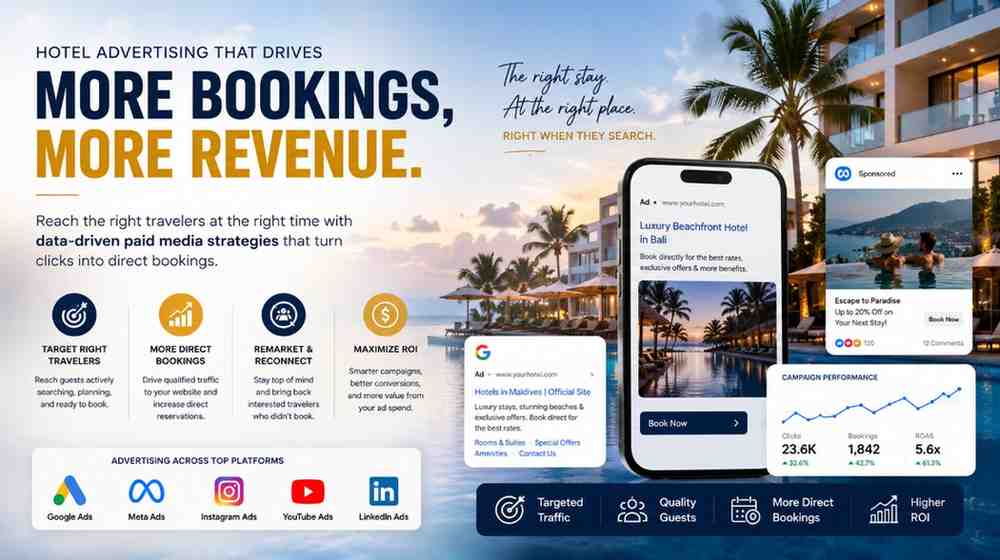
Effective creative tourism ads use a combination of formats to tell a cohesive story across the customer journey. Short video clips and animated creatives capture attention on social and streaming platforms, while large, high-quality images perform well in display and native placements. Search text ads and travel-focused landing pages remain important for capturing high-intent queries related to destinations, dates, and activities.
Story-driven formats
Ads that spotlight a local experience—food tours, cultural events, outdoor activities—help connect emotionally with potential travelers. Micro-stories (15–30 second videos) and carousel creatives allow multiple touchpoints within a single ad unit.
Utility-focused formats
Itineraries, packing lists, weather snapshots, and interactive maps can be presented as downloadable or interactive creatives to drive engagement and capture leads.
Targeting and audience segmentation
Advanced segmentation improves efficiency by matching creative to traveler intent. Common segments include family travelers, adventure seekers, business travelers, solo travelers, and eco-conscious visitors. Use behavioral signals, search intent, past booking data, and lifecycle stage to prioritize ad spend.
Lookalike and interest-based audiences
Lookalike modeling can expand reach to potential customers similar to past bookers. Interest and contextual signals—such as pages visited or content consumed—help to place creatives where they are most relevant.
Geotargeting and seasonality
Target by proximity to the destination, origin market, or specific travel windows. Seasonality and events should shape creative messaging and offers.
Landing pages, funnels, and conversion optimization
Ads should lead to purpose-built landing pages designed to convert. Pages that continue the ad story, show clear next steps, and minimize friction increase the likelihood of booking or lead capture.
Essential landing page elements
- Consistent visuals and messaging with the ad creative
- Clear calls to action and simple booking or inquiry forms
- Trust signals such as accreditation, reviews, and transparent pricing
- Mobile-optimized experiences and fast load times
Measurement, testing, and attribution
Reliable measurement supports iterative creative improvements. Implement conversion tracking, tag management, and UTM parameters to analyze traffic sources. Employ A/B testing to compare headlines, visuals, and calls to action. Use multi-touch attribution or data-driven models to understand how creative tourism ads contribute across channels.
Key metrics to track
- Click-through rate (CTR) and view-through rate for brand awareness
- Conversion rate and cost per acquisition (CPA) for bookings and leads
- Average order value and revenue per visit for financial performance
- Engagement metrics such as time on site and pages per session
Privacy, regulation, and industry best practices
Advertising travel online requires attention to data protection and consumer law. Comply with data protection frameworks (for example, the EU General Data Protection Regulation) and follow guidance from consumer protection authorities. Include transparent consent flows, clear privacy notices, and options for preference management. Industry organizations and tourism authorities provide additional resources for advertisers.
For global statistics and guidance on tourism trends, consult the World Tourism Organization (UNWTO): UNWTO.
Ad labeling and truth-in-advertising
Ensure claims about pricing, availability, and health or safety measures are accurate and verifiable. Regulators in many markets require clear disclosure of sponsored content and material connection to partners.
Budgeting and channel mix
Allocate budget across awareness, consideration, and conversion channels. Brand and awareness campaigns typically use video and display creatives, while search and retargeting campaigns capture demand nearer the booking moment. Track return on ad spend (ROAS) and adjust bids and creative frequency according to performance.
When to invest in high-production creative
High-production videos and immersive content are most effective for brand-building and destination marketing. For direct-response campaigns, simpler, timely creatives with clear offers may provide faster returns at lower cost.
Creative workflow and asset management
Organize creative assets with versioning and metadata to support rapid testing. Maintain templates for headlines, descriptions, and design elements to scale campaigns across languages and markets. Centralized asset libraries reduce duplication and maintain brand consistency.
Localization and accessibility
Translate and localize creative and copy for target markets. Ensure accessibility by using readable fonts, captioned videos, and descriptive alt text for images.
Frequently asked questions
What are creative tourism ads?
Creative tourism ads are marketing units designed to promote destinations, experiences, and travel services. They use visual storytelling, targeted messaging, and a mix of ad formats to reach potential travelers at different stages of the booking funnel.
How is performance measured for creative tourism ads?
Performance is measured with engagement metrics (CTR, view rates), conversion metrics (booking rate, CPA), and revenue metrics (ROAS, revenue per visit). Attribution models and A/B testing help determine which creatives and channels drive results.
How should creatives be adapted for seasonal campaigns?
Adjust imagery, messaging, and offers to reflect seasonality, holidays, and local events. Update landing pages and promos to match the ad content and create urgency with limited-time offers when appropriate.
Which privacy and regulatory considerations affect travel advertising?
Travel advertisers must follow data protection laws such as GDPR in the European Union and local consumer protection rules. Maintain clear consent mechanisms, privacy notices, and disclosures for sponsored content.