Practical Mahatma Gandhi Jayanti Activities for Schools: Lesson Plans, Crafts & Community Projects
-

- March 04th, 2026
- 816 views

FREE SEO Topical Map Generator: Find Your Next Content Ideas
Introduction
Mahatma Gandhi Jayanti activities for schools can make October 2 meaningful, educational, and memorable. Schools that plan hands-on, age-appropriate events help students connect Gandhi's principles—non-violence, truth, simplicity—to everyday behavior. This guide provides practical ideas, a named checklist framework, a sample schedule, and implementation tips that fit elementary through secondary classrooms.
- Use a simple framework (PEACE Checklist) to design inclusive, values-based events.
- Combine short lessons, creative projects, and service-learning for deeper impact.
- Adapt activities by age: storytelling and crafts for younger students; debates, community projects, and research for older students.
Detected intent: Informational
Mahatma Gandhi Jayanti activities for schools: Hands-on ideas and formats
Design event formats that balance learning and participation. The strongest school celebrations mix these formats: a short assembly or read-aloud, a curriculum-linked lesson (history or ethics), interactive projects (poster-making, role-play), and a community or service component. Related terms and concepts to include: non-violence, Satyagraha, peace education, civic engagement, community service, biography study, and cultural programs.
Age-based activity examples
- Primary (ages 5–10): Story circle on Gandhi's life, salt-dough 'peace' symbols, and a simple kindness pledge wall.
- Upper primary (ages 10–13): Role-play of key events, poster-making contest about non-violence, and classroom debates on fairness.
- Secondary (ages 14–18): Research presentations on Satyagraha, community service days (neighborhood clean-up), and student-led seminars on civic responsibility.
PEACE Checklist: A named framework for planning
Use the PEACE Checklist to design an inclusive, values-centered celebration. This framework gives a repeatable planning structure for teachers and coordinators.
- Participatory — ensure activities involve many students (hands-on crafts, readings, local service).
- Educational — include one clear learning objective tied to the curriculum (history, ethics, social studies).
- Accessible — adapt materials and tasks for diverse learners and multiple age groups.
- Creative — use art, drama, and storytelling to make ideas tangible.
- Ethical — link tasks to real-life choices: empathy exercises, conflict-resolution role-play.
Short real-world example (scenario)
Scenario: A middle school with 600 students plans a half-day Gandhi Jayanti program. The schedule: a 20-minute morning assembly with a student narration of Gandhi's life; grade-level workshops (poster design, debate prep, community-service planning); a midday respectful-silence moment for reflection; and a school-wide pledge board displayed in the lobby. Teachers used the PEACE Checklist to assign roles, prepare materials one week in advance, and include a follow-up reflective writing assignment tied to civic education standards.
School celebration ideas for Gandhi Jayanti: practical activities that work
Choose 3–5 activities and vary intensity. Combining a low-effort schoolwide element (a pledge wall) with a deeper classroom project (service-learning) creates both breadth and depth.
Low-effort, high-impact activities
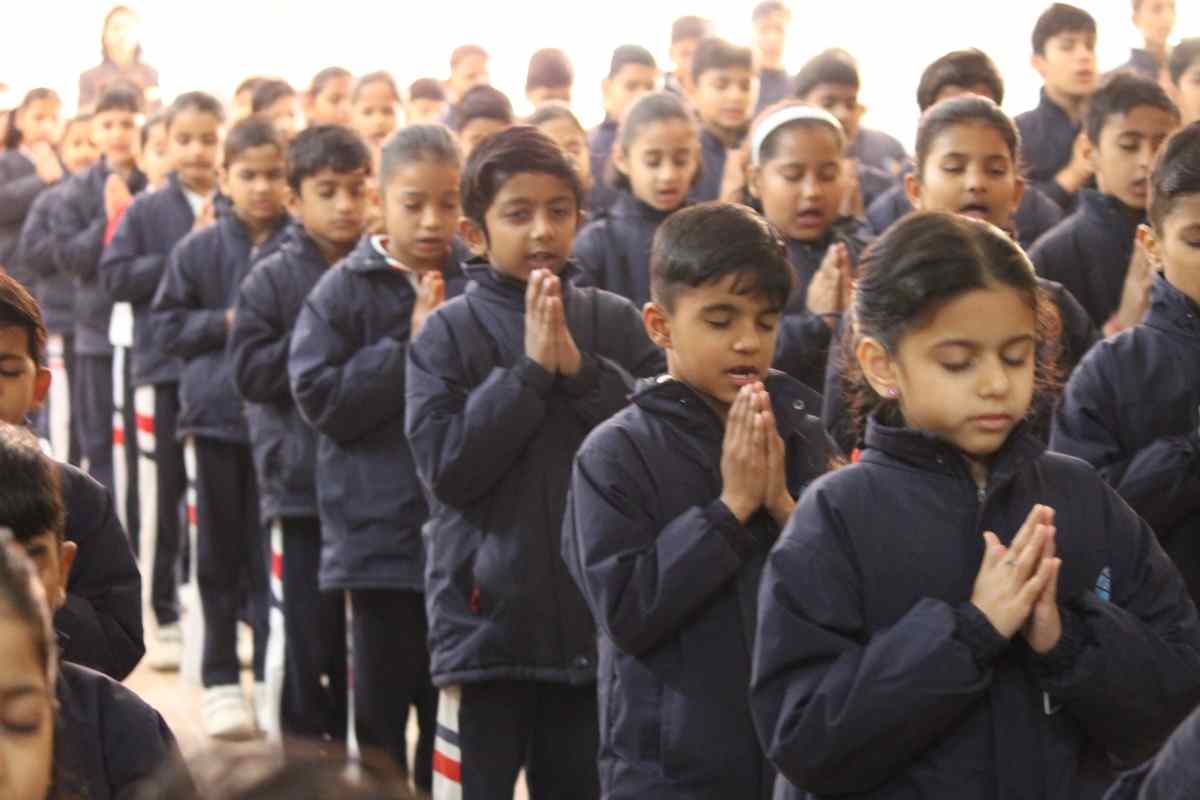
- Quiet reflection time: 5–10 minutes of guided silence with a read-aloud excerpt from a child-friendly Gandhi biography.
- Peace pledge board: Students write one concrete act of kindness they will do that week.
- Visual displays: Gallery of student-created posters and quotes related to non-violence.
Medium-effort projects
- Classroom exhibits: Small research posters on Gandhi’s major campaigns and their global impact.
- Role-play and skits: Short dramatic retellings of historical moments with discussion prompts.
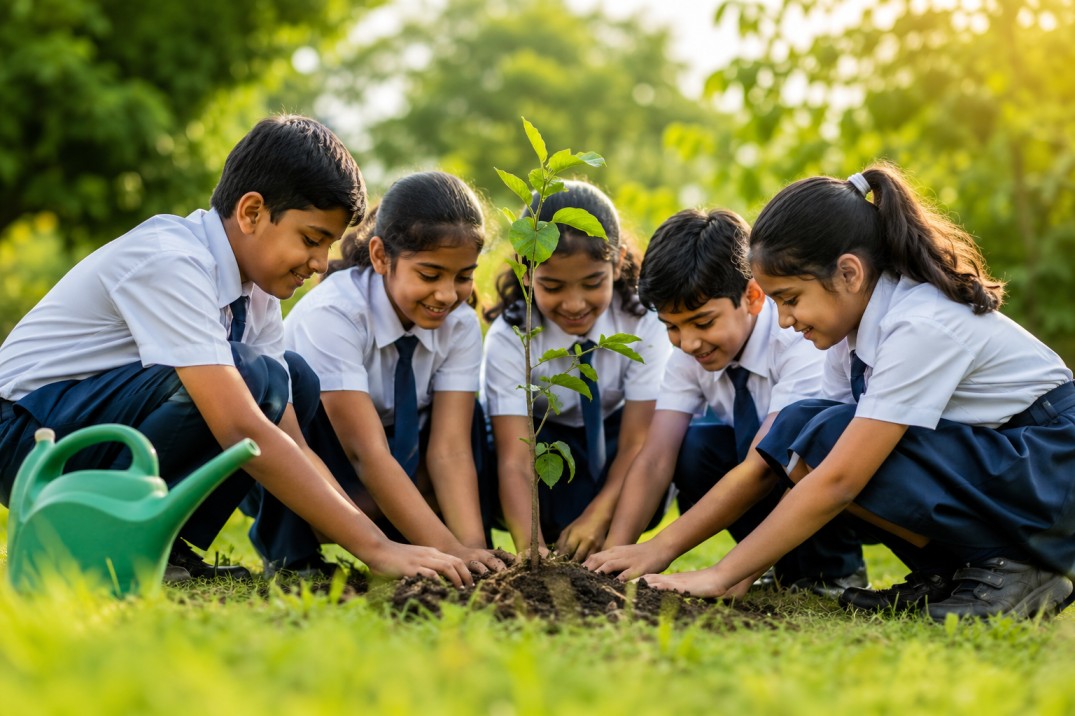
- Service-learning kickoff: Plan a community project (park clean-up, reading visit) and assign student teams.
Deeper learning options
- Cross-curricular unit: Integrate Gandhi’s philosophy into civics, literature, art, and science (e.g., sustainable living project tied to simplicity).
- Student research symposium: Present findings on non-violence movements worldwide, comparing methods and outcomes.
Note: Gandhi Jayanti is also observed internationally as the International Day of Non-Violence; for background on the UN recognition, see the United Nations page on the International Day of Non-Violence here.
Classroom Gandhi activities for students: curriculum links and assessment
Link activities to learning standards: reading comprehension (biography excerpts), speaking and listening (presentations), social studies (colonial history and independence movements), and service-learning rubrics (planning, reflection, outcomes). Use a short rubric: knowledge (what was learned), application (how students connect values to action), and reflection (personal commitments and evaluation).
Practical tips for successful execution
- Plan early: Reserve assembly time and gather materials one week in advance.
- Keep activities age-appropriate and scaffold complexity across grades.
- Provide clear roles for student leaders to increase ownership.
- Include a reflection component: journals, exit tickets, or brief group discussions.
- Coordinate with community partners for service elements and permission forms.
Common mistakes and trade-offs
Most planning errors come from underestimating preparation time or trying to do too many things at once. Trade-offs to consider:
- Depth vs breadth: A single deep project (service-learning) is more impactful than multiple superficial activities.
- Uniformity vs flexibility: A standardized school program is easy to manage but may not meet diverse classroom needs—allow teacher adaptations.
- Symbolic vs substantive: Decorative events (posters only) feel festive but should be paired with reflection and learning to avoid being merely performative.
Core cluster questions
- How can schools integrate Gandhi Jayanti into civics curriculum?
- What are age-appropriate Gandhi Jayanti activities for primary classrooms?
- How to plan a community service project for Gandhi Jayanti?
- Which resources explain Gandhi’s philosophy for students?
- How to assess student learning from Gandhi Jayanti activities?
Implementation checklist before October 2
- Confirm schedule and spaces (assembly hall, classrooms, outdoor areas).
- Assign teacher leads and student volunteers for each activity.
- Prepare materials (printables, art supplies, research sources).
- Communicate with families about any service-learning permissions or supplies needed.
- Plan a brief follow-up reflection activity for the week after the event.
FAQ
What are effective Mahatma Gandhi Jayanti activities for schools?
Effective activities combine short, schoolwide elements (assembly, pledge board) with deeper classroom projects (role-play, service-learning, research presentations). Use a rubric to assess knowledge, application, and reflection. Tailor complexity to student age and link the activity to curriculum standards.
How can younger students learn about Gandhi without complex history?
Focus on simple stories highlighting kindness, fairness, and small acts of service. Use picture books, storytelling circles, and crafts that symbolize peace. Keep sessions short and include a hands-on element to reinforce the message.
Can Gandhi Jayanti include community service projects?
Yes. Community service aligns well with Gandhi’s emphasis on community and simplicity. Choose manageable projects—neighborhood clean-ups, organizing a book drive, or helping at a local shelter—and plan logistics, permissions, and reflection activities.
How to adapt activities for students with diverse learning needs?
Provide multi-modal options: audio recordings of stories, visual instructions for crafts, cooperative team roles, and alternative assessment formats (oral presentations instead of written reports). Ensure materials are accessible and expectations are scaffolded.
Where to find teacher resources and primary sources about Gandhi?
Teacher resources include child-friendly biographies, educational websites, and archives with primary-source letters and speeches. For official background on the international observance of Gandhi Jayanti, consult the United Nations page linked earlier.