Custom Lipstick Boxes: A Practical Guide to Packaging That Sells
-
- March 05th, 2026
- 406 views
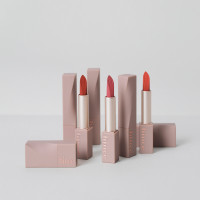
Custom lipstick boxes are more than a container: they protect fragile tubes, communicate brand values, and influence purchase decisions at shelf and online. This guide explains how to choose materials, design for unboxing, and balance cost, sustainability, and compliance so packaging supports product success.
- Primary decisions: material, structural design, printing method, and compliance.
- Use the PACK Checklist (Protect, Attract, Communicate, Keep) to prioritize choices.
- Consider eco-friendly lipstick boxes and printing options to reduce waste and appeal to conscious buyers.
- Detected intent: Commercial Investigation
Custom Lipstick Boxes: How packaging influences product success
Packaging is a practical tool and a marketing touchpoint. Custom lipstick boxes control product protection, shelf presence, and information delivery. For a brand launching single shades or large collections, boxes must match manufacturing volumes, budget, and regulatory labeling requirements.
Design, materials, and lipstick box printing options
Start by deciding the right material for the product and brand positioning. Common materials include coated paperboard for premium finishes, kraft board for eco-friendly looks, and rigid boxes for luxury collections. Choices affect protection, print fidelity, and cost.
Printing and finishing choices
- Offset printing: high image quality for medium to large runs.
- Digital printing: cost-effective for short runs and prototypes.
- Finishes: matte or gloss varnish, soft-touch lamination, foil stamping, embossing — each adds tactile and visual value but increases cost.
Eco options and sustainability
Eco-friendly lipstick boxes can use recycled board, FSC-certified paper, soy-based inks, and minimal lamination to ease recycling. Sustainability decisions should weigh material sourcing, recyclability, and end-of-life guidance provided to consumers.
PACK Checklist: a named framework for packaging decisions
Use the PACK Checklist to structure priorities:
- Protect: Ensure material and inner supports prevent dents and leaks.
- Attract: Choose colors, finishes, and shapes that reflect brand positioning.
- Communicate: Include required labeling, ingredient lists, and marketing copy clearly.
- Keep: Consider storage, shelf placement, and secondary packaging for shipping.
Labeling, compliance, and one authoritative reference
Certain markets require specific labeling on cosmetics, including ingredient lists, net contents, and manufacturer contact details. Validate label claims and required information for the target market; in the U.S., federal guidance for cosmetics is available from official authorities such as the FDA cosmetics guidance. Additional regional rules apply in the EU and other jurisdictions.
Real-world example: a small brand launch scenario
A small cosmetics brand plans a three-shade lipstick launch with a one-month timeline. Goals: mid-range price, sustainable image, and strong unboxing for social content. Applying the PACK Checklist: choose recycled coated paperboard for a polished look with lower environmental impact; use digital printing for a 1,000-unit short run; add a soft-touch lamination and a subtle foil logo to highlight premium positioning. Include clear ingredient and net weight labeling on the inner flap to keep the external design minimal while staying compliant.
Practical tips for ordering and spec’ing custom lipstick packaging
- Request dielines and physical prototypes before finalizing mass production to check fit for the exact lipstick tube model.
- Match printing proof colors to Pantone or CMYK values and accept that finishes like soft-touch change perceived color slightly.
- Get clear specifications for minimum type size and contrast for mandatory labeling to ensure legibility and regulatory compliance.
- Plan packaging for shipping: consider inserts or extra closures to prevent movement and scuffing in transit.
Trade-offs and common mistakes when choosing lipstick boxes
Trade-offs to consider
- Cost vs. finish: luxury finishes improve perceived value but raise unit cost and minimum order quantities.
- Sustainability vs. durability: fully recyclable materials may offer less moisture resistance than laminated options.
- Short run agility vs. unit pricing: digital printing lowers upfront cost for low volumes but can be more expensive per unit at scale compared with offset.
Common mistakes
- Skipping a physical prototype and discovering fit or closure problems after a full print run.
- Choosing a lamination or coating that prevents recycling without informing customers.
- Neglecting to include required regulatory information or using type smaller than legally allowed.
Core cluster questions for internal linking and content planning
- How to design packaging for lipstick to improve shelf impact and online photography?
- What materials work best for eco-friendly lipstick boxes and sustainable cosmetics packaging?
- When to choose digital printing vs offset for small lipstick box orders?
- How to add compliant ingredient and contact information to lipstick packaging?
- What are common shipping protections for fragile cosmetics in retail distribution?
Practical buying checklist before placing a print order
Use this short checklist to avoid delays:
- Confirm exact dimensions with the production lipstick tube.
- Approve a physical prototype and color proof.
- Verify minimum type sizes and label content for each sales territory.
- Confirm shipping and storage tolerances with the manufacturer.
- Check recyclability and disposal instructions for consumer labeling.
Final considerations
Custom lipstick boxes should balance brand presentation, protection, sustainability, and regulatory needs. Starting with a clear checklist and small prototypes reduces risk and improves time to market. When in doubt, prioritize legibility for safety and legal compliance while using finishes and design choices to create a memorable unboxing experience.
FAQ: What are custom lipstick boxes and how to choose them?
Custom lipstick boxes are tailor-made outer packages designed to fit and protect lipstick tubes while supporting branding and regulatory labeling. Choose based on material, printing method, finish, and required labeling for the target market.
FAQ: What printing method is best for short runs of lipstick packaging?
Digital printing is typically best for short runs and rapid turnaround because it eliminates plate costs and supports variable data printing, while offset becomes cost-effective for larger orders with consistent artwork.
FAQ: How can eco-friendly lipstick boxes be implemented without sacrificing look?
Use recycled or FSC-certified paperboard coupled with water-based inks and minimal lamination. Design choices like texture, embossing, and selective foil can provide a premium look while keeping materials recyclable.
FAQ: How should required ingredient and safety information be placed on lipstick packaging?
Place mandatory labels where they are easily legible—commonly on an inner flap or the back panel—using minimum legal type sizes and contrasts; verify regional requirements for language and content.
FAQ: Are custom lipstick boxes worth the investment for small brands?
Custom lipstick boxes can pay off by reinforcing brand identity and improving perceived value, but costs should be evaluated against expected margins and order volumes. Prototyping and a measured launch can reduce financial risk.