How to Find and Vet a Custom Streetwear Manufacturer: A Practical Guide
-

- March 09th, 2026
- 257 views

Get a free topical map and start building content authority today.
Choosing the right custom streetwear manufacturer is the single biggest driver of product quality, brand reputation, and margins for an apparel business. This guide explains how to find, evaluate, and work with a custom streetwear manufacturer, including a practical checklist, trade-offs, and a short scenario showing the process in real life.
- Detected intent: Commercial Investigation
- Primary focus: how to choose and vet a custom streetwear manufacturer
- Includes: STREET checklist, practical tips, common mistakes, and a short real-world scenario
Why a specialist custom streetwear manufacturer matters
Streetwear has specific technical and cultural requirements: heavier fabrics, seasonless drops, custom trims, embroidery and screen printing expertise, and rapid prototyping for limited runs. A specialist custom streetwear manufacturer understands cut-and-sew processes, garment tech packs, minimum order quantities (MOQ), and the finish techniques that streetwear customers expect. Working with a manufacturer experienced in private label streetwear manufacturing reduces rework, improves sizing consistency, and helps control costs.
How to choose a custom streetwear manufacturer
Follow a structured evaluation that covers capabilities, quality systems, compliance, and communication. Use the STREET checklist below to assess candidates consistently.
STREET checklist (named framework)
- Sourcing capability — fabric types, trim suppliers, access to swatch libraries
- Technical expertise — pattern making, grading, sample turnaround, tech pack accuracy
- Reference production — proof of past projects, photos, factory references
- Ethics & compliance — labor standards, safety testing, certifications
- Efficiency & MOQ — lead times, batch processing, minimums for different techniques (embroidery vs DTG)
- Testing & quality control — inline inspections, final inspections, defect rates
Finding candidates: channels and sourcing approaches
Sources include industry marketplaces, trade shows, referrals from other brands, and manufacturer directories. Search using terms like private label streetwear manufacturing and custom urban apparel production to surface suppliers who advertise experience with streetwear techniques (heavy cottons, French terry, embroidered caps, woven labels). Contact several factories to compare quotes and lead times rather than selecting the first bidder.
Practical vetting steps
Apply these step-by-step actions when vetting a manufacturer.
- Request an NDA and send a clear tech pack: fabric specs, measurements, trim placement, stitch types, and acceptable tolerances.
- Ask for physical swatches and sample photos, not just digital images. Confirm finish quality for embroidery, screen prints, and garment dye effects.
- Get a factory audit or third-party inspection report covering working conditions and compliance. Confirm certifications if sustainability claims are important.
- Negotiate a pilot order (small run) to verify lead time, fit, and defect rate before scaling up.
Authority and quality management
Adopting a formal quality management approach reduces risk. International quality standards such as ISO 9001 describe control processes for production and inspection — these frameworks are considered best practice for vendor selection and ongoing audits. For reference, see International Organization for Standardization guidance on quality management systems (ISO 9001).
Real-world example: launching a 500-piece hoodie drop
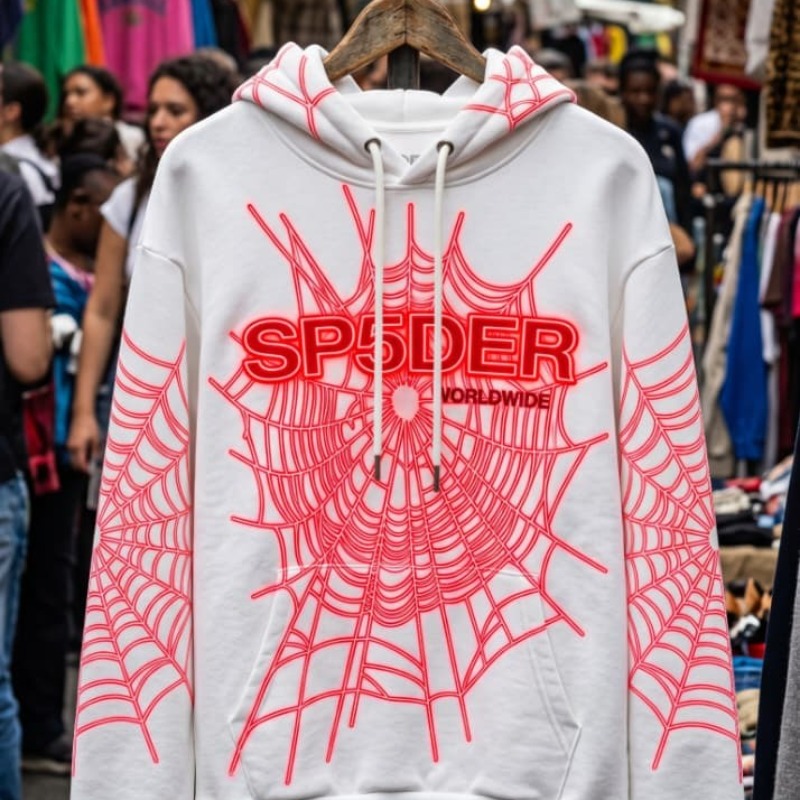
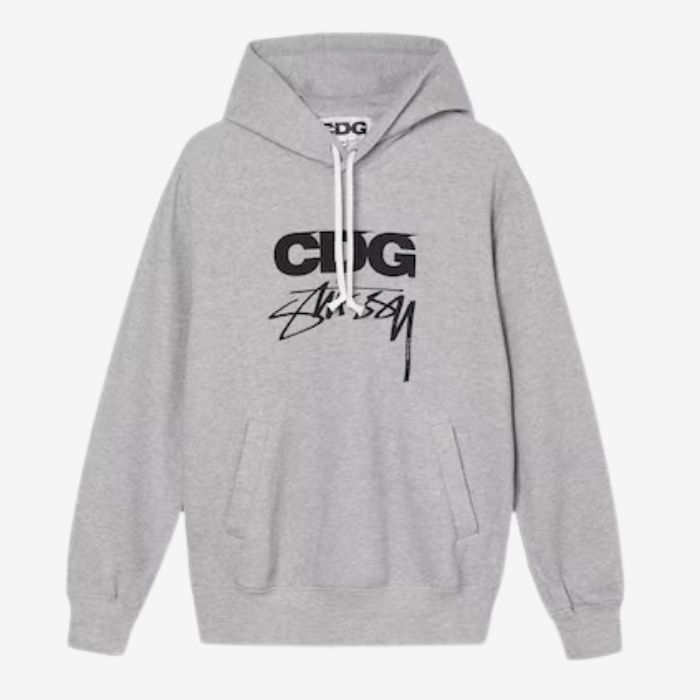
A new label needed 500 heavyweight cotton hoodies with custom embroidered chest logo, woven label, and garment dye. The brand used the STREET checklist to pick three factories, requested swatches and mock-ups, and placed a 50-piece pilot order with the chosen factory. The pilot revealed inconsistent embroidery placement on 12% of units; the factory corrected the tooling and re-ran a second 50-piece pilot before producing the remaining 400 units. The pilot approach kept losses low and preserved the launch timeline.
Practical tips for working with manufacturers
- Provide complete tech packs (measurements, point of measure, stitch type, size grading) to avoid back-and-forth and hidden costs.
- Agree on acceptance criteria and an inspection plan before production starts: define acceptable defect rates for trims, seams, and prints.
- Use milestone payments tied to sample approval, pre-production, and final inspection to align incentives.
- Plan lead times with buffers for lab dips, sample revisions, and shipping — streetwear drops often need tighter schedules.
Common mistakes and trade-offs
Choosing a manufacturer often involves compromises. Understanding trade-offs helps set realistic expectations.
Common mistakes
- Opting for the lowest quote without confirming quality — lower cost often means lower quality controls or hidden fees.
- Skipping pilot runs — full runs risk large-scale defects and long delays to correct issues.
- Not verifying compliance — missing certifications or labor standards can cause reputational damage.
Trade-offs
- Cost vs control: closer factories or onshore partners can deliver faster communication and lower shipping risk but often at higher per-unit cost.
- MOQ vs customization: smaller MOQs enable frequent drops and flexibility but increase unit price and setup cost per style.
- Speed vs sustainability: faster turnaround may limit options for certified sustainable fabrics and more rigorous testing.
Core cluster questions (internal linking targets)
- What is the minimum order quantity (MOQ) for private label streetwear manufacturing?
- How to write a garment tech pack for custom urban apparel production?
- Which quality tests matter for hoodies, tees, and caps?
- How to estimate landed cost for overseas apparel manufacturing?
- What certifications and audits to request from a clothing factory?
When to scale and how to protect the brand
Scale production after successful pilots, stable defect rates, and confirmed logistics. Protect intellectual property through NDAs and registered trademarks for logos and prints. Maintain open communication with the manufacturer and schedule periodic audits or third-party inspections to ensure ongoing compliance and quality.
FAQ: How to choose a custom streetwear manufacturer?
Assess capabilities (embroidery, screen printing, garment dye), request swatches and sample runs, verify compliance and references, and use a pilot order to validate quality and lead times before committing to larger runs.
FAQ: What are typical MOQs for private label streetwear manufacturing?
MOQs depend on technique: screen printing and embroidery often accept lower MOQs (50–200 units) for simple designs, while woven labels, custom trims, or garment dyeing may require higher MOQs or minimums by color (200+ units).
FAQ: How much does custom urban apparel production cost per unit?
Cost varies by fabric, trim, complexity, and volume. Expect wide ranges—basic tees can be under $5 per unit in bulk, while heavyweight hoodies with custom treatments often start much higher. Obtain quotes with clear line-item breakdowns for fabrics, trims, labor, and finishing.
FAQ: What certifications should be requested from a factory?
Request proof of labor compliance, safety testing results, and any sustainability claims (e.g., OEKO-TEX, GOTS). For quality systems, look for evidence of structured quality control processes or alignment with international standards like ISO.
FAQ: How long does it take to produce a sample and a first small batch with a custom streetwear manufacturer?
Sample lead times commonly range from 1–4 weeks depending on complexity. Small batch production (50–500 pieces) typically takes 4–12 weeks including approvals, depending on the factory's backlog, finishing processes, and shipping.
Additional practical resources: maintain a vendor scorecard, keep tech packs version-controlled, and plan production calendars around realistic lead times and seasonal demand to minimize rush fees and stockouts.