PPC Bidding Strategies to Maximize ROI: Practical Guide and Checklist
-

- Published Updated
- 373 views
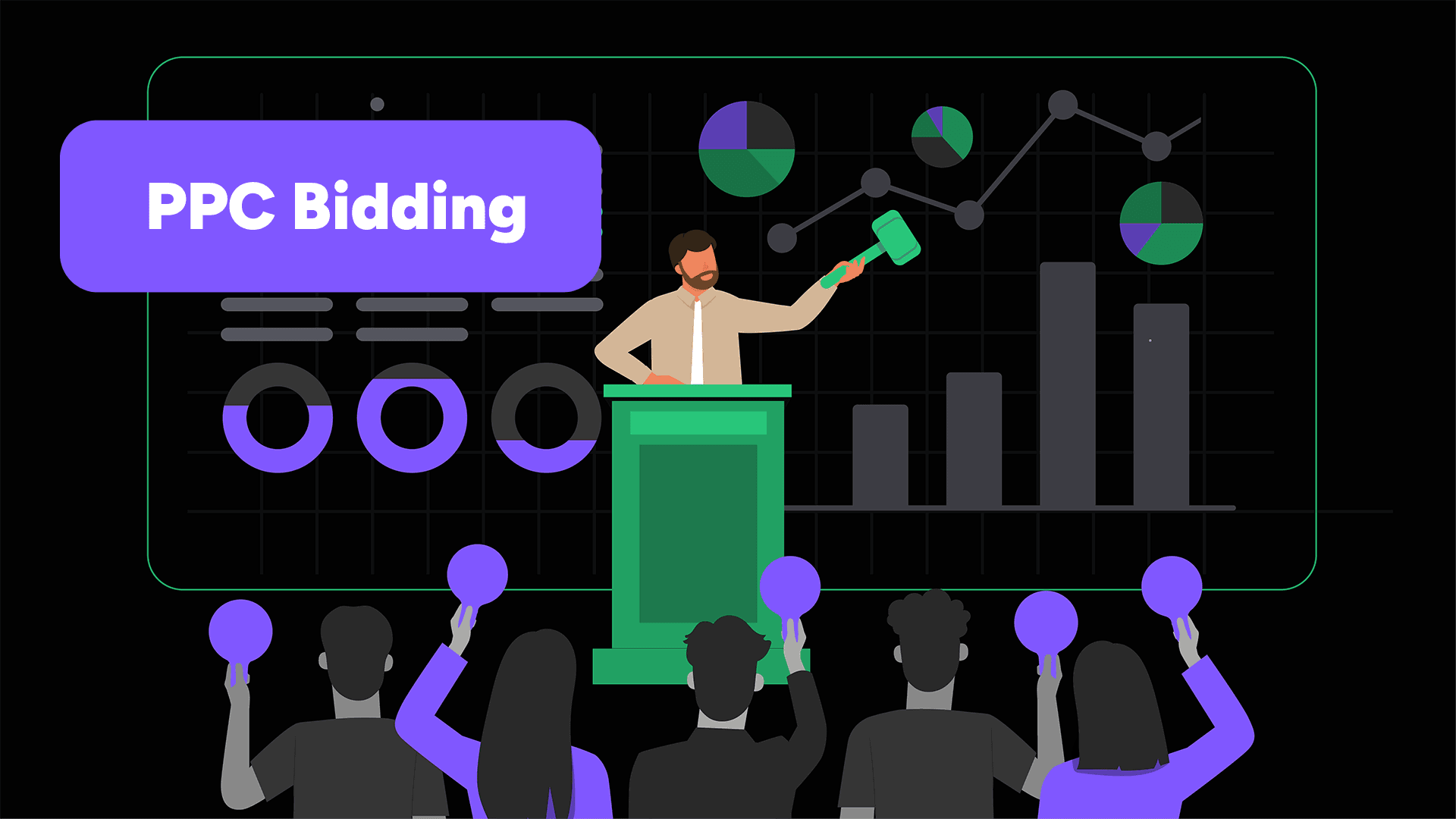
Choosing the right PPC bidding strategies determines how ad spend converts into clicks, conversions, and profit. This guide explains common PPC bidding strategies, how they trade off precision and automation, and how to apply a simple checklist to improve return on ad spend. The phrase PPC bidding strategies appears throughout to keep focus on practical setup and optimization.
- Understand core bidding modes: manual CPC, enhanced CPC, target CPA, target ROAS, maximize clicks, and maximize conversions.
- Match strategy to campaign objective, data volume, and budget control needs.
- Use the BID-ROI Checklist before switching strategies.
Detected intent: Informational
PPC bidding strategies: An overview
PPC bidding strategies are methods for deciding how much to bid on ad auctions. Strategies range from manual control (manual CPC bidding) to full automation (Smart Bidding approaches such as target CPA or target ROAS). Each approach balances control, required data, and expected efficiency.
How common bidding strategies work
Manual CPC bidding
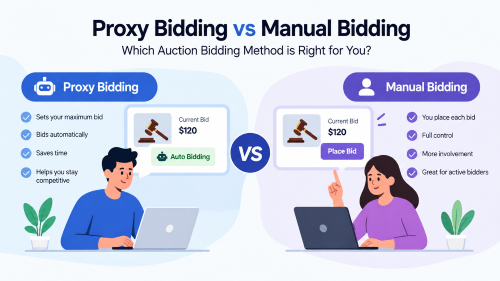
Manual CPC bidding sets bids at the keyword or ad-group level. It gives tight cost control and makes sense for campaigns with clear margins or limited conversion data. Manual CPC supports bid adjustments by device, location, or audience but requires frequent monitoring.
Enhanced CPC (ECPC)
Enhanced CPC keeps manual bids as the baseline but uses conversion signals to adjust bids in auctions that seem more likely to convert. ECPC is a hybrid step toward automated bidding.
Target CPA and target ROAS
Target CPA (cost per acquisition) and target ROAS (return on ad spend) are conversion-focused automated strategies. They require reliable conversion tracking and sufficient historical data to predict performance. These are examples of automated bidding strategies that aim to meet a cost or value target rather than maximize clicks.
Maximize clicks / maximize conversions
These automated strategies focus on volumes—either clicks or conversions—given a budget. They suit awareness or volume-driven campaigns but can underperform on ROI if conversion value varies greatly across traffic.
Portfolio and seasonality considerations
Portfolio bidding pools signals across campaigns to reach broader targets. Use seasonality adjustments or data feeds to help automated systems handle predictable spikes (sales, launches) without mislearning.
Named framework: BID-ROI Checklist
Use the BID-ROI Checklist before changing bidding strategy:
- B — Baseline metrics: capture CPA, ROAS, conversion rate, and average order value.
- I — Inventory of data: confirm daily conversions and attribution windows.
- D — Desired outcome: define whether the goal is volume, cost control, or profit.
- R — Risk tolerance: set limits on bid changes and budget exposure.
- O — Optimize signals: ensure conversion tracking and audience lists are active.
- I — Iteration plan: schedule tests, measurement windows, and rollback criteria.
Practical steps to choose and test strategies
Follow these step-by-step actions to implement a bidding strategy change:
- Run the BID-ROI Checklist to validate readiness.
- Use a small, controlled experiment: allocate 5–20% of budget to the new strategy.
- Give automated strategies a learning window (typically 7–14 days or more depending on conversion volume).
- Compare CPA, ROAS, and conversion volume against the baseline at consistent attribution settings.
- Only scale once performance meets the predefined success criteria from the checklist.
Real-world example
A mid-sized ecommerce brand tracked 12 conversions per day on a campaign using manual CPC bidding with a CPA of $45. After completing the BID-ROI Checklist and enabling target CPA with a target of $40, the campaign ran a controlled test at 10% budget for four weeks. The automated strategy reduced CPA to $37 while increasing conversion volume by 18%. The brand scaled gradually, monitoring average order value and seasonality to avoid overspending on low-value conversions.
Practical tips to improve ROI
- Use data thresholds: prefer automated bidding only for campaigns with consistent conversion volume (usually 15–30 conversions in the recent window).
- Align conversion value: feed accurate transaction values to bidding algorithms to optimize for ROAS, not just counts.
- Keep experiments small and timeboxed to limit risk and reveal true performance differences.
- Control for attribution: test strategies using the same attribution model to compare apples-to-apples.
Trade-offs and common mistakes
Choosing a bidding strategy requires balancing trade-offs:
- Control vs. scale: Manual CPC provides control but is labor-intensive; automated strategies scale but require trust and data.
- Short-term CPA vs. long-term value: Target CPA can sacrifice high-LTV customers if conversion value is not included in the signal.
- Insufficient data: Switching to automated bidding without enough conversions often results in volatility or poor decisions.
Common mistakes
- Turning on automated bidding and changing settings too quickly during the learning phase.
- Using inconsistent conversion windows when comparing performance.
- Failing to include conversion value or revenue when ROAS matters.
Signals, platforms, and measurement
Modern automated bidding uses many signals—device, location, time, audience, and past behavior. Signals require accurate measurement and integration with analytics platforms. For guidance on platform-specific bidding controls and signals, consult the advertising platform's official documentation: Google Ads help on bidding.
Core cluster questions
- How does target CPA differ from target ROAS?
- When should manual CPC bidding be preferred over automated bidding?
- What minimum conversion volume is needed for Smart Bidding to work reliably?
- How to measure the impact of a bidding strategy change on lifetime value?
- Which bid adjustments most impact CPC and conversion rate?
Measurement and iteration checklist
Track these KPIs during and after a bid strategy test: CPA, ROAS, conversions, conversion rate, average order value, impression share, and cost per click. Use consistent attribution and date ranges.
Conclusion
Selecting the right PPC bidding strategies depends on business goals, conversion volume, and acceptable risk. Apply the BID-ROI Checklist, run small experiments, and use conversion value to guide automated systems. Over time, a disciplined test-and-scale approach produces steady ROI improvements.
FAQ
What are the best PPC bidding strategies for ROI?
Best practices depend on goals and data: target ROAS is effective when conversion value is key; target CPA suits cost-per-action objectives; manual CPC fits low-data or margin-sensitive campaigns. Use controlled tests and the BID-ROI Checklist to determine the best strategy for a specific account.
How many conversions are needed before automated bidding works well?
Automated bidding typically needs consistent conversion volume—often 15–30 conversions in a 30-day window—to stabilize learning. Lower volumes increase volatility; consider using enhanced CPC as a bridge.
Can automated bidding reduce overall ad spend?
Automated bidding can lower cost per conversion by optimizing bids in real time, but it may increase spend to capture volume. Set budget limits and targets through the BID-ROI Checklist to align spend with ROI goals.
How does manual CPC bidding compare to automated strategies?
Manual CPC bidding offers precise control over keyword bids and works well for campaigns with limited conversion data or strict margin control. Automated strategies save time and can improve efficiency when sufficient, high-quality conversion data is available.
How to rollback if a new bidding strategy underperforms?
Rollback by reverting to the previous bidding type, pausing the test allocation, and applying lessons learned (e.g., adjust target CPA, feed conversion value). Keep historical baselines for rapid comparison and use the iteration plan from the BID-ROI Checklist.