Can PRP Therapy Treat Complete Baldness? Evidence, Limits, and Next Steps
-

- March 17th, 2026
- 454 views

👉 Best IPTV Services 2026 – 10,000+ Channels, 4K Quality – Start Free Trial Now
PRP therapy for complete baldness: what the evidence says
PRP therapy for complete baldness is a commonly asked question by people facing total hair loss. Platelet-rich plasma (PRP) can stimulate hair follicles and improve thinning where viable follicles remain, but the available evidence and clinical understanding show important limitations when follicles are absent.
- PRP can improve hair thickness and growth when dormant follicles exist, not when follicles are destroyed.
- For complete baldness (no visible follicles), PRP alone is unlikely to restore a full head of hair.
- Hair transplant or scalp reconstruction are the standard options for advanced or complete baldness.
How PRP works and why that matters
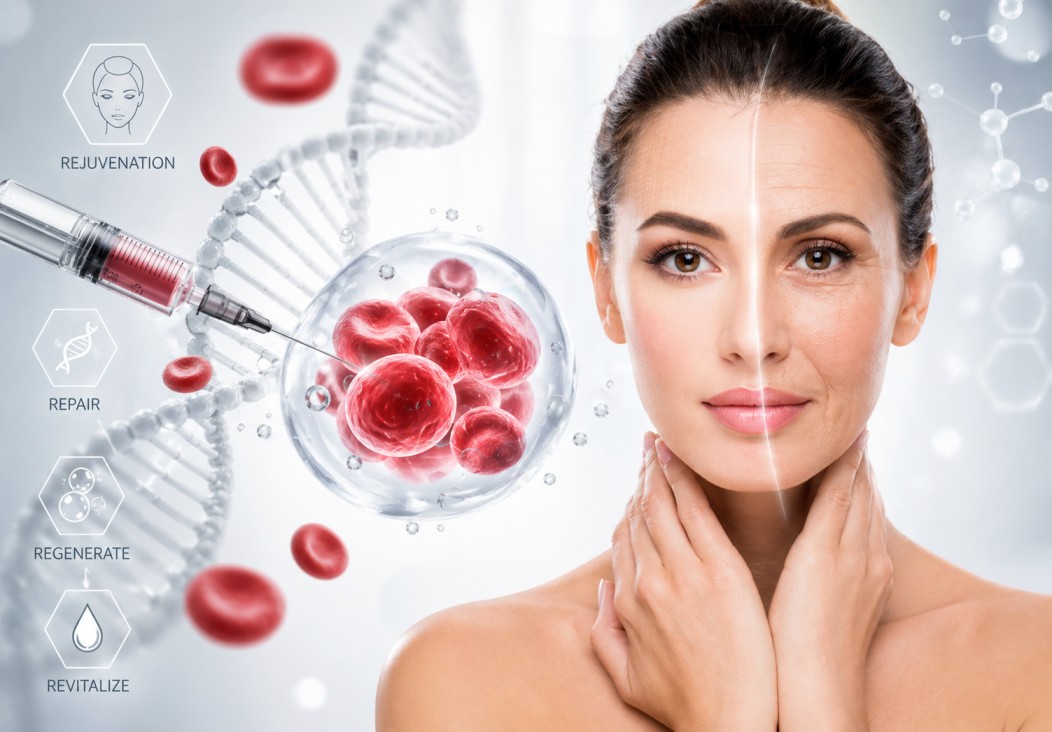
Platelet-rich plasma is an autologous concentration of platelets and growth factors derived from a small sample of the patient’s blood. PRP injections aim to deliver growth factors—such as PDGF and VEGF—to the scalp to stimulate cellular activity in the hair follicle and improve blood supply. Most randomized and observational studies report improvements in hair density and thickness in cases of androgenetic (pattern) hair loss where follicles are miniaturized but still present.
Why PRP has limits for complete baldness
Biological limitation
PRP requires existing hair follicle structures to act on. If a scalp area is completely bald because follicles have been permanently destroyed or replaced by scar tissue (for example, extensive scarring alopecia or long-standing Norwood 7 pattern where follicles are absent), there are no target structures for PRP to revive.
Clinical evidence and consensus
Dermatology and hair restoration societies note that PRP shows benefit as an adjunctive treatment for early-to-moderate hair loss but is not a standalone solution for complete baldness. Organizations such as the American Academy of Dermatology and the International Society of Hair Restoration Surgery discuss PRP as a supportive option, not a cure for advanced follicle loss.
PRP Suitability Checklist (named framework)
Use the PRP Suitability Checklist before considering therapy:
- Diagnosis confirmed (e.g., androgenetic alopecia vs scarring alopecia)
- Presence of miniaturized but visible follicles on dermoscopy
- Realistic expectations discussed with clinician (improvement vs restoration)
- No active scalp infection or uncontrolled health conditions
- Consideration of adjuncts (topicals, oral therapy, or transplant)
Real-world scenario
Scenario: A 45-year-old with diffuse thinning and visible miniaturized hairs (not complete baldness) undergoes three monthly PRP sessions combined with topical minoxidil. After six months, hair density and thickness improved on treated areas. In contrast, a 60-year-old with long-standing Norwood 7 pattern and no visible follicles receives PRP alone and notices no meaningful regrowth. This contrast illustrates that PRP's effect depends on the presence of salvageable follicles.
Alternatives and next steps for complete baldness
When PRP is unlikely to help, options include surgical hair restoration (follicular unit transplantation or extraction), scalp micropigmentation, or wigs and prosthetics. Combining treatments—such as hair transplant with PRP used to support graft survival—can be appropriate in selected cases.
Practical tips for anyone considering PRP or other treatments
- Obtain a clear diagnosis from a board-certified dermatologist or hair restoration surgeon; misdiagnosis is common.
- Ask for dermoscopic images or trichoscopy to document whether follicles remain before choosing PRP.
- Discuss expected outcomes and costs; PRP typically requires multiple sessions and maintenance treatments.
- If transplant is considered, evaluate donor hair quality and scalp laxity; PRP can be discussed as an adjunct to improve graft take.
- Request peer-reviewed evidence or clinic outcome data rather than anecdotal before-and-after photos alone.
Common mistakes and trade-offs
Common mistakes
- Assuming PRP can regenerate new follicles where none exist.
- Relying solely on marketing claims instead of clinical assessment and published evidence.
- Skipping a biopsy or trichoscopy when scarring alopecia might be present.
Trade-offs to consider
PRP is low-risk and nonsurgical but offers modest gains when follicles are present. Hair transplant is more invasive and costly but can provide definitive coverage for permanent bald areas using donor follicles. Scalp micropigmentation provides a cosmetic solution without biological regrowth. Combining methods increases complexity, cost, and recovery time but may improve aesthetic outcomes.
Related terms and entities
Related concepts include platelet-derived growth factor (PDGF), vascular endothelial growth factor (VEGF), androgenetic alopecia, scarring alopecia, follicular unit extraction (FUE), hair transplant, minoxidil, finasteride, and scalp micropigmentation. Professional bodies: American Academy of Dermatology (AAD), International Society of Hair Restoration Surgery (ISHRS).
Core cluster questions
- How effective is PRP for early-stage androgenetic alopecia?
- Can PRP be combined with hair transplant to improve results?
- What does dermoscopy reveal about PRP candidacy?
- How many PRP sessions are typically needed for measurable improvement?
- What medical conditions affect PRP effectiveness for hair loss?
References and guidance
For general guidance on diagnosing hair loss and treatment options, refer to the American Academy of Dermatology's patient resources on hair loss for evidence-based guidance and referral resources: American Academy of Dermatology - Hair Loss.
FAQ
Does PRP therapy for complete baldness actually regrow hair?
No. In areas where hair follicles are permanently absent, PRP cannot regrow hair because it stimulates existing follicles rather than creating new ones. PRP may improve density where follicles are dormant or miniaturized.
How long until PRP results appear if hair follicles are salvageable?
Visible improvement usually takes 3–6 months after an initial series of treatments, with periodic maintenance. Outcomes vary based on age, underlying condition, and concurrent therapies.
Can PRP be used with hair transplant surgery?
Yes. PRP is sometimes used during or after hair transplant to support graft survival and reduce postoperative healing time, but it does not replace the need for donor follicles.
What conditions make someone a poor candidate for PRP?
Complete absence of follicles (e.g., advanced scarring alopecia), uncontrolled medical conditions, active scalp infection, or a lack of donor hair for future transplant are common contraindications or limiting factors.
What are reasonable next steps if PRP is unlikely to help?
Consider evaluation for hair transplant candidacy, scalp micropigmentation for cosmetic improvement, or non-surgical options. Obtain a specialist assessment and documented scalp imaging before proceeding.