Local Door-to-Door Freight Services: A Practical Logistics Guide for SMEs
-

- March 13th, 2026
- 148 views

FREE SEO Topical Map Generator: Find Your Next Content Ideas
Door-to-Door Freight Services: A Practical Guide for SMEs
Understanding door-to-door freight services is essential for any small or medium-sized enterprise (SME) that ships goods locally or regionally. This guide explains how door-to-door freight services work, how they differ from other local logistics solutions, and what SMEs should inspect in contracts and pricing before committing. The term "door-to-door freight services" appears here intentionally to frame the concrete, actionable guidance that follows.
Key points: door-to-door freight services move goods from the seller’s premises to the buyer’s address, handling pickup, transit, and final delivery. Use the LOCAL-FREIGHT checklist to compare quotes, verify insurance and transit times, and plan last-mile handling. Detected intent: Informational.
How door-to-door freight services work
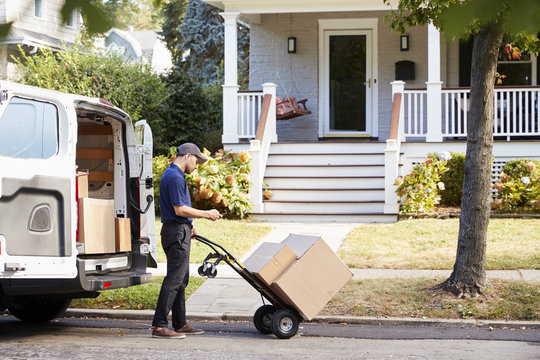
Door-to-door freight services coordinate the full movement of goods from the shipper’s location to the consignee’s location. Typical components include pickup scheduling, consolidation or direct transit, customs clearance when relevant, and final delivery or liftgate service. These services can be arranged as full truckload (FTL), less-than-truckload (LTL), or parcel/express depending on shipment size and urgency.
Key terms and related concepts
- Last-mile delivery — the final leg of delivery from local distribution point to the receiver.
- Third-party logistics (3PL) — an outsourced provider managing warehousing and transportation.
- Freight forwarder — arranges international carriage but can also offer door-to-door options.
- Palletized freight, courier, LTL/FTL — common shipment formats and service categories.
Choosing a local logistics model: trade-offs and options
Comparing logistics choices helps balance cost, speed, and reliability. For SMEs, two practical routes often appear: using specialized door-to-door freight services (either directly with carriers or via a broker) or managing pickup and last-mile delivery with local couriers.
Trade-offs and common mistakes
- Cost vs. speed: Express door-to-door services reduce transit time but raise costs. LTL consolidations save money but increase transit complexity and handling risk.
- Control vs. convenience: Handling logistics in-house offers control over packaging and timing, but outsourcing door-to-door services reduces administrative overhead.
- Under-insuring shipments: A frequent mistake is assuming basic carrier liability covers full replacement value. Verify declared value and optional insurance options.
- Ignoring accessorial fees: Liftgate, curbside vs. threshold delivery, residential surcharges, and appointment windows can add substantial costs if not checked in quotes.
LOCAL-FREIGHT Checklist (named framework)
An actionable checklist to compare door-to-door freight services. Use this during vendor selection or when reviewing quotes.
- Load details: weight, dimensions, pallet configuration, and hazardous materials declaration if any.
- Options: LTL vs. FTL vs. parcel; include transit time and delivery windows.
- Costs: base freight + accessorials (liftgate, residential, inside delivery), fuel surcharge, and handling fees.
- Liability & Insurance: carrier liability limits, declared value, and recommended insurance top-ups.
- Freight documentation: bill of lading, tracking, proof of delivery, and claims process timeline.
- Routing & consolidation: single carrier vs. brokerage consolidation and potential cross-docking stops.
- Execution: pickup scheduling, communication protocols, and escalation contacts for exceptions.
Practical example: a bakery’s regional deliveries
A regional bakery ships packaged baked goods to five local retail stores each morning. Switching from a courier service to a door-to-door LTL provider reduced per-stop cost by consolidating palletized loads, but required investment in standardized pallet packing and a scheduled morning pickup window. The bakery documented the LOCAL-FREIGHT Checklist items in vendor contracts to avoid residential delivery surcharges and to confirm temperature-control handling when needed.
Cost drivers and pricing clarity
Major variables that affect quotes include distance, shipment density, pallet count, accessorial services, and fuel surcharges. For estimates, request a line-item quote that separates base freight from accessorials so the exact cost impact of liftgate, waiting time, or residential delivery can be seen. This is especially important when evaluating local logistics solutions for SMEs that need predictable margins.
Verifying carrier reliability
- Check carrier authority and registration for road transport where applicable; for U.S. operations, carriers must comply with Federal Motor Carrier Safety Administration rules.
- Confirm tracking and proof-of-delivery tools — digital POD reduces disputes.
- Ask for references or sample KPIs: on-time delivery rate, claims frequency, and average transit times.
Core cluster questions
- What are the costs included in door-to-door freight quotes?
- How to choose between LTL, FTL, and parcel for small shipments?
- What insurance and liability options protect SMEs during transit?
- How to reduce last-mile delivery costs without harming customer experience?
- What documentation is required for local vs. cross-border door-to-door shipments?
Practical tips for SMEs (actionable)
- Standardize packaging and pallet configurations to lower handling time and dispute risk.
- Request sample quotes for typical routes and volumes, and compare line-item costs rather than a single price.
- Negotiate a short-term trial with defined KPIs (on-time delivery, damage rate) before committing to long contracts.
- Use tracking and digital proof-of-delivery to speed claims and customer communications.
- Review accessorials closely—liftgate and residential fees are common hidden costs for small-business deliveries.
Regulatory and compliance notes
Local freight operations must comply with national and regional rules on vehicle safety, weight limits, and hazardous materials transport. For guidance on transportation and logistics best practices for small businesses, refer to official resources such as the U.S. Small Business Administration's transportation and logistics pages for regulatory and planning information: SBA transportation and logistics.
Common mistakes when using door-to-door freight services
- Accepting an all-inclusive quote without reviewing accessorial conditions.
- Failing to declare shipment value or buy sufficient insurance.
- Assuming the cheapest carrier will meet on-time delivery requirements during seasonal peaks.
- Poor packaging that increases damage risk during transfers and last-mile handling.
Measuring success and scaling logistics
Track KPIs such as on-time delivery rate, damage/claims rate, cost per shipment, and average transit time. Use these data points to decide whether to keep using door-to-door freight services, move to a hybrid model combining local couriers for urgent last-mile tasks, or partner with a 3PL for warehousing and multi-stop routing.
Frequently asked questions
What are the core benefits of door-to-door freight services for SMEs?
Door-to-door freight services reduce administrative burden, simplify scheduling, and provide a single point of responsibility for pickup-to-delivery. For SMEs, these services can lower handling complexity and enable predictable routing when volumes justify consolidation.
How to compare door-to-door freight services vs. local couriers?
Compare on price-per-shipment, transit time, tracking reliability, and accessorials. Couriers often win on speed for small parcels; door-to-door freight services win on cost and handling for palletized or bulk regional shipments.
Are there hidden fees in door-to-door freight services?
Yes—accessorial fees (liftgate, residential delivery, inside delivery), reconsignment charges, and waiting-time fees are common. Always request an itemized quote and check terms for each potential extra.
How should an SME insure goods shipped with door-to-door freight services?
Check carrier liability limits, declare full shipment value when appropriate, and consider third-party freight insurance for high-value or high-risk items to cover the gap between carrier liability and replacement cost.
How can SMEs optimize last-mile freight for small businesses?
Consolidate deliveries where possible, pre-book delivery windows, and use clear labeling and standardized packaging to reduce handling time. For consumer-facing deliveries, offer scheduled delivery windows or pick-up points to cut failed-delivery costs.