Practical Guide: Chatbot Services for Marketing Agencies to Elevate CX
-

- March 16th, 2026
- 179 views
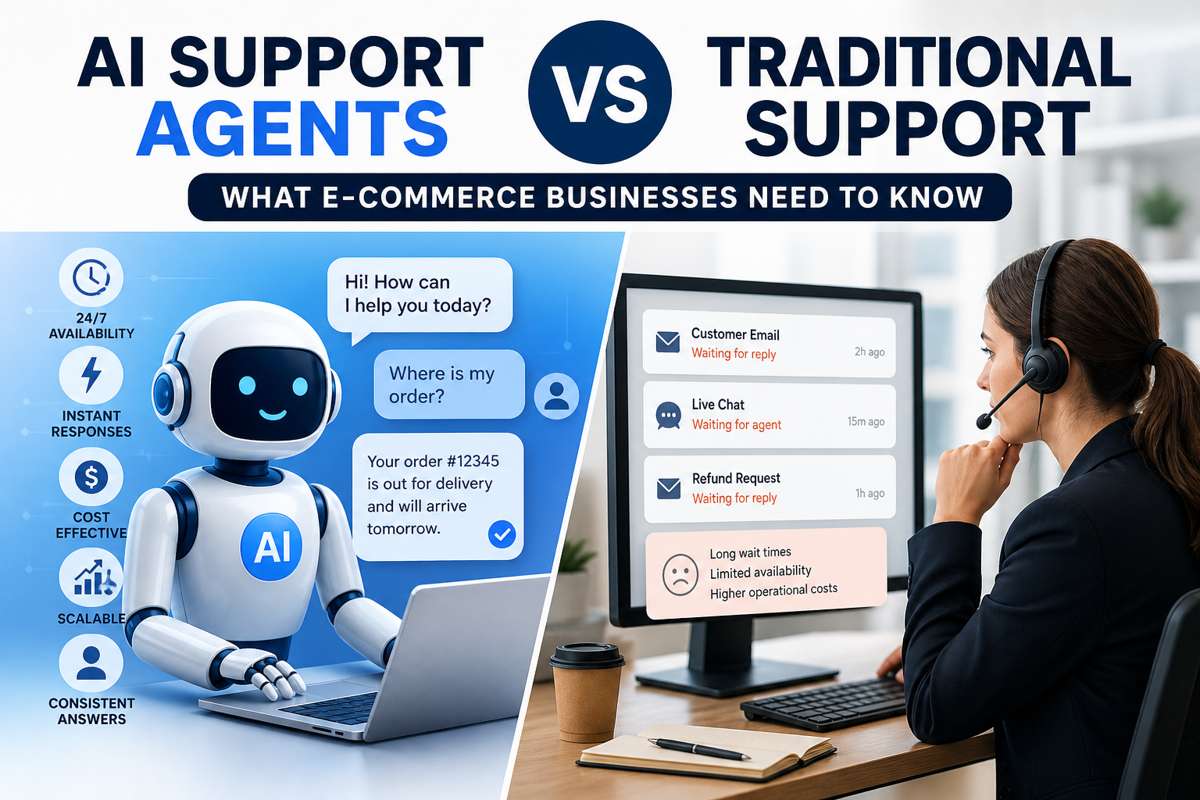
Chatbot services for marketing agencies are a practical way to scale personalized interactions, qualify leads faster, and reduce response times across campaigns. This guide explains concrete steps, trade-offs, and measurable outcomes so agency teams can plan, launch, and optimize chatbots that genuinely improve customer experience.
Use conversational design, data integration, and a repeatable framework to deploy chatbots that handle common tasks (lead qualification, appointment booking, FAQs) while escalating complex queries to humans. This reduces cost-per-lead and improves response SLAs.
Intent: Informational
chatbot services for marketing agencies: what they do and why they matter
Chatbot services for marketing agencies combine conversational AI, scripted flows, and CRM integration to automate prospect interactions across websites, social media, and messaging platforms. Typical functions include lead capture, pre-qualification, campaign routing, appointment scheduling, and basic customer support. When implemented with clear goals and measurement, chatbots can shorten sales cycles and raise engagement without replacing human expertise.
Core capabilities and related terms
Key capabilities include natural language understanding (NLU), intent classification, entity extraction, context management, analytics, and third-party integrations. Related terms and entities: conversational AI, virtual assistants, NLP, live chat, CRM, lead scoring, omnichannel messaging, and fallback escalation to agents.
CHATFLOW framework: a checklist to deploy effective chatbots
The CHATFLOW framework is a practical checklist agencies can follow during planning and rollout:
- Context: Define the chatbot's scope (sales, support, onboarding).
- Hook: Design the opening message and value proposition for users.
- Ask: Build qualification questions and necessary data points.
- Transfer: Plan clear escalation paths to human agents and channels.
- Fallback: Create safe fallback responses and logging for model errors.
- Link: Integrate with CRM, analytics, and marketing automation tools.
- Optimize: Set KPIs and iterate flows based on analytics.
- Watch: Monitor performance, compliance, and accessibility.
Real-world example: qualifying leads for a mid-size agency
Scenario: A mid-size digital marketing agency added a website chatbot to qualify PPC and organic traffic leads. The bot followed a 3-question flow (budget range, timeline, project type) and pushed qualified leads to the agency's CRM with a confidence score. Results in three months: 40% faster lead handoff, 25% increase in meetings booked, and clearer prioritization for the sales team. The bot routed high-value prospects to human follow-up while handling basic questions automatically.
Practical tips for marketing agencies
- Define success metrics before launch: lead-to-meeting rate, resolution time, bot containment rate, and conversational NPS.
- Start with templated flows for the top 10 use cases (pricing, booking, FAQs) and expand from analytics.
- Integrate with the CRM and marketing automation to ensure captured data triggers workflows and attribution.
- Use short, goal-oriented questions to qualify leads—avoid long multi-part forms in chat format.
- Monitor privacy and data permissions; design forms and data storage to meet applicable regulations.
Common mistakes and trade-offs
Common mistakes
- Over-automating: trying to make the bot handle every scenario before human fallback is ready.
- Poor measurement: tracking impressions instead of outcome metrics like conversion or lead quality.
- Ignoring context: not carrying previous session or CRM data into the conversation, which frustrates repeat visitors.
Trade-offs to consider
Using advanced NLU improves understanding but increases setup and training time. Scripted flows are faster to deploy but less flexible for ambiguous queries. Prioritizing containment lowers human workload but can reduce customer satisfaction if escalation paths are unclear. Balance is required: start with scripted flows for high-value tasks and add NLU where ambiguity is common.
Accessibility, compliance, and standards
Design chatbots to meet accessibility standards and follow guidelines for conversational interfaces. For accessibility best practices and standards, see the W3C Web Content Accessibility Guidelines (WCAG) for authoritative guidance on inclusive design. W3C WCAG
How to measure success and iterate
Track a mix of operational and business KPIs: containment rate, average handle time (for escalations), conversion rate from chat to meeting, cost per qualified lead, and user satisfaction. Implement A/B testing for opening messages and qualification flows. Use session transcripts to identify intent gaps and update the CHATFLOW checklist iteratively.
Core cluster questions
- How to design chatbot flows that improve conversion?
- What metrics should agencies track for chatbot performance?
- How to integrate chatbots with CRM and marketing automation platforms?
- When should conversational AI replace scripted chat flows?
- What are best practices for chatbot data privacy and compliance?
Related search phrases to use in content and headings
conversational AI for agencies, chatbot integration for marketing platforms, virtual assistant design, lead qualification chatbot, CRM chatbot connector.
FAQ
How can chatbot services for marketing agencies improve lead qualification?
Chatbots standardize the initial qualification questions, capture structured data, and apply simple scoring rules before pushing leads to the CRM. This reduces manual triage time and ensures sales teams receive consistent, prioritized leads.
What is the difference between conversational AI for agencies and traditional scripted bots?
Scripted bots follow predetermined flows and are quick to deploy; conversational AI uses NLU to interpret free-text inputs and handle a wider range of queries, requiring more training data and monitoring.
How should a chatbot be integrated with marketing platforms and CRMs?
Integrate via APIs or native connectors so captured data populates the CRM, triggers marketing automation sequences, and records attribution for campaigns. Ensure robust error handling and logging for failed deliveries.
What KPIs show a chatbot is delivering value to agency clients?
Track qualified leads generated, meetings scheduled through chat, decrease in average response time, containment rate, and post-interaction satisfaction scores.
How often should chatbot flows be updated?
Update flows monthly based on analytics and after major campaigns. Use conversation transcripts and intent mismatch reports to identify gaps weekly. Continuous small improvements outperform infrequent large rewrites.