Complete Home Remodel in Houston: Step-by-Step Guide & Checklist
-

- Published Updated
- 980 views
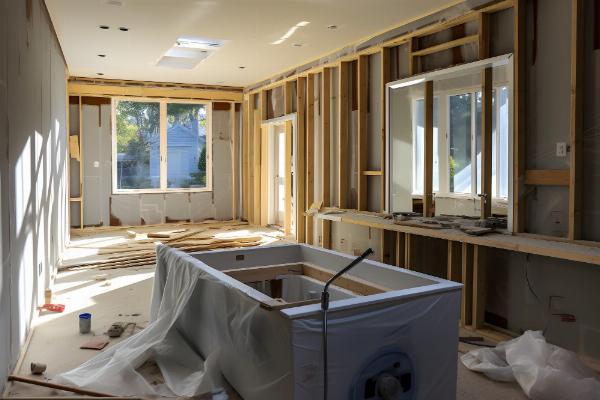
Planning a complete home remodel in Houston starts with a clear roadmap that covers permits, code compliance, budgeting, contractor selection, and inspections. This guide outlines the essential steps to reduce delays, control costs, and deliver a compliant, high-quality whole-house renovation.
Detected dominant intent: Procedural
Primary focus: practical, step-by-step actions for a successful complete home remodel in Houston, including a named 7-step framework, a short real-world example, and a checklist for permits and inspections.
Complete home remodel in Houston: step-by-step roadmap
Use a structured approach to avoid common pitfalls in a whole-house renovation: assess the property, obtain required permits, hire the right professionals, manage the budget and timeline, and complete code-compliant inspections. The roadmap below follows a practical 7-step framework designed for Houston's regulatory and climate conditions.
HOUSTON REMODEL 7-STEP FRAMEWORK
- 1. Assessment & Goal Setting — Define scope, must-haves, and energy goals.
- 2. Permits & Code Review — Confirm required permits and local code triggers.
- 3. Design & Engineering — Produce construction drawings, structural and MEP plans.
- 4. Budgeting & Contractor Selection — Get itemized bids and verify licensing/insurance.
- 5. Procurement & Scheduling — Order long-lead items and set milestone dates.
- 6. Construction & Quality Control — Follow inspections, change-order discipline, and on-site coordination.
- 7. Final Inspections & Closeout — Obtain certificates of occupancy or final approvals and document warranties.
Permits, codes, and inspections in Houston
Determine required Houston remodeling permits
Most complete home remodels trigger multiple permit types: building, electrical, plumbing, mechanical (HVAC), and sometimes structural or floodplain-related approvals. Start permit planning early because review times affect the schedule. For official guidance and permit forms, consult the City of Houston Permitting Center: Houston Permitting Center.
Compliance and standards bodies
Local enforcement typically references the International Building Code and associated International Code Council (ICC) standards for structural, electrical and energy requirements. For HVAC and energy performance, consult relevant state and local energy codes when specifying equipment and insulation.
Budgeting, financing, and timeline management
Budget breakdown and contingencies
A realistic budget for a whole-house renovation in Houston should include: contractor labor and overhead, materials, design and engineering fees, permit and inspection fees, utility reconnections, and a contingency reserve (typically 10–20%). For larger structural work or historic homes, raise the contingency to 20–30% to allow for unknowns.
Schedule and milestone planning
Develop a milestone-driven timeline: demolition, rough-in (structure, MEP), inspections, insulation and drywall, finishes, and final punch-list. Lock long-lead items (windows, specialty appliances, custom cabinetry) early to prevent schedule slippage.
Selecting contractors and specialists
How to evaluate bids and credentials
Request itemized bids, proof of licensing, insurance certificates, references, and a written scope with clear change-order procedures. Include a structural engineer for load-bearing changes and an architect or designer when layouts or historic elements are involved.
Common mistakes when hiring
- Choosing solely on lowest price without verifying scope or quality.
- Skipping written contracts or vague scopes that invite change-order disputes.
- Not confirming contractor familiarity with Houston code and local inspections.
Design, materials, and systems for Houston climates
Durability and energy choices
Specify materials and systems that handle Houston heat, humidity, and occasional severe weather: moisture-resistant sheathing, high-efficiency HVAC sized for cooling load, proper attic ventilation, and sealed envelopes to reduce mold risk. Consider energy-efficiency upgrades that can reduce operating costs long-term.
Core cluster questions
- How much does a complete home remodel in Houston typically cost per square foot?
- Which permits are required for a whole-house renovation in Houston?
- How long does a complete home remodel take in Houston from design to move-in?
- What should be included in a Houston home remodeling checklist for inspections?
- When is a structural engineer required for a Houston remodel?
Practical checklist and tips
Houston home remodeling checklist (select items)
- Define full scope and produce preliminary budget.
- Confirm floodplain, HOA, and historic-district restrictions.
- Obtain required permits: building, electrical, plumbing, mechanical.
- Hire design professionals and structural engineer if removing load-bearing walls.
- Schedule inspections at framing, rough-in, insulation, and final stages.
Practical tips
- Get permits before work starts to avoid stop-work orders and costly rework.
- Use an itemized contract and require lien waivers to protect against subcontractor claims.
- Order long-lead items once design is complete to align with construction milestones.
- Allocate contingency funds and document all change orders with costs and schedule impact.
Trade-offs and common mistakes
Common mistakes
- Underestimating the time required for permit review and inspections.
- Skipping engineering for structural changes, leading to unsafe installations or failed inspections.
- Ignoring moisture control and ventilation, causing mold or premature material failure in Houston's climate.
Trade-offs to consider
Higher upfront costs for energy-efficient HVAC or durable exterior materials increase resale value and reduce long-term operating costs, but raise initial budget. Choosing faster timelines with multiple crews can shorten duration but increase on-site coordination needs and potential quality trade-offs. Balance priorities—budget, timeline, and finished quality—before starting.
Real-world example
Scenario: A 1950s bungalow in the Houston Heights required a complete remodel to add an open-plan kitchen, replace HVAC, and update electrical and plumbing. Following the 7-step framework, the project began with a structural assessment and permit package. The homeowner budgeted 15% contingency, chose an experienced general contractor, and scheduled inspections at framing and rough-in. Result: project completed in 7 months with a final cost within contingency, and all final inspections passed on first re-submission after a single code clarification.
FAQ
How long does a complete home remodel in Houston usually take?
Typical timelines range from 4 to 12 months depending on scope. Simple whole-house cosmetic updates may be finished in 3–6 months; structural changes, additions, or projects needing historic review can take longer due to design, permitting, and inspection timelines.
What permits are required for a whole-house renovation in Houston?
Common permits include building, electrical, plumbing, and mechanical. Structural changes, additions, or work in floodplains may require additional approvals. Consult the local permitting center early to identify specific requirements for the property.
What should be included in a Houston home remodeling checklist before construction starts?
Items should include scope definition, budget with contingency, verified contractor credentials, completed design documents, ordered long-lead items, and submitted permit applications. Also confirm HOA or historic-district approvals if applicable.
When is a structural engineer required for a Houston remodel?
A structural engineer is required when altering load-bearing walls, changing foundations, adding stories, or modifying roof structures. Many jurisdictions and permit reviewers will require engineered drawings for these changes to pass plan review and inspection.
How can inspections and final approval be expedited in Houston?
Submit complete, code-compliant plans; respond promptly to reviewer comments; schedule inspections in advance; and use licensed trade contractors who understand local code to reduce re-inspection needs. Early coordination with the permitting office helps avoid common delays.