Safe, Practical Guide to Skin Whitening Injections: Risks, Evidence, and What to Ask
-
- March 05th, 2026
- 432 views

Get a free topical map and start building content authority today.
Detected intent: Informational
Skin whitening injections are marketed as a fast route to lighter skin tone, but safety, regulation, and evidence vary sharply by ingredient and provider. This guide explains how skin whitening injections work, the known risks, regulatory context, safer alternatives, and a practical S.A.F.E.R. checklist to evaluate options before consenting to treatment.
- Effectiveness: Limited high-quality evidence supports injectable skin lightening; some agents show short-term changes but also serious risks.
- Common agents: glutathione, tranexamic acid, injections marketed as "vitamins" or mixed cocktails—many are unapproved for skin lightening.
- Major risks: infection, allergic reaction, organ toxicity, unregulated ingredients, and paradoxical hyperpigmentation.
- Checklist: Use the S.A.F.E.R. checklist to screen providers and products before treatment.
What are skin whitening injections and how do they claim to work?
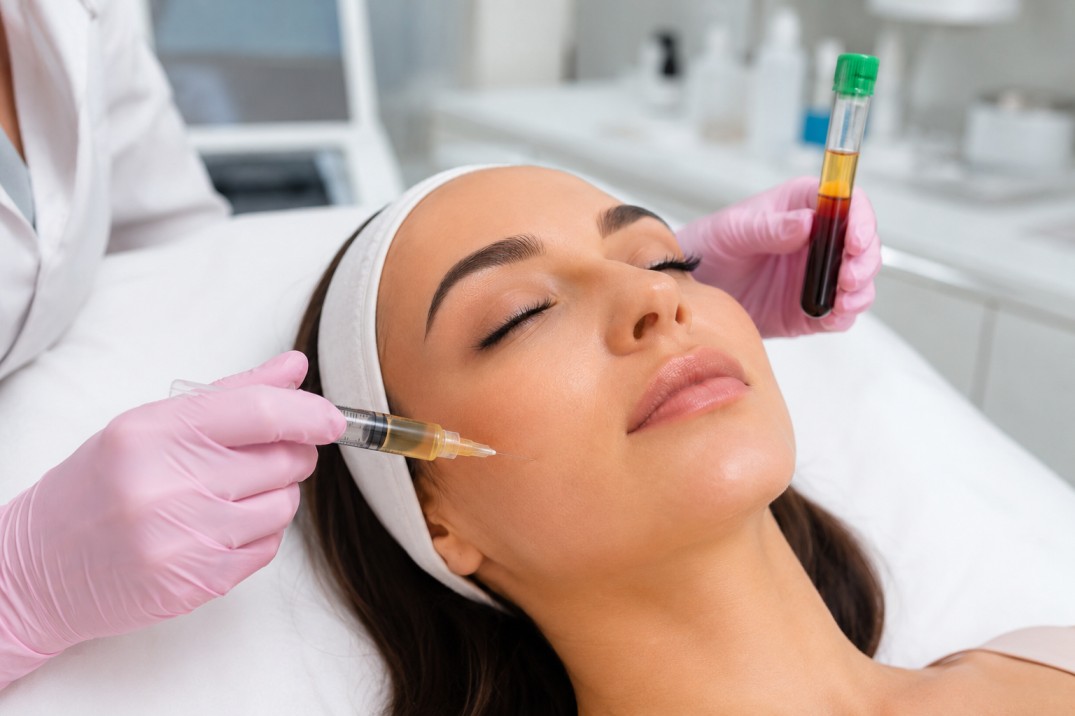
The term skin whitening injections covers several injectable preparations intended to reduce melanin production or lighten skin tone. Commonly discussed substances include glutathione (an antioxidant), tranexamic acid (an antifibrinolytic with off-label topical/injectable uses), and unregulated cocktails that may contain steroids, vitamins, or unknown additives. Mechanisms claimed include inhibiting melanogenesis, altering melanin distribution, or increasing antioxidant activity in skin.
Evidence and clinical effectiveness
The body of rigorous clinical trials for many injectable agents is small. Some small studies report transient lightening with repeated glutathione or tranexamic acid injections, but results are inconsistent and often short-lived. No widely used injectable for skin lightening has strong, long-term safety and efficacy data comparable to approved topical therapies or procedural dermatology options (chemical peels, lasers) when used appropriately.
Related terms and substances
- Glutathione
- Tranexamic acid (TXA)
- Steroid-containing mixtures
- Topical hydroquinone, kojic acid, azelaic acid
- Melanin, melanogenesis, tyrosinase inhibitors
Safety, regulation, and known risks
Injectable skin lightening products are often unregulated or used off-label; regulatory status varies by country. Many injections are offered in non-medical settings. Known and potential harms include:
- Local infection, abscess, or septicemia from non-sterile technique
- Allergic reactions or anaphylaxis
- Kidney or liver injury with repeated systemic exposure
- Unknown contaminants or undisclosed drugs in unregulated cocktails
- Paradoxical hyperpigmentation or uneven results
Regulatory agencies issue warnings about unapproved or hazardous skin-lightening products; for example, the U.S. Food and Drug Administration publishes guidance on problematic ingredients in cosmetic products and should be consulted for official safety information: FDA: Hydroquinone and related guidance.
The S.A.F.E.R. checklist (practical framework for evaluation)
A named checklist speeds decision-making. The S.A.F.E.R. checklist helps screen any proposed skin whitening injection.
- Source: Verify the provider is a licensed medical professional with credentials and clinic registration.
- Agent: Request full ingredient list, batch numbers, and manufacturer information; decline treatments with unknown mixes.
- Formulation & testing: Ask for sterility, expiry dates, and documented lab testing or approvals for the formulation.
- Explain risks: Ensure informed consent covers known and unknown risks, alternatives, and follow-up plans.
- Records & follow-up: Get written records of injections, lot numbers, and a plan for post-procedure monitoring and reporting adverse events.
Practical steps before considering injections
Follow these actionable tips to lower risk and improve decision quality:
- Ask for formal identification of the practitioner and verification of medical license.
- Request a written ingredient list and decline treatments where components are undisclosed.
- Insist on procedures in a clinical setting using single-use sterile supplies.
- Obtain baseline blood tests where systemic agents will be repeatedly used (liver, kidney function) and schedule follow-up labs.
- Explore less invasive, evidence-based alternatives (topical regimens, sun protection, dermatologic procedures) before injectables.
Short real-world example
A 34-year-old person sought glutathione injections from a spa to reduce facial pigmentation. Using the S.A.F.E.R. checklist revealed the spa used multi-component vials with no manufacturer label and the injector was not a licensed physician. The appointment was declined; instead, a dermatologist recommended a topical regimen (azelaic acid plus sunscreen) and a single supervised tranexamic acid topical/laser option. This avoided potential systemic toxicity and provided a documented, safer plan.
Alternatives to injectable skin whitening
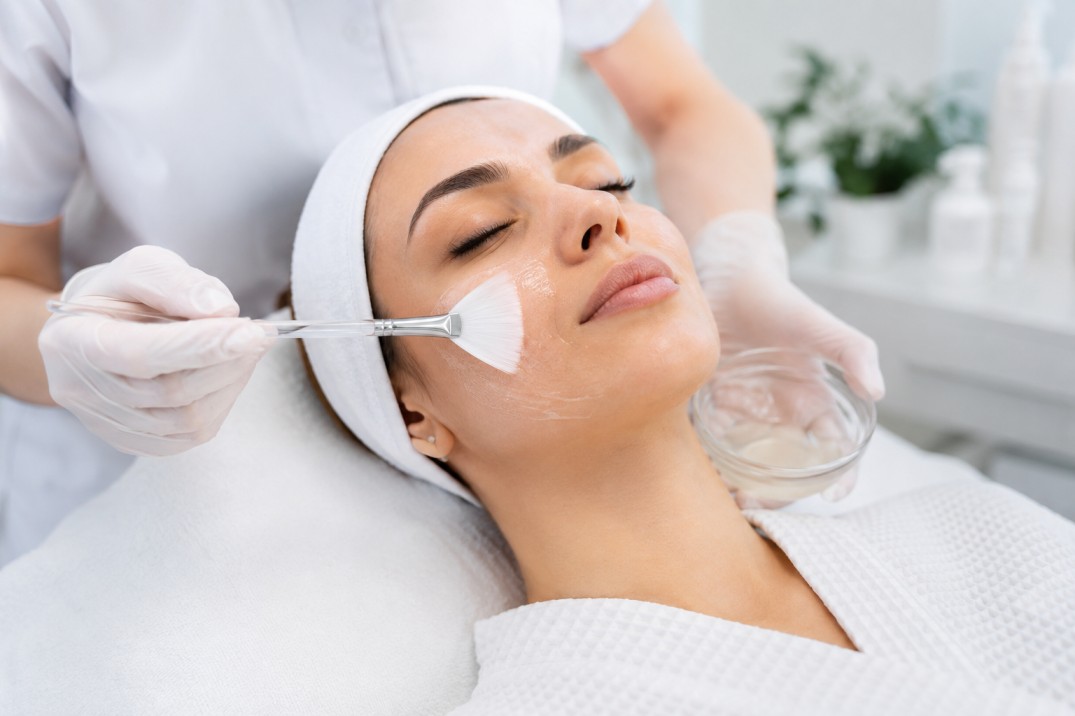
Consider evidence-based alternatives before injections. Topical agents (hydroquinone under prescription in some jurisdictions, azelaic acid, retinoids), strict sun protection, chemical peels, and targeted laser treatments performed by board-certified dermatologists often offer more predictable outcomes and known safety profiles when used properly.
Common mistakes and trade-offs
Common mistakes
- Assuming "natural" or expensive products are safer—cost and natural labeling are not proxies for safety.
- Using non-medical or mobile providers with no sterile environment.
- Expecting permanent results; many agents require maintenance dosing with cumulative risks.
- Combining unapproved topicals and injectables without professional oversight, increasing complication risk.
Trade-offs to weigh
- Speed vs. safety: Quick results from unregulated injections often come with higher risk and uncertain long-term effects.
- Cost vs. oversight: Cheaper, informal options may save money upfront but lack medical safeguards and post-treatment support.
- Local vs. systemic effects: Topical options target skin with lower systemic exposure; injectables can produce systemic exposure with greater potential organ toxicity.
Core cluster questions for further reading and internal linking
- What are the medical risks of injectable glutathione for skin lightening?
- How does tranexamic acid compare to topical therapies for hyperpigmentation?
- What lab tests should be done before and after skin lightening injections?
- Which regulated alternatives to injections are effective for melasma and hyperpigmentation?
- How to report adverse events from cosmetic injections to health authorities?
Regulatory and reporting resources
Report adverse events to local health authorities and consumer safety organizations. When products are branded as cosmetics, national regulatory agencies oversee safety and labeling; verify approvals and search public databases for recalls and safety alerts.
How to decide: a short decision flow
Step 1: Identify the active ingredient and ask for evidence. Step 2: Confirm licensed medical oversight. Step 3: Use the S.A.F.E.R. checklist. Step 4: Prioritize alternatives with stronger evidence or request supervised clinical trial enrollment if available.
Practical tips (3–5 actionable points)
- Always get a written ingredient list and decline treatment if components are undisclosed.
- Insist on seeing a licensed physician and verifying clinic sterilization procedures before any injection.
- Request baseline and follow-up blood tests for repeated systemic injections (liver, kidney panels).
- Document lot numbers and receipts; report adverse reactions to health authorities promptly.
FAQ
Are skin whitening injections effective?
Evidence of effectiveness is limited and mixed. Small studies suggest short-term lightening with some agents, but consistent, long-term safety data are lacking. Consider alternatives with stronger evidence.
What are the main risks of skin whitening injections?
Risks include infection from non-sterile injections, allergic reactions, organ toxicity from systemic exposure, and unknown contaminants in unregulated mixtures.
Who should perform skin whitening injections?
Licensed medical professionals (dermatologists or physicians trained in cosmetic procedures) in accredited clinical settings with documented consent and follow-up care should perform any medically indicated injectable treatments.
How to check if a product or injection is regulated?
Request manufacturer name, batch number, and regulatory approval documentation. Check national regulatory agency databases and published safety alerts; if documentation is missing, decline the treatment.
Do skin whitening injections cause permanent skin lightening?
Many injectable approaches produce temporary or partial changes that may require ongoing treatment. Permanent effects are neither guaranteed nor commonly supported by high-quality evidence; maintenance dosing increases cumulative risk.
Everything you need to know about skin whitening injections?
Comprehensive understanding requires caution: confirm ingredients, provider credentials, sterility, and follow-up. Use the S.A.F.E.R. checklist and prioritize proven, lower-risk alternatives. If adverse events occur, report them to local health authorities immediately.