Practical Guide to Skin Rejuvenation Technology in Muscat: Options, Safety, and What to Expect
-

- March 07th, 2026
- 495 views
Interest in skin rejuvenation technology in Muscat has grown as clinics introduce lasers, radiofrequency devices, microneedling, and biologic therapies to the local market. This guide explains the main technologies, regulatory and safety considerations, and how to make a practical, informed choice.
- Primary focus: current and emerging skin rejuvenation technology in Muscat and how to evaluate options.
- Includes a named readiness checklist, trade-offs, a short real-world scenario, and 5 core cluster questions for follow-up research.
- Detected intent: Informational
Overview: What "skin rejuvenation technology in Muscat" covers
Skin rejuvenation technology in Muscat refers to clinical and non-clinical procedures available locally—laser resurfacing (fractional and ablative), intense pulsed light (IPL), radiofrequency (RF) microneedling, platelet-rich plasma (PRP), chemical peels, dermal fillers, and energy-based devices for tightening. Clinics vary by equipment, practitioner training, and post-care protocols.
How the market is evolving and what to watch
Trends include a shift toward combination therapies (for example, microneedling plus PRP), lower-downtime fractional lasers, and devices with real-time temperature or optical feedback. Expect platforms that promise fewer sessions and quicker recovery, but clinical results still depend on practitioner skill, proper patient selection, and follow-up care.
Regulation, standards, and safety
Device quality and operator competency are critical. Regulatory oversight in Oman involves the Oman Ministry of Health; internationally recognized guidance on medical devices and safety comes from agencies like the U.S. Food and Drug Administration (FDA). For device approvals and safety statements, see the FDA's medical devices pages (FDA — medical devices). Choosing a clinic with documented device maintenance and practitioner training reduces risk.
Core cluster questions for local research and internal linking
- What are the most effective non-ablative lasers for mild photoaging?
- How do recovery times compare between fractional CO2 and RF microneedling?
- What credentials should a practitioner have for energy-based treatments in Oman?
- Which combination therapies (e.g., PRP + microneedling) show consistent evidence for skin texture improvement?
- How to manage expectations and realistic outcomes for pigmentation treatments in skin of color?
Named checklist: SKIN readiness checklist for patients
Use the SKIN readiness checklist before any procedure:
- S — Safety: Confirm device maintenance logs, infection control, and emergency protocols.
- K — Knowledge: Verify the practitioner's training, certifications, and before/after case portfolio for relevant skin types.
- I — Identify goals: Define realistic outcomes, number of sessions, downtime, and photographs for tracking.
- N — Numbers: Agree on total cost, follow-up schedule, and written consent outlining risks and alternatives.
Comparing common technologies: trade-offs and common mistakes
Primary decision factors are efficacy, downtime, risk profile, and suitability for skin tone. Examples of trade-offs:
- Fractional CO2 laser: high efficacy for deep wrinkles and scarring but longer downtime and higher risk of pigment changes in darker skin tones.
- Non-ablative fractional lasers and IPL: less downtime but may require more sessions for similar results; IPL is less suitable for darker phototypes.
- RF microneedling: good for collagen stimulation with moderate downtime and lower pigment risk; technique-dependent.
Common mistakes
- Skipping a realistic assessment of skin type and sun-exposure history.
- Choosing devices based on marketing rather than peer-reviewed evidence and practitioner experience.
- Ignoring pre- and post-procedure care (sun protection, topical agents, infection control).
Practical decision flow: choosing between laser skin treatments Muscat and non-surgical options
First, define the primary concern (texture, pigmentation, laxity, scarring). Match the concern to the modality: lasers and IPL for pigment and surface texture, RF microneedling for texture and laxity, injectables for volume loss. For example, a patient prioritizing minimal downtime might prefer RF microneedling over ablative lasers.
Real-world example
Scenario: A 45-year-old in Muscat wants improvement for fine lines, uneven texture, and mild jowl laxity. The recommended pathway: start with 3 sessions of RF microneedling spaced 6–8 weeks apart combined with targeted topical retinoid therapy, reassess at 6 months, and consider non-ablative fractional laser for residual texture concerns. This approach balances efficacy with moderate downtime and lower risk for pigment issues.
Practical tips for patients and clinic administrators
- Ask for documentation of device calibration and maintenance—devices must be serviced and used within manufacturer guidelines.
- Request to see untreated and treated photos for the clinic’s local patient population and ask about outcomes for similar skin tones.
- Confirm post-care plans in writing, including sun protection, topical regimens, and how complications are handled.
- Schedule a test patch when treating pigmentation or darker skin types to reduce the risk of adverse pigmentary changes.
- Prioritize clinics that follow local Ministry of Health guidance and can show continuing education for staff.
Costs, access, and future developments in Muscat
Costs vary by device, practitioner experience, and number of sessions. Emerging trends in Muscat include integrated clinic models offering combination treatments and tele-follow-up for routine checks. Innovation will likely focus on personalized protocols (AI-assisted settings) and biologic adjuncts like growth-factor serums, but these should be adopted only when supported by peer-reviewed evidence.
How to prepare for a clinic visit
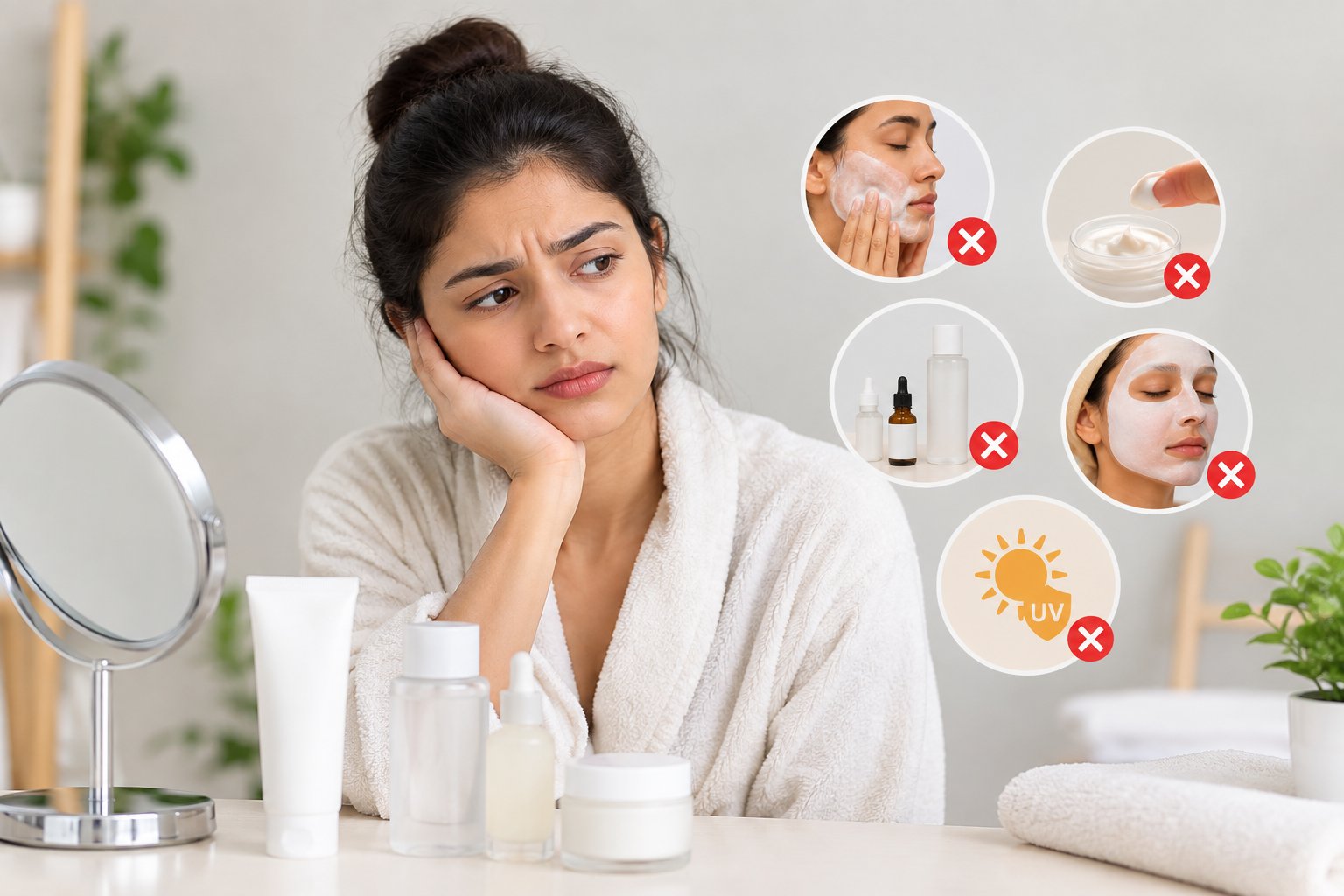
Bring a list of current medications, history of cold sores or keloids, and recent photos. Avoid tanning and certain topical agents (like retinoids or glycolic acid) as directed prior to energy-based treatments.
FAQ
What is the best skin rejuvenation technology in Muscat?
There is no single "best" technology; the safest and most effective choice depends on the specific skin concern, skin phototype, and the practitioner's experience. For example, RF microneedling is commonly chosen for collagen stimulation with moderate downtime, while fractional CO2 is reserved for deeper resurfacing when performed by an experienced operator.
Are laser skin treatments Muscat clinics safe for darker skin tones?
Some laser and light-based treatments carry higher pigment-change risks for darker skin. Clinics should perform test patches, use devices and settings validated for higher Fitzpatrick skin types, and provide post-procedure pigment management plans.
How many sessions are typically needed for non-surgical skin rejuvenation Oman patients?
Typical regimens range from 3 to 6 sessions spaced 4–8 weeks apart for non-ablative lasers and microneedling; more aggressive ablative treatments may produce results in fewer sessions but require longer recovery.
What qualifications should practitioners have for advanced energy-based procedures?
Look for clinicians with documented training in the specific device, certifications from recognized dermatology or plastic surgery bodies, and adherence to Ministry of Health regulations. Ongoing education and a track record of local outcomes are important quality signals.
Can combination therapies improve outcomes?
Yes. Combination approaches (e.g., microneedling + PRP, fractional laser + topical agents) can target multiple layers and mechanisms, often yielding better results than monotherapy—when chosen based on evidence, patient suitability, and performed by experienced providers.
Related terms and entities mentioned: fractional CO2, non-ablative laser, IPL, radiofrequency microneedling, PRP, dermal fillers, Oman Ministry of Health, FDA, Fitzpatrick skin types, post-inflammatory hyperpigmentation.
This article is informational and not a substitute for a medical consultation. For device approvals and safety resources, refer to official regulatory sources.