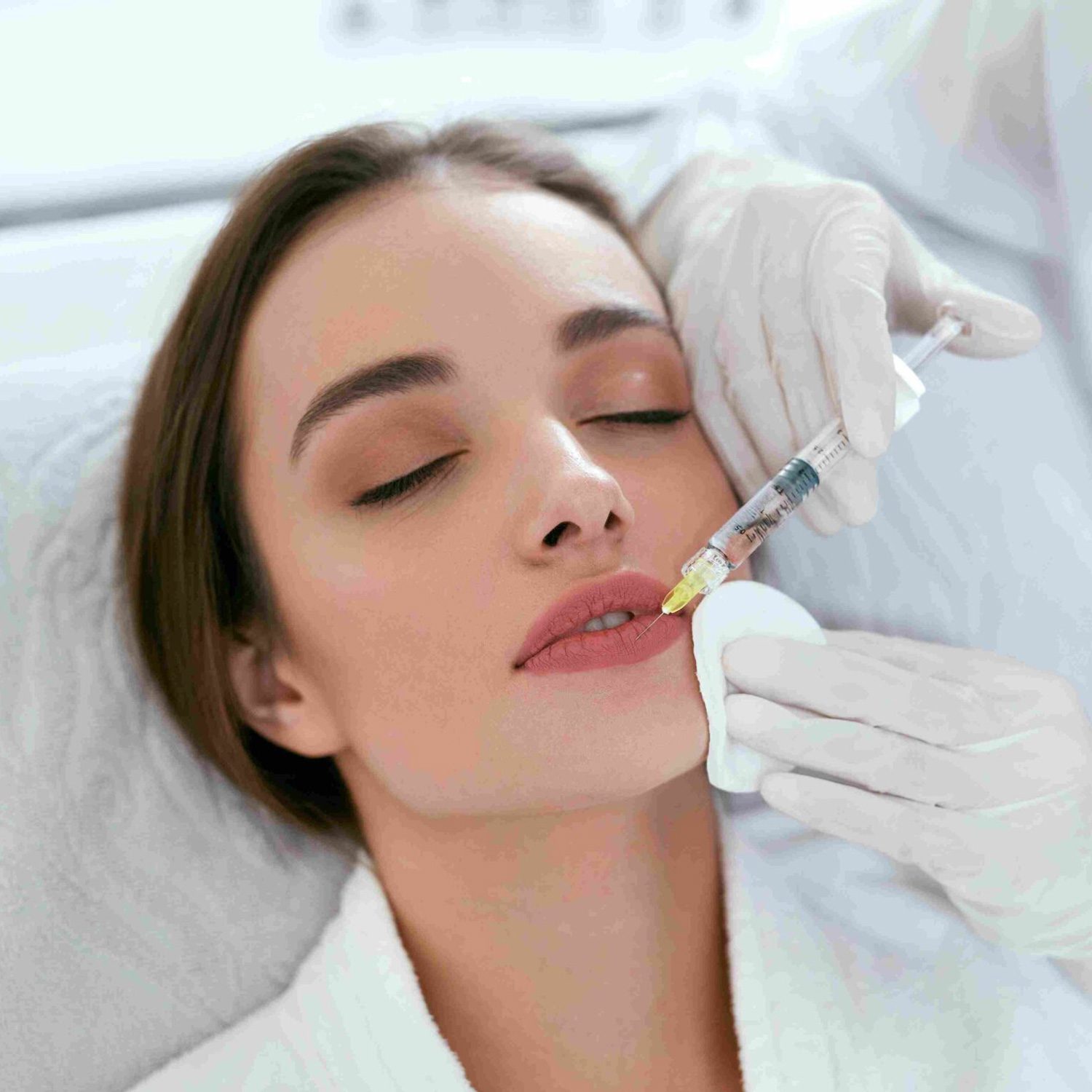
Fat-Melting Injections for Love Handles: What Works, Risks, and Real Dubai Results
-

- March 08th, 2026
- 485 views

FREE SEO Topical Map Generator: Find Your Next Content Ideas
Fat melting injections for love handles are an increasingly discussed non-surgical option for reducing localized flank fat without liposuction. This guide explains how injection lipolysis works, who may benefit, realistic expectations from Dubai clinics that report success stories, and clear safety and decision steps.
- Method overview: injections aim to break down fat cells chemically or with heat-assisted delivery; results take weeks to months.
- Best candidates: near-ideal body weight with isolated love-handle pockets, good skin elasticity.
- Typical timeline: 4–12 weeks for visible change; multiple sessions often required.
- Detected intent: Informational
Fat melting injections for love handles: quick overview
What "fat-melting" injections are and how they differ from liposuction
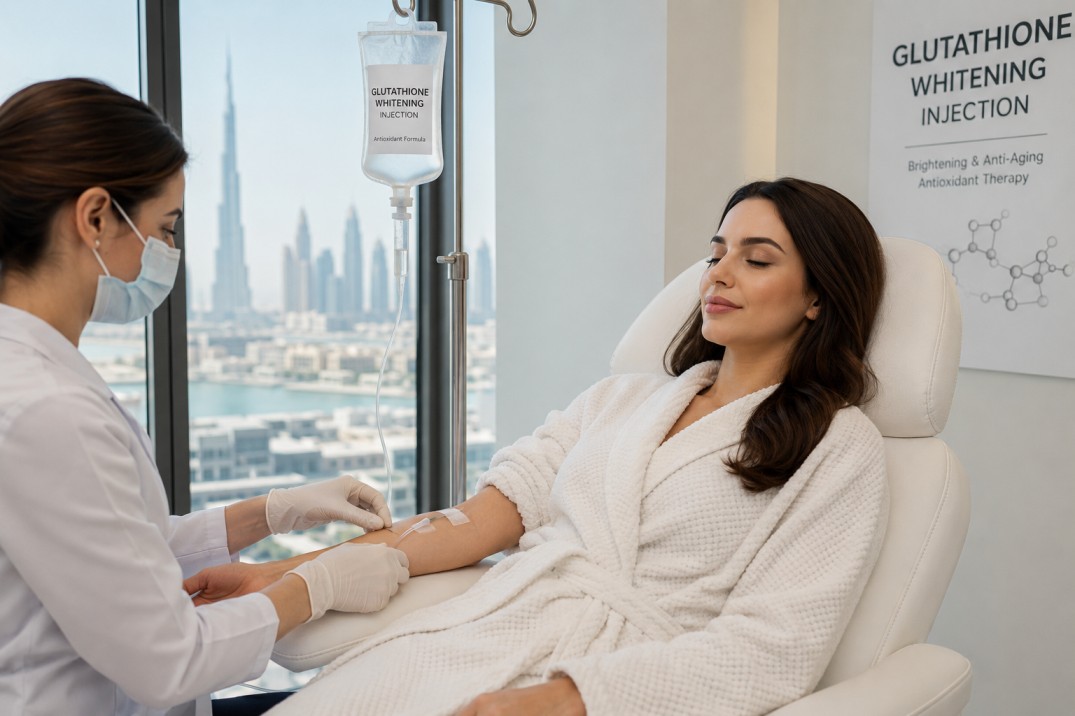
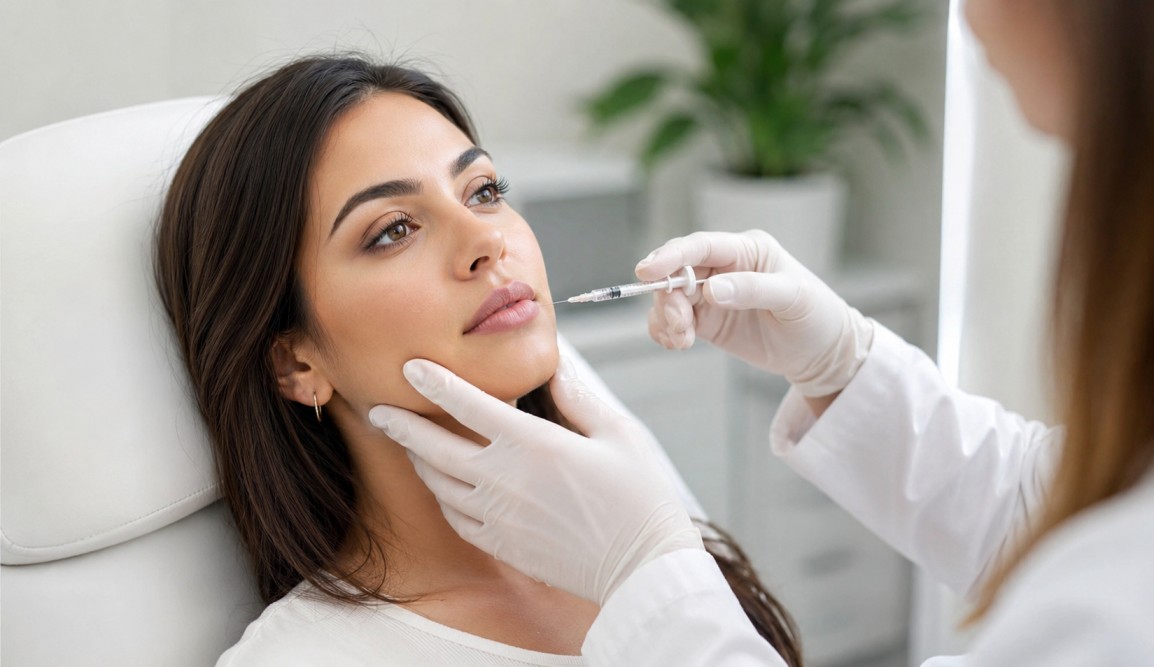
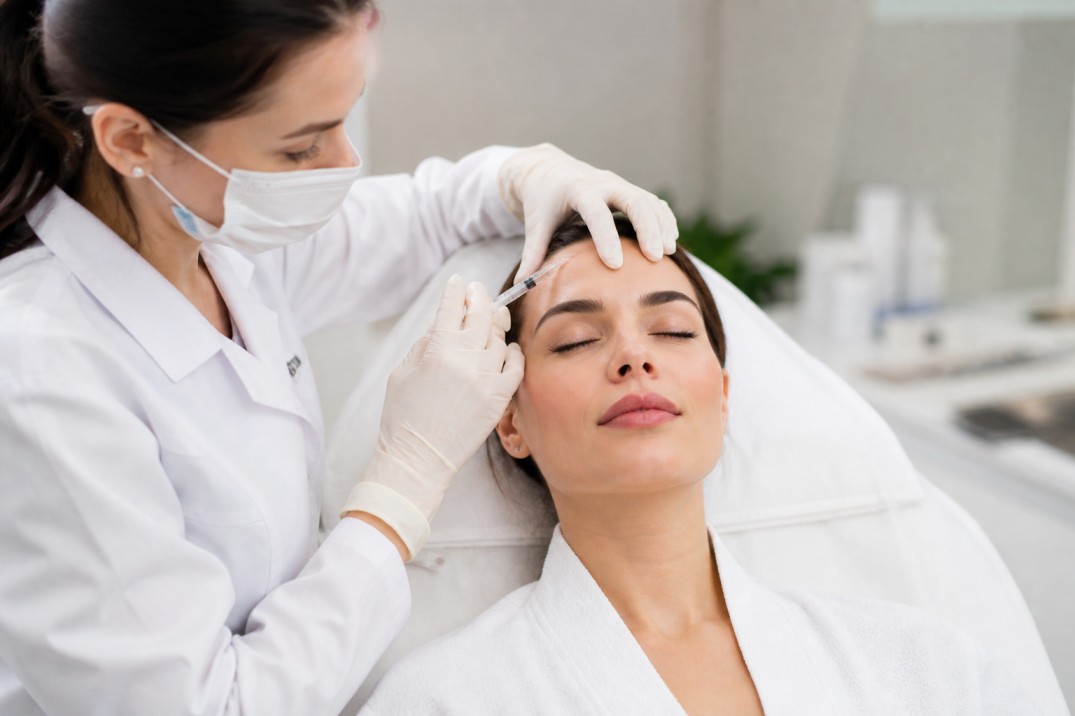
Fat-melting injections (also called injection lipolysis or chemical lipolysis) use compounds intended to disrupt fat cell membranes or trigger local inflammatory clearance so the body removes fatty debris. Unlike surgical liposuction, these are minimally invasive outpatient procedures with smaller needles and shorter recovery, but they deliver subtler, slower reductions that depend heavily on patient selection and technique.
Common active compounds and technologies
Popular agents and approaches include deoxycholic acid formulations (approved in some indications), phosphatidylcholine combinations used off-label, and proprietary peptides or enzyme mixes offered by clinics. Devices that combine injections with ultrasound or radiofrequency are sometimes called "fat-melting" in marketing but work by thermal disruption rather than a single injectable agent. Regulations vary by country; noteworthy is that the U.S. Food and Drug Administration approves deoxycholic acid for submental fat, not specifically for love handles (FDA statement on deoxycholic acid).
Who is a good candidate (S.A.F.E. assessment checklist)
Use the S.A.F.E. assessment checklist to decide candidacy before booking a procedure:
- Suitability: BMI under 30 and limited flank fat pockets rather than diffuse adiposity.
- Anatomy: good skin elasticity and no major hernias or scar tissue in the flank area.
- Focused goals: realistic, localized contour improvement rather than body-wide weight loss.
- Expectations: readiness for multiple sessions and 6–12 week timelines for results.
Practical candidate signals
Patients reporting a stubborn "pinch" of fat at the waistline despite diet and exercise are typical candidates. Those with loose, sagging skin often benefit more from surgical or energy-based options that tighten skin.
Treatment pathway, timelines, and likely outcomes
Typical treatment sequence
- Consultation and mapping of injection sites with photos and measurements.
- Local numbing (topical or small local anesthetic) followed by injections spaced across the pocket.
- Post-injection compression, ice for 48–72 hours, and activity as tolerated.
- Follow-up at 4–12 weeks to assess response and determine additional sessions.
Expected results and number of sessions
Most clinics report incremental improvement per session. Realistic expectation: 1–3 cm reduction in circumference per treated area per session, with visible changes typically at 6–12 weeks. Multiple sessions (2–4) spaced 6–8 weeks apart may be recommended. Outcomes in Dubai success stories often emphasize careful patient selection, experienced injectors, and combined lifestyle maintenance.
Real-world example: short Dubai scenario
Patient profile: 38-year-old with BMI 24, healthy, non-smoker, persistent bilateral love-handle pockets. Clinic approach: consultation, mapping, and two sessions of injection lipolysis spaced eight weeks apart. Timeline and outcome: local swelling for 7–10 days after each session, progressive softening of pockets by week 6, measurable waistline reduction of 3.5 cm after second session, satisfied with contouring without surgery.
Practical tips for safer, more effective treatment
- Choose clinics that document before/after photos and provide written treatment plans, not just verbal promises.
- Confirm injector credentials and experience with injection lipolysis in the flank area—technique matters for uniform reduction and avoiding contour irregularities.
- Follow post-care instructions for compression and activity; inflammation aids fat clearance but excessive massage can worsen swelling early on.
- Maintain diet and exercise; injections remove or disrupt local fat cells but do not prevent new fat accumulation.
Trade-offs and common mistakes
Trade-offs to weigh
Advantages: less downtime and lower upfront cost than surgery; option for patients averse to anesthesia. Disadvantages: modest results, multiple sessions, possible unevenness, and off-label use of some compounds for flank fat in many jurisdictions.
Common mistakes
- Poor candidate selection—treating diffuse or high-BMI patients yields disappointment.
- Accepting vague promises of "instant" fat melting; realistic timelines matter.
- Skipping documentation—no measurements or photos makes outcome assessment subjective.
Core cluster questions
- How effective are injections compared with liposuction for love handles?
- What are safe follow-up intervals and session counts for injection lipolysis?
- Which side effects and complications are most common after fat-melting injections?
- How to verify injector qualifications and clinic safety standards in Dubai?
- What maintenance steps prevent recurrence after local fat reduction?
Frequently asked questions
Are fat melting injections for love handles effective?
They can be effective for small, well-defined pockets in properly selected patients. Expect gradual improvement over weeks and potentially multiple sessions. Results are typically subtler than surgical removal.
How long does recovery take after injection lipolysis?
Most people return to normal activities within 24–72 hours. Local swelling, redness, and tenderness are common for the first week; bruising may last longer. Complete contour changes can take 6–12 weeks.
What complications should be expected and how common are they?
Common temporary effects include swelling, numbness, and tenderness. Less common complications are prolonged nodularity, uneven contours, infection, or localized skin changes. Choosing experienced providers and following aftercare reduces risks.
How do results in Dubai clinics compare to global averages?
Reported success stories from Dubai emphasize thorough consultation, photographic documentation, and combined approaches (e.g., injections plus lifestyle guidance). Outcome variability is similar to global data: careful selection and technique predict better results.
How much do sessions typically cost and is multiple-session planning recommended?
Costs vary by clinic and compound; planning for multiple sessions yields better chances of achieving target contour and helps set a realistic budget. Request a written treatment plan with session counts and expected intervals.