Essential Guide for Newcomers: Fat Melting Injections in Dubai
-

- March 16th, 2026
- 253 views

FREE SEO Topical Map Generator: Find Your Next Content Ideas
Fat melting injections in Dubai: what newcomers need to know
Detected intent: Informational
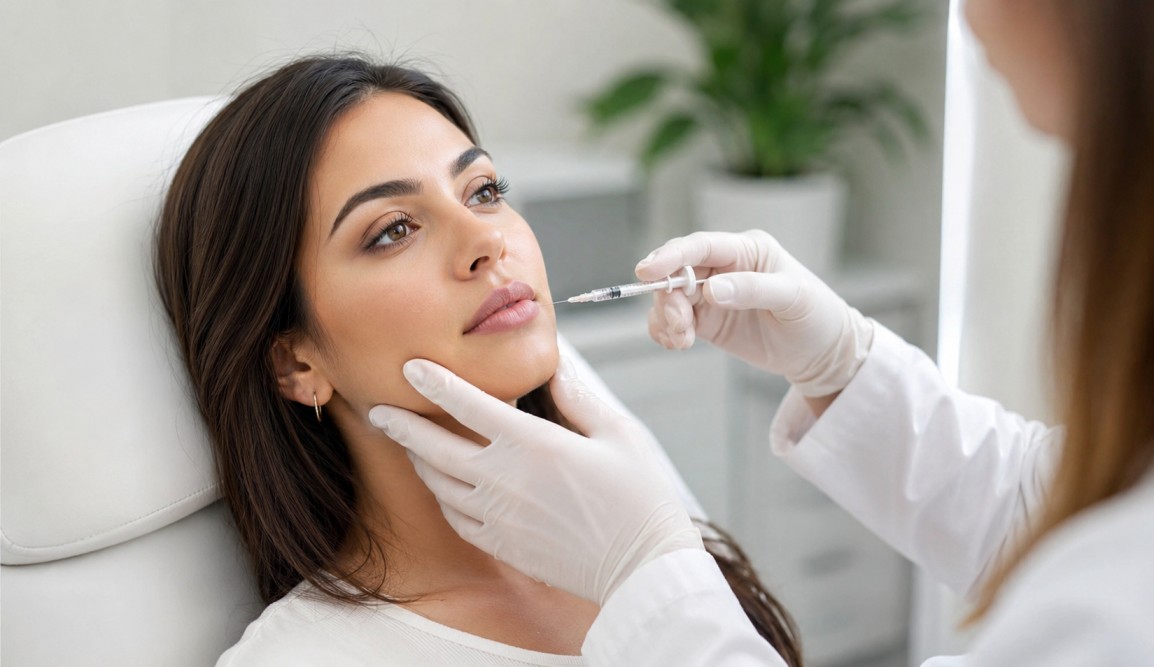
Fat melting injections in Dubai are a non-surgical option for reducing small, localized fat deposits such as a double chin or small bulges. This guide explains how procedures work, how to choose a qualified clinic, likely costs, and practical aftercare steps so newcomers can make informed, safe decisions.
- Fat melting injections (lipolytic injections) use substances like deoxycholic acid to break down fat cells—treatment areas and results vary.
- Verify practitioner qualifications, clinic licensing (Dubai Health Authority or relevant regulator), and product approvals.
- Typical recovery is days to 2 weeks depending on swelling; multiple sessions often needed.
How fat melting injections work
Fat melting injections, also called lipolytic injections or injection lipolysis, use chemical agents to disrupt fat cell membranes so the body can clear the released contents through natural processes. Substances in use include deoxycholic acid (an FDA-approved option for submental fat), phosphatidylcholine, and compounded mixes used in mesotherapy. Results depend on the product used, the treated area, and individual metabolism.
Mechanism and common agents
Deoxycholic acid causes physical disruption of fat cell walls. Other compounds aim to stimulate metabolic activity or local inflammation to reduce fat volume. Because regulatory status varies by country and product, check approvals and manufacturer data for any agent proposed during consultation.
Choosing a clinic and practitioner in Dubai
Choosing a licensed clinic and a properly trained practitioner is the single most important safety step. Look for practitioners registered with local regulators (for example the Dubai Health Authority—DHA) and for clinics with visible clinical governance and published consent processes.
SAFETY checklist (named framework)
Use this SAFETY checklist before booking treatment:
- S—Site verification: Confirm clinic licensing and physical address.
- A—Assess practitioner credentials: board certification, training in injectables.
- F—Forms and informed consent: Should explain risks, alternatives, and expected outcomes.
- E—Evidence for product: Ask whether the product is approved or has published safety data.
- T—Test or trial plan: Plan staged treatments and review follow-up protocol.
- Y—Yields and realistic expectations: Confirm measurable goals and how results are assessed.
What to ask at consultation
- Exact product name and whether it is approved or used off-label.
- Number of treatments likely needed and expected downtime.
- Risks specific to the chosen area (nerves, asymmetry, prolonged swelling).
- Before-and-after photos of similar patients and contactable references if available.
Costs, sessions, and expected timeline
Costs vary by clinic, product, and treated area. Typical packages charge per session; multiple sessions (often 2–6) spaced several weeks apart are common. Recovery is usually faster than surgical options, but swelling, bruising, and temporary numbness can last from a few days up to two weeks in many cases.
Practical tips for newcomers
- Book a medical consultation first—avoid clinics that offer immediate treatment without assessment.
- Plan treatments with adequate time before important events to allow for swelling to settle.
- Follow all pre- and post-procedure instructions: avoid certain medications, alcohol, and strenuous exercise as advised.
- Keep photographic records of the treated area for tracking progress.
Safety, risks, and regulatory notes
All injectable procedures carry risks: infection, uneven results, prolonged swelling, nerve injury, or allergic reaction. For one example of a product with regulatory review, see the U.S. Food and Drug Administration's information on deoxycholic acid for submental fat (FDA consumer update). Local regulators such as the Dubai Health Authority set rules for clinic licensure and practitioner registration—verify those credentials before proceeding.
Common mistakes and trade-offs
- Choosing the cheapest option: cost-cutting can mean lower standards for sterility, product sourcing, or practitioner training.
- Expecting surgical-level fat removal: injections work best for small, localized pockets; larger volume reduction often requires liposuction.
- Skipping staged treatments: trying to do too much in one session raises complication risks and may cause uneven results.
Real-world example scenario
A 35-year-old professional with mild submental fullness consults a licensed clinic in Dubai. After assessment and explanation of options, the practitioner recommends three sessions of deoxycholic acid spaced six weeks apart. The patient follows the SAFETY checklist, photographs progress, and plans treatments around work commitments. Mild swelling occurs after each session and resolves within 7–10 days; by three months after the first session the patient notices visible contour improvement and documents results for follow-up.
Aftercare and long-term expectations
Aftercare normally includes cold compresses, short-term avoidance of intense exercise, and monitoring for infection or prolonged numbness. Results may be long-lasting for treated fat cells, but weight gain and aging will still affect overall appearance. Maintain realistic expectations and a healthy lifestyle to support lasting outcomes.
Practical aftercare tips
- Apply cold packs intermittently for the first 48 hours to manage swelling.
- Avoid aspirin or NSAIDs for 48 hours if not contraindicated—follow practitioner guidance to limit bruising risk.
- Stay hydrated and eat a balanced diet to support healing and lymphatic clearance.
- Report any unusual pain, persistent numbness, or signs of infection immediately to the treating clinic.
Core cluster questions
- How long do results from fat melting injections last?
- What are the main differences between injection lipolysis and liposuction?
- Which body areas respond best to non-surgical fat reduction?
- How many sessions are usually required for noticeable improvement?
- What qualifications should a practitioner have for injectable fat reduction?
Final decision checklist
Before booking: confirm clinic licensing, practitioner registration, product evidence, clear pricing for follow-up sessions, and written aftercare instructions. If any of these are missing, delay treatment until satisfactory answers are provided.
FAQs
Are fat melting injections in Dubai safe?
They can be safe when administered by a qualified practitioner in a licensed clinic and when the specific product used has adequate safety data. Verify practitioner credentials, clinic licensing, and product information before proceeding.
How many sessions are usually needed?
Most patients require multiple sessions (commonly 2–6) spaced weeks apart. The exact number depends on the treated area, the product used, and patient response.
Will insurance cover fat melting injections?
These procedures are typically elective cosmetic treatments and are not covered by standard health insurance. Confirm any coverage details with the insurer if there is uncertainty.
Can these injections treat large areas like the abdomen?
Injection lipolysis is best suited for small, localized fat pockets. For larger-volume reduction, surgical options such as liposuction are more appropriate—discuss trade-offs with a practitioner.
What should be avoided after treatment?
Avoid heavy exercise, sauna or hot tub use, and direct sun exposure on treated areas for the first few days unless otherwise instructed. Follow the clinic's aftercare guidance closely.