Teeth Whitening Riyadh Guide: Costs, Safe Options, and How to Choose
-

- March 08th, 2026
- 330 views

FREE SEO Topical Map Generator: Find Your Next Content Ideas
Getting a brighter smile is common, and understanding options matters. This guide covers teeth whitening Riyadh residents use most often: professional in-office treatments, dentist-supervised take-home systems, and safe over-the-counter choices. Clear comparisons, a simple checklist, and realistic cost guidance make it easier to choose the right path.
Teeth whitening Riyadh options include in-office bleaching, dentist-prescribed home trays, and OTC kits. Candidates should have healthy gums and realistic expectations. Use the BRIGHT checklist below to evaluate clinics and products.
Detected intent: Informational
teeth whitening Riyadh: main options, costs, and safety
Overview of common methods
Understanding the method categories helps decide between speed, cost, and sensitivity risk.
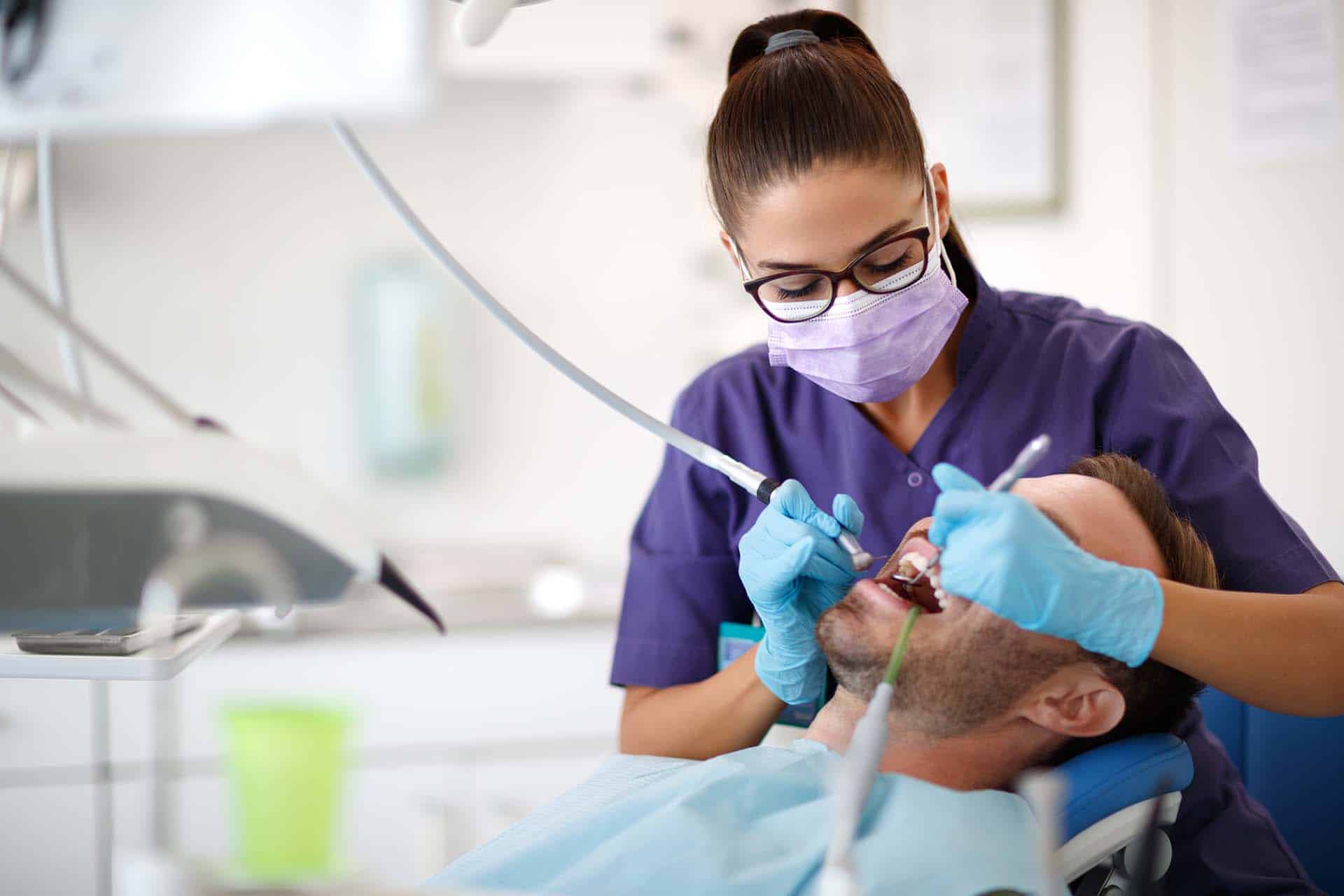
- In-office professional whitening: Fastest results (1–2 sessions), higher peroxide concentrations, performed by licensed dentists or hygienists.
- Dentist-prescribed take-home trays: Custom trays with lower-concentration gel, used daily for 1–2 weeks—balance of control and results.
- Over-the-counter (OTC) kits and strips: Lowest cost; results vary and can take longer. Good for mild surface staining.
- Alternative cosmetic routes: Veneers or bonding for intrinsic stains not responsive to bleaching.
Typical price ranges in Riyadh
Costs vary by clinic reputation, product strength, and whether a dentist is involved. Expect a broad range:
- OTC kits: low cost, widely available in pharmacies and online.
- Dentist-prescribed take-home systems: moderate cost; includes impression, custom tray, and gel.
- In-office bleaching: highest cost for fastest, supervised results.
Exact prices depend on clinic and materials. For regulatory standards and safety information on whitening agents, refer to authoritative dental guidance such as the American Dental Association: ADA: Tooth Whitening.
How to decide: BRIGHT checklist for candidates and clinics
The BRIGHT checklist helps evaluate readiness and providers before any whitening procedure.
- B — Baseline exam: Confirm no untreated decay, and measure shade and tooth health.
- R — Recommendations: Get a documented recommendation: in-office, take-home, or OTC and reasons.
- I — In-office vs home plan: Verify training of the provider and exact materials/percentages used.
- G — Gingival health check: Healthy gums minimize complications; treat gum disease first.
- H — Home maintenance: Ask for a plan to maintain results (toothpaste, avoiding staining foods, retouch schedule).
- T — Troubleshooting & follow-up: Confirm follow-up for sensitivity, uneven results, or complications.
Comparing trade-offs and common mistakes
Trade-offs to weigh
- Speed vs sensitivity: Stronger in-office gels are faster but increase short-term sensitivity.
- Cost vs customization: Custom trays cost more but reduce gum irritation and can deliver more consistent results than OTC strips.
- Supervision vs convenience: Dentist supervision reduces risk and improves outcomes; OTC methods are more convenient but risk misuse.
Common mistakes
- Skipping a dental exam: untreated cavities or gum disease can worsen with whitening.
- Expecting perfection: intrinsic stains, tetracycline discoloration, and restorations often won’t match bleached enamel.
- Overusing products: repeated or prolonged use beyond manufacturer or dentist guidance increases enamel sensitivity and irritation.
Real-world scenario
Scenario: A 34-year-old Riyadh resident who drinks tea twice daily wants a brighter smile. After a dental exam confirmed healthy gums and minor surface stains, a dentist recommended a two-week take-home tray system to reduce sensitivity risk. The patient used the custom trays nightly, noticed improvement within 10 days, and scheduled a 6-month maintenance check. This example shows how exam, tailored choice, and follow-up produce predictable results.
Practical tips for safe, effective whitening in Riyadh
- Get a dental exam first: a basic check prevents complications and sets realistic expectations.
- Ask about the active ingredient and concentration (commonly hydrogen peroxide or carbamide peroxide) and why it’s chosen.
- Monitor sensitivity: use desensitizing toothpaste and reduce daily exposure if sensitivity develops; consult the provider before stopping treatment.
- Check credentials: confirm the clinic is licensed and that procedures are performed or overseen by licensed dental professionals registered with local health authorities (for example, Saudi Ministry of Health regulations).
- Preserve results: limit coffee, tea, red wine, and smoking for at least a week post-treatment and use a whitening maintenance product as directed.
Special topics: restorations, stains, and long-term care
Restorations and veneers
Crowns, veneers, and fillings do not whiten. If restorations are visible, discuss timing—whiten natural teeth first and then match restorations if needed.
Types of stains
Extrinsic stains (coffee, tea, smoking) typically respond well to bleaching. Intrinsic stains (medication-related, fluorosis, trauma) may need veneers or bonding. A dentist can assess stain type during the baseline exam.
Aftercare and maintenance
Maintenance plans can include touch-up trays, occasional in-office touch-ups, and stain-reducing habits. Document a follow-up schedule with the provider to manage longevity and sensitivity.
Core cluster questions for internal linking
- What are the pros and cons of in-office vs take-home whitening?
- How to prepare teeth for professional whitening treatment?
- Which stains respond to bleaching and which need veneers?
- How long do whitening results last, and what affects durability?
- What are signs of overuse or complications from whitening products?
Choosing a clinic in Riyadh: quick checklist
- Licensed dental professionals and clear pricing
- Documented exam and treatment plan
- Options for sensitivity management and follow-up care
- Transparent materials list and expected number of sessions
FAQ
Is teeth whitening Riyadh safe for people with sensitive teeth?
Safety depends on the cause and degree of sensitivity. A pre-whitening exam identifies risk factors. Dentists can recommend lower-concentration gels, shorter daily wear times, or desensitizing protocols to reduce discomfort.
How long does professional whitening typically last?
Results usually last from several months to a few years, depending on diet, smoking, oral hygiene, and maintenance. Touch-ups or periodic take-home gels extend longevity.
Are over-the-counter whitening kits effective compared to professional options?
OTC kits can improve surface stains but often deliver less dramatic and slower results than dentist-supervised systems. Custom trays and professional gels generally provide more consistent whitening and lower gum irritation risk.
What should be checked before whitening if dental restorations are present?
Confirm the location and material of restorations; plan to match or replace visible restorations after whitening since existing crowns or fillings won’t change color.
How to handle sensitivity after whitening?
Stop treatments temporarily, use desensitizing toothpaste or gels, and consult the dentist. Controlled reductions in contact time or using lower-concentration products are common adjustments.