Green Screen Setup Guide: Professional Background Removal Made Simple
-

- Published Updated
- 938 views
A reliable green screen setup is the foundation for clean background replacement, whether the goal is a polished livestream, a corporate video, or a small-screen production. This guide explains the core gear, layout, shooting technique, and post-production keying needed to remove backgrounds like a pro.
This article covers essential equipment, lighting patterns, camera and exposure settings, a named workflow checklist (CLEAR Keying Checklist), practical tips, common mistakes, and a short real-world scenario. Detected intent: Informational.
Green Screen Setup: Essential equipment and space
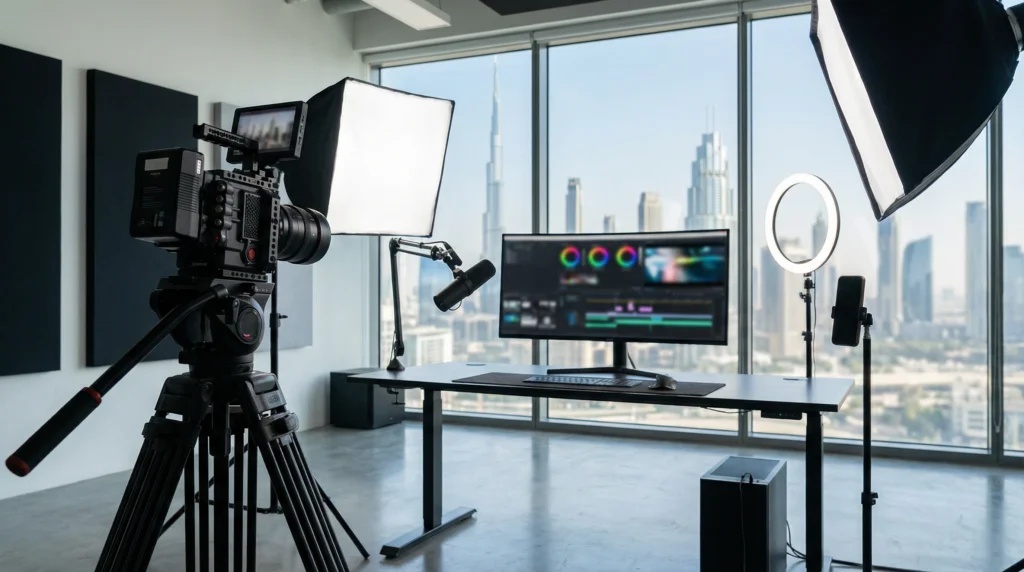
Start the green screen setup with an even, matte backdrop, controlled lighting, and a camera position that keeps the subject a minimum distance from the screen (recommended 3–6 feet / 1–2 meters). Core items: a non-reflective green muslin or paper backdrop, two or three lights for the background, two soft key/fill lights for the subject, and a camera that can output a high-quality image (preferably 8-bit 4:2:2 or better for keying). Related terms: chroma key, spill suppression, alpha channel, luminance, and color balance.
Required gear checklist
- Backdrop: wrinkle-free green screen material (muslin, paper, or paint) with a matte finish.
- Lights: two LED panels or softboxes for the background plus key and fill for the subject.
- Camera: DSLR/mirrorless or camcorder with manual controls and clean HDMI or decent codec.
- Tripod or stable mount, light stands, clamps, and sandbags.
- Optional: a hair/rim light to separate subject from background and reduce spill.
Lighting and exposure: best green screen lighting setup
Lighting is the most important variable for a successful key. Aim for even, shadow-free illumination across the green surface. Use two background lights placed to bathe the screen from the sides or top at equal intensity. Use a soft key light at a 45-degree angle and a weaker fill on the opposite side for balanced subject lighting. Add a hair/rim light to create separation and reduce green spill on hair or shoulders.
Practical camera settings
- Use manual exposure: lock aperture, shutter, and ISO to prevent shifts between takes.
- Shoot at the camera's native resolution and color profile when possible; avoid heavy compression.
- Keep ISO low to reduce noise, which interferes with matte generation during keying.
- White balance to neutral—use a gray card or manual Kelvin setting to ensure consistent color.
Removing backgrounds (keying): workflow and software notes
Keying converts a uniform green color into transparency. The workflow typically follows: prepare source footage, apply chroma key effect, refine matte with matte tools (clip black/white, choke, soften), perform color spill suppression, and composite the keyed subject over the new background. Many editing and VFX platforms provide keying tools (e.g., Keylight, Primatte, or built-in chroma key filters).
For broadcast and color accuracy, follow color and signal standards from professional bodies such as the Society of Motion Picture and Television Engineers (SMPTE).
Common keying controls
- Screen color/sample: pick the most representative green, not a specular highlight.
- Tolerance/Similarity: expand selection to remove all green without clipping subject edges.
- Edge choke (shrink/grow) and soften (blur) for cleaner outlines.
- Spill suppression and hue shift to remove remaining green fringes.
CLEAR Keying Checklist (named framework)
Use the CLEAR Keying Checklist as a quick pre-shoot and post-shoot framework:
- C — Confirm backdrop is smooth and matte; eliminate wrinkles and seams.
- L — Light evenly: balance background and subject lighting to avoid hot spots.
- E — Expose and white-balance in manual mode; lock settings for the session.
- A — Allow separation: place subject at least 3–6 feet from the screen; add rim light.
- R — Refine in post: sample, key, choke, soften, and apply spill suppression.
Short real-world example
Scenario: A small-team training video is shot in a 12x12 ft studio. The subject stands 1.8 meters from a green paper backdrop hung flat against a frame. Two LED panels evenly light the backdrop at low intensity, a 5600K softbox at left provides key, and a small rim LED on the right adds separation. Camera: mirrorless recording 4K 24p with manual exposure, native profile. In post, a chroma keyer samples the mid-green, sets a moderate tolerance, applies a -1px choke, +2px soften, and an automatic spill-suppress hue. Result: clean edges with minimal hair loss and natural composite lighting.
Practical tips
- Use a color chart and record a 5–10 second reference plate of the empty green screen to sample consistent color in post.
- Keep wardrobe away from green tones — cyan and blue work well; avoid reflective materials that catch green spill.
- Use hair or rim lights on a separate circuit to control spill independently from background lights.
- If working with squeezed budgets, DIY diffusion (bed sheet or shower curtain) can soften light; diffusion reduces hotspots and makes even illumination easier.
Common mistakes and trade-offs
Trade-offs often occur between space, budget, and quality. A smaller studio means the subject will be closer to the backdrop, increasing spill and making keying harder. Brighter, uneven background lighting reduces the effective keying range and causes noise in the matte. Cheaper cameras with heavy compression create blocking artifacts that make fine hair detail difficult to key. Decide which compromises are acceptable for the project and adjust the workflow: more post-processing can compensate for imperfect lighting but costs time.
- Common mistake: using glossy backdrops that reflect lights—switch to matte finishes.
- Common mistake: mixed lighting color temperatures—standardize on one Kelvin value.
- Common mistake: auto exposure or auto white balance—lock both settings before recording.
Core cluster questions
- How far should a subject stand from a green screen for best results?
- Which lighting pattern creates the most even chroma for keying?
- What camera settings reduce noise and improve matte generation?
- How to remove green spill without flattening skin tones?
- What post-production steps create a natural composite after keying?
Troubleshooting quick reference
If edges are jagged, soften the matte and increase resolution or reduce compression. If green spill remains on hair, use selective hue-based spill suppression and add a subtle edge color correction to recover natural tones. If shadows fall on the backdrop, add fill lights or reposition the subject to remove hard shadows.
FAQ
How long does a proper green screen setup take?
Setup time varies by scale: a simple home rig can be ready in 30–60 minutes; a multi-light studio setup with testing and camera checks typically takes 1–3 hours. Allow additional time for lighting balance and test footage for keying checks.
What is the best green screen setup for small rooms?
In tight spaces prioritize even background lighting and strict subject-to-screen separation. Use a low-power rim light and tighter diffusion on background lights to avoid hotspots. Consider using a blue screen instead if wardrobe or skin tones conflict with green, and plan for more aggressive spill suppression in post.
green screen setup: What should be avoided when keying hair and semi-transparent edges?
Avoid over-choking the matte or excessive softness that destroys hair detail. Use a combination of conservative choke, selective matte painting, and edge color correction. When semi-transparent edges are crucial (hair, veils), shoot at the highest reasonable resolution and use keyers that support color decontamination and edge preservation.
Can mobile phones be used for professional background removal?
Yes—modern phones can produce usable results if manual exposure and white balance are locked, lighting is even, and the codec preserves adequate color detail. For hair detail or motion, a higher-bitrate codec or external recorder will yield better mattes.
What are quick recovery steps when a take has uneven background lighting?
Record a reference plate, use selective keying (multiple keys for different background zones), apply garbage mattes to isolate the subject, and use graded spill suppression. Accept that heavy fixes may require rotoscoping for difficult shots.