Healthcare Social Media Strategy for Doctors: Balancing Promotion and Patient Interaction
-

- Published Updated
- 628 views
Introduction
Implementing a healthcare social media strategy requires balancing promotion, patient privacy, and meaningful interaction. This guide explains how doctors can use social channels to build trust, share accurate health information, and support patient engagement while managing legal and ethical risks.
Detected intent: Informational
- Define goals: education, reputation, referrals, or community outreach.
- Follow a named framework (CARE Framework) to plan content and interaction.
- Use a checklist for boundaries, compliance, and measurement.
- Prioritize clear policies for patient engagement and privacy.
Healthcare social media strategy: core principles
Every social plan should start with clear goals and audience definitions. For doctors, common goals include public education, improving patient engagement on social media, professional networking, and practice growth. Choosing appropriate platforms depends on target demographics: visual channels support prevention messaging, while LinkedIn or Twitter may suit professional updates.
Key terms and regulatory context
Definitions
- Promotion: content meant to inform about services, credentials, and practice offerings.
- Interaction: replies, comments, direct messages, and community engagement that can include patient questions.
- Patient engagement on social media: non-clinical interactions intended to increase awareness or adherence, not replace care.
Regulatory considerations
Professional standards and privacy laws apply online. Reference guidance from professional associations for boundaries on medical advice and confidentiality; for example, the American Medical Association offers practical ethical guidance for physician use of social media: AMA guidance on social media. Local privacy laws and HIPAA (in the U.S.) affect what can be shared and how patient interactions are documented.
CARE Framework: a practical planning model
The CARE Framework structures strategy into four actionable steps:
- Clarify goals — Define measurable objectives (e.g., increase patient portal sign-ups by 20% in 6 months).
- Audience mapping — Identify patient segments and choose channels accordingly (older adults vs. young parents vs. peers).
- Rules and roles — Set policies for who posts, how to handle clinical questions, and escalation paths for urgent concerns.
- Evaluate and iterate — Use analytics and patient feedback to refine content and response protocols.
Practical checklist for social media for doctors
- Document goals, audience, and platform selection.
- Create an approval workflow for content and a scheduling calendar.
- Publish a visible social media policy stating that posts are educational and not a substitute for medical care.
- Train staff on privacy, comment moderation, and handling direct messages.
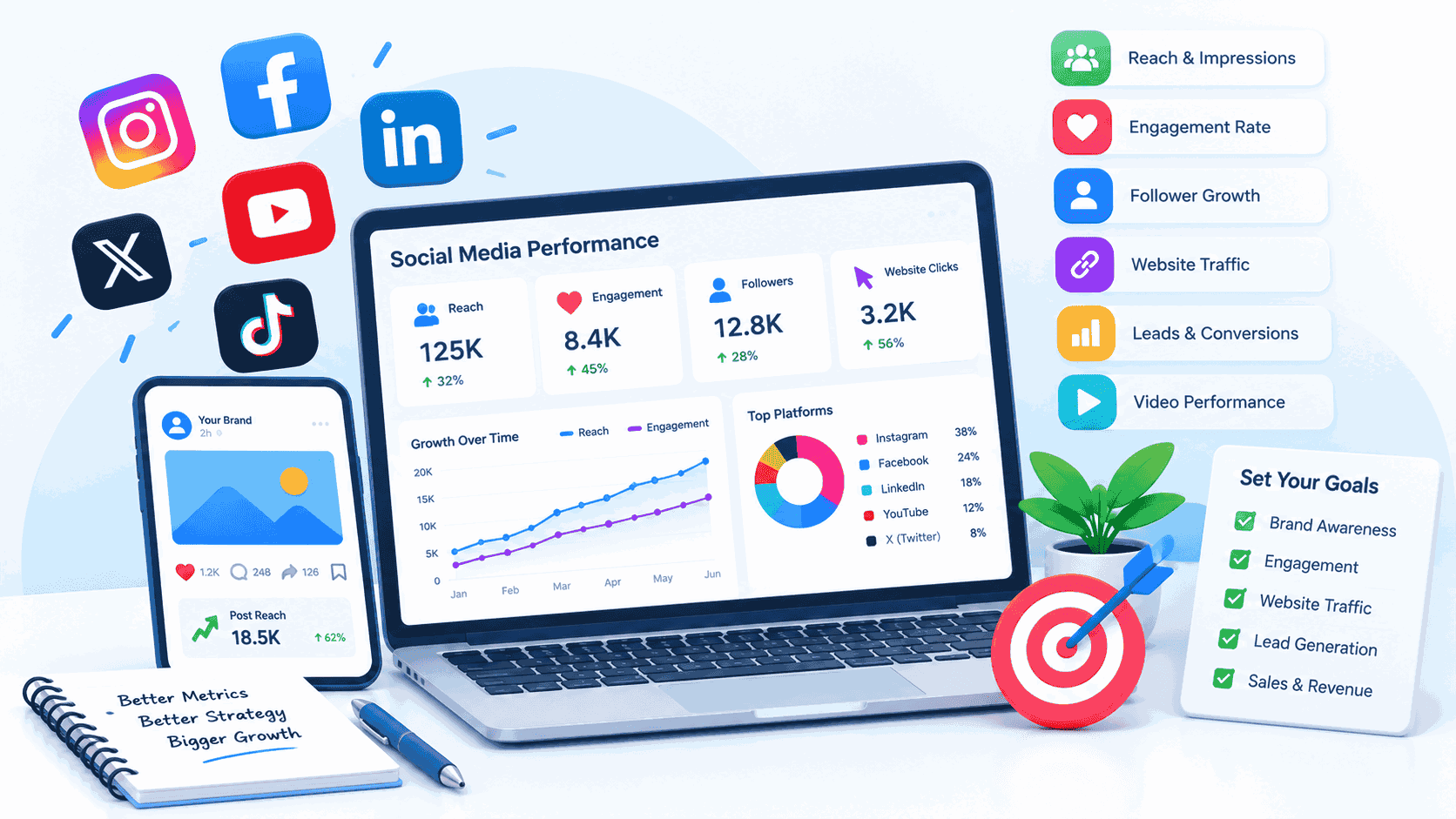
- Implement simple analytics tracking (engagement, traffic, conversions) and quarterly reviews.
Real-world example: a small clinic scenario
A family medicine clinic launched a focused program to improve preventive care uptake. Goal: boost annual wellness visit bookings by 15% in 9 months. Channels selected: Facebook for local community outreach and Instagram for quick preventative tips. Content mix: short videos (30–60 seconds) explaining common screenings, patient testimonials (with signed consent), and appointment reminders linking to the clinic's online scheduler. Rules were defined: no clinical diagnosis on public threads, clinical questions directed to secure messaging, and consent required for any patient stories. Monthly analytics informed topic choices and posting cadence.
Practical tips for balancing promotion and interaction
- Use educational posts as primary content; promotional posts should be limited and clearly labeled.
- Set office hours for social responses; auto-reply outside those hours should direct patients to emergency resources or secure portals.
- Respond to comments with general information and invite private channels for personal medical issues.
- Maintain consistent branding and a professional tone to build trust without oversharing.
Trade-offs and common mistakes
Trade-offs
- Time vs. reach: High-quality, verified content requires time and may limit posting frequency but yields better long-term trust.
- Engagement vs. liability: Greater interaction increases patient rapport but also raises the chance of crossing clinical boundaries; clear scripts help mitigate risk.
Common mistakes
- Giving individualized medical advice in public comments.
- Failing to get written consent for patient images or stories.
- Neglecting moderation, which can allow misinformation or harmful content to remain visible.
Core cluster questions
- How should a doctor choose social media channels for patient outreach?
- What policies should a clinic include in its social media guidelines?
- How can doctors measure the ROI of educational social content?
- What steps ensure patient privacy when sharing success stories online?
- How can social media integrate with appointment scheduling and patient portals?
FAQ
What is a healthcare social media strategy?
A healthcare social media strategy is a plan that defines goals, audiences, platforms, content types, and governance for using social channels in a medical context. It prioritizes patient safety, professional ethics, measurable objectives, and operational rules for how the practice engages online.
Can doctors answer medical questions on social media?
Responding with general educational information is acceptable; however, diagnosing or providing personalized treatment advice in public comments or posts is inappropriate. Use secure, documented channels for any patient-specific clinical interactions and include disclaimers that social posts are informational only.
How to measure success for social media for doctors?
Track metrics tied to the original goals: engagement rates for education, referral volume for promotion, appointment bookings from social links, and survey-based patient awareness. Regularly review analytics and patient feedback to adjust content strategy.
How to protect patient privacy when posting testimonials?
Obtain written consent that clearly states where content will appear, ensure all identifying details are explicit in the consent, and offer alternatives like anonymized quotes or clinician-authored summaries when consent is not possible.
What are best practices for patient engagement on social media?
Set clear boundaries (no clinical decision-making in public threads), maintain consistent office hours for responses, use templated replies for common queries, and direct patients to secure communication channels for personal health matters.