How a Cyber Security Expert Protects Your Business: Services, Benefits, and Best Practices
-

- Published Updated
- 1,212 views
Small and large organizations face a growing range of digital threats, and a cyber security expert can help identify, reduce, and manage those risks. This article explains core services provided by specialists, how they fit into governance and compliance, and practical steps businesses can take to strengthen defenses.
Key roles of a cyber security expert include risk assessment, incident prevention and response, secure system design, employee training, and regulatory guidance. Experts use standards, threat intelligence, and technical controls to reduce business disruption and data loss. For ongoing protection, combine people, process, and technology with regular testing and measurable policies.
How a cyber security expert protects your business
A cyber security expert evaluates current security posture, recommends prioritized controls, and helps implement defenses across networks, applications, and endpoints. Typical activities include vulnerability scanning, penetration testing, architecture review, and supporting secure software development lifecycles. Work often spans technical tasks and program-level planning, ensuring security measures align with business goals and compliance requirements.
Core services offered by security specialists
Risk assessments and gap analysis
Experts conduct formal risk assessments to identify which assets are most critical, the threats that could affect them, and the likelihood of compromise. Gap analysis compares existing controls to recognized frameworks and standards, producing a prioritized remediation roadmap.
Vulnerability scanning and penetration testing
Automated scans find known vulnerabilities while penetration tests simulate attacker behavior to reveal exploitable weaknesses. Results inform patching, configuration changes, and design improvements. Regular testing helps validate that defenses work as intended.
Incident response planning and tabletop exercises
Preparation includes written incident response plans, defined roles and communications, and rehearsals or tabletop exercises. Specialists design playbooks for common scenarios (ransomware, data breach, system compromise) so response times and coordination improve during real incidents.
Secure architecture and system hardening
Security experts influence system design by applying principles such as least privilege, network segmentation, strong authentication, and encryption. Hardening configurations for servers, endpoints, and cloud services reduces the attack surface.
Monitoring, detection, and threat intelligence
Implementing logging, security information and event management (SIEM), and endpoint detection enables early detection of suspicious activity. Threat intelligence informs which indicators to watch for and helps adapt defenses to active campaigns targeting the industry.
Governance, compliance, and standards
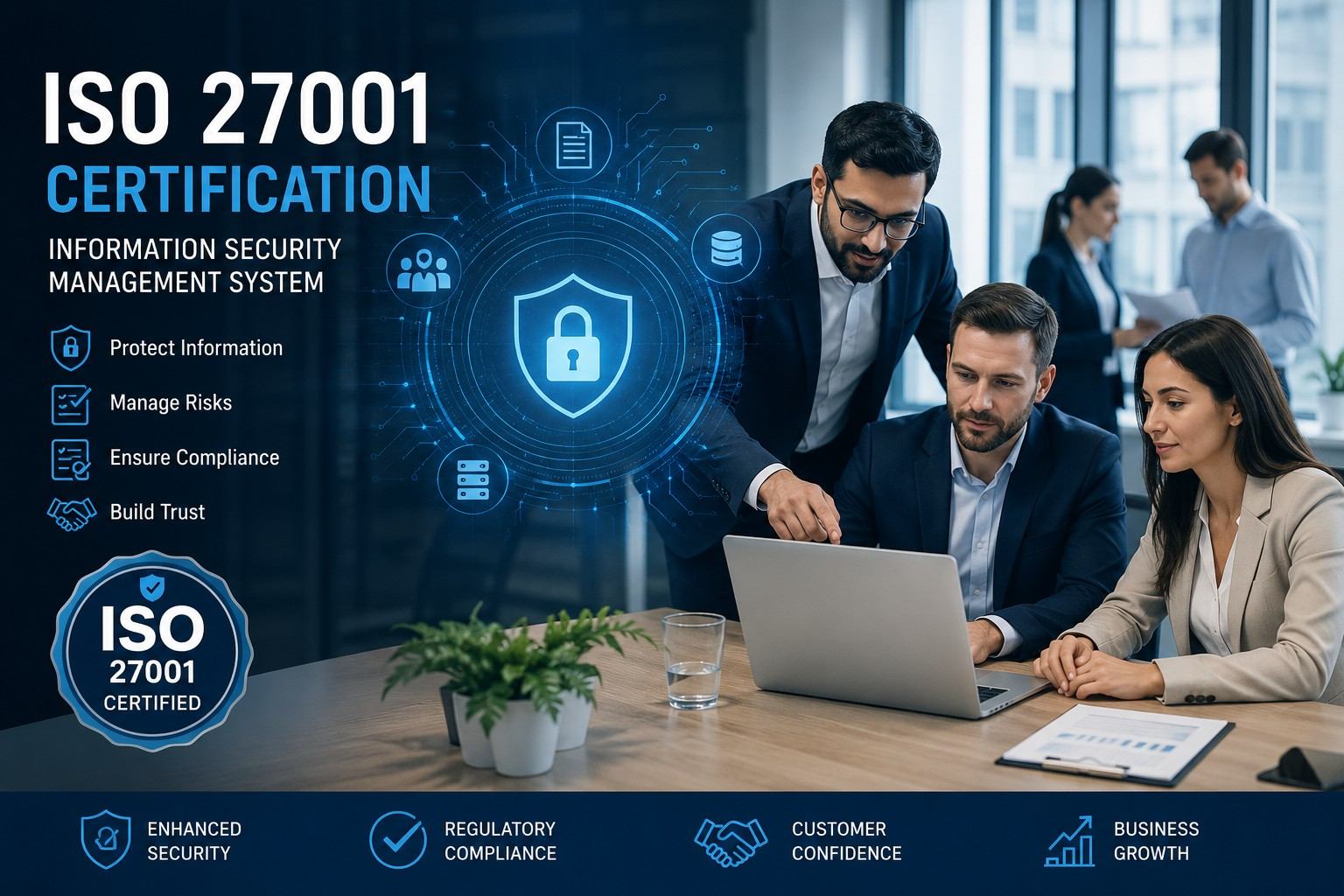
Adopting a governance framework clarifies responsibilities, risk appetite, and controls. Many organizations align with internationally recognized standards such as ISO/IEC 27001 and national guidance like that produced by CISA or data protection rules such as the EU GDPR. For technical and procedural guidance, organizations commonly refer to frameworks and best practices from authorities like NIST. Compliance does not guarantee security, but it helps establish repeatable processes and measurable requirements.
How implementation is typically phased
1. Discovery and prioritization
Inventory critical assets and systems, map data flows, and prioritize risks that could affect operations or confidentiality. This phase produces a baseline for improvement planning.
2. Protection measures
Apply technical controls (patch management, access controls, MFA), enforce secure configurations, and introduce monitoring. Employee awareness training is essential to reduce social-engineering risks.
3. Detection and response
Establish monitoring with alerting thresholds and response playbooks. Integration with backup and recovery plans ensures faster restoration after incidents.
4. Continuous improvement
Security posture should be reassessed regularly through audits, tabletop exercises, red teaming, and automated scanning. Metrics and reporting guide investments and show progress to stakeholders.
Cost considerations and return on security investment
Budget decisions often weigh the cost of controls against the potential loss from downtime, data theft, or regulatory penalties. A cyber security expert helps define realistic, risk-informed spending plans that prioritize the most likely and impactful threats. Metrics such as mean time to detect (MTTD) and mean time to respond (MTTR) are useful for demonstrating program effectiveness.
Choosing the right expert or service model
Internal vs. external resources
Dedicated internal staff provide continuity and deep system knowledge; managed security service providers (MSSPs) or consultants can deliver specialized skills and scale quickly. Hybrid models combine internal governance with external operational support.
Qualifications and evidence
Look for experience with relevant technologies, references, published methodologies, and familiarity with applicable regulations. Certifications and participation in industry groups can indicate commitment to best practices, but real-world experience and demonstrated outcomes are most important.
Limitations and realistic expectations
No control removes all risk. Threat actors, software flaws, and human error remain. A security program reduces probability and impact, improves detection and response, and supports business continuity, but it cannot guarantee absolute prevention of breaches.
Frequently asked questions
What does a cyber security expert do?
A cyber security expert assesses risks, recommends and implements controls, tests defenses through scanning and simulated attacks, creates incident response plans, and advises on governance and compliance. Activities span technical measures and organizational processes to reduce the likelihood and impact of security incidents.
How quickly can a cyber security expert reduce risk?
Some improvements, such as patching high-risk vulnerabilities or enabling multifactor authentication, can be implemented quickly. Broader program changes—secure architecture, culture shifts, and continuous monitoring—require months to embed and mature. Prioritization based on risk helps achieve early wins.
Are security audits required by regulators?
Regulatory and contractual requirements vary by industry and jurisdiction. Many sectors require periodic audits, reporting, or evidence of controls. Compliance frameworks help structure those obligations, but specific mandates depend on local laws and sector rules.
How should small businesses start improving security?
Begin with an asset inventory, ensure basic hygiene (patching, strong passwords, backups, and user training), and focus on multi-factor authentication and least-privilege access. Engaging a consultant for a targeted assessment can provide a prioritized plan tailored to the organization’s size and risk profile.
Can a cyber security expert eliminate ransomware risk?
No single measure eliminates ransomware risk. An expert can significantly reduce probability and damage through layered defenses, offline backups, robust authentication, and tested recovery plans. Effective defenses combine prevention, detection, and rapid recovery.