Saxenda vs Other Weight Loss Treatments in Dubai: Effectiveness, Cost, and How to Choose
-

- March 11th, 2026
- 615 views

Get a free topical map and start building content authority today.
The question of Saxenda vs other weight loss treatments in Dubai often arises when patients, clinicians, and clinics weigh effectiveness, convenience, and cost. This guide compares Saxenda (liraglutide) with alternatives such as other GLP‑1 injections, oral medications, bariatric surgery, and structured lifestyle programs — focusing on outcomes, safety, access, and practical decision factors relevant to Dubai.
Key comparison points: mechanism and expected weight loss, safety profile, treatment setting, cost and insurance, and follow‑up support. Use the MEDIC checklist below to evaluate options. Detected intent: Commercial Investigation
Saxenda vs other weight loss treatments in Dubai: quick overview
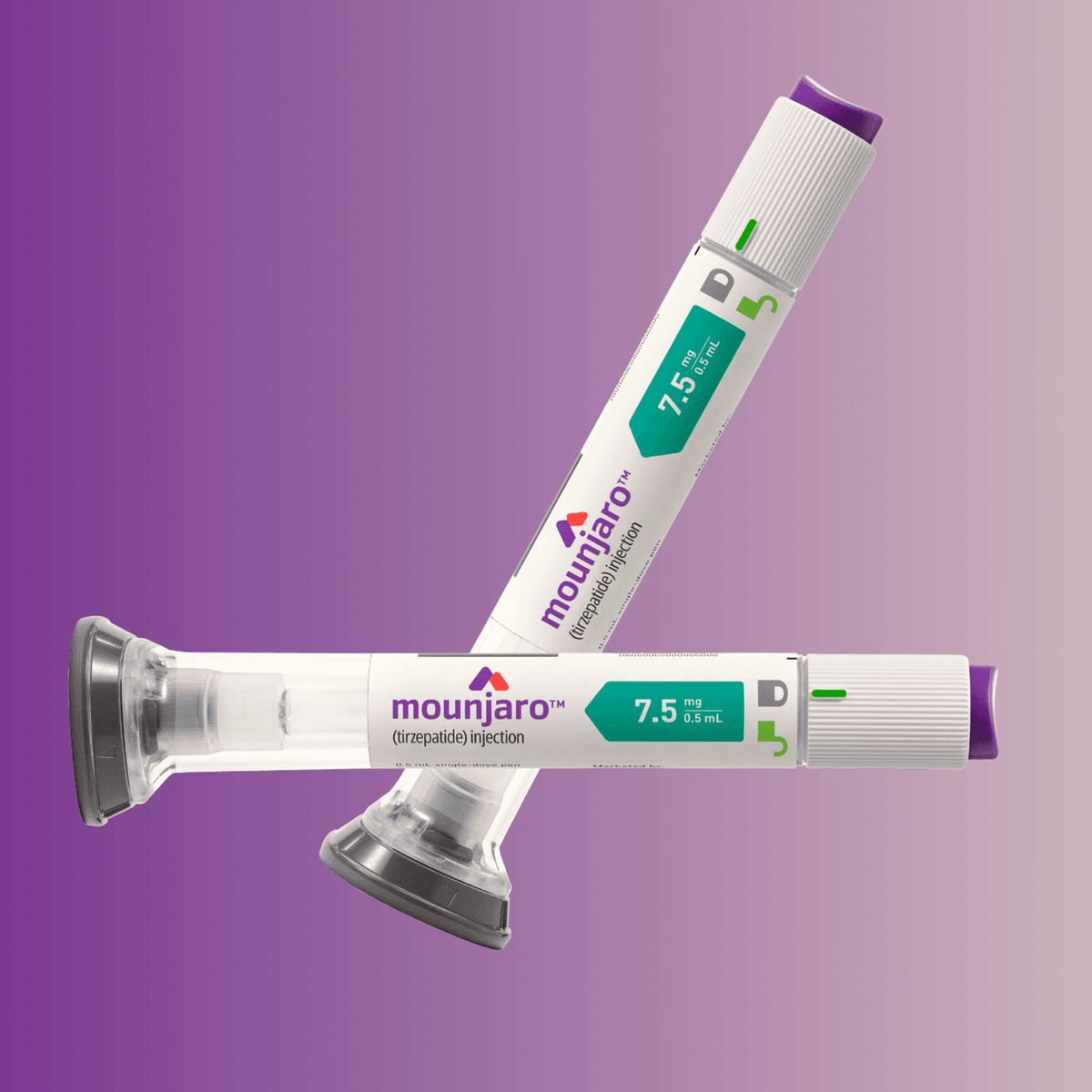
Saxenda is a prescription injectable containing liraglutide, a GLP‑1 receptor agonist that reduces appetite and can produce clinically meaningful weight loss when combined with diet and exercise. Other treatments commonly considered in Dubai include semaglutide injections, oral weight‑loss drugs, bariatric surgery (e.g., sleeve gastrectomy, gastric bypass), and non‑surgical medical weight‑loss programs run by clinics or hospitals.
How these treatments work
GLP‑1 receptor agonists (Saxenda and semaglutide)
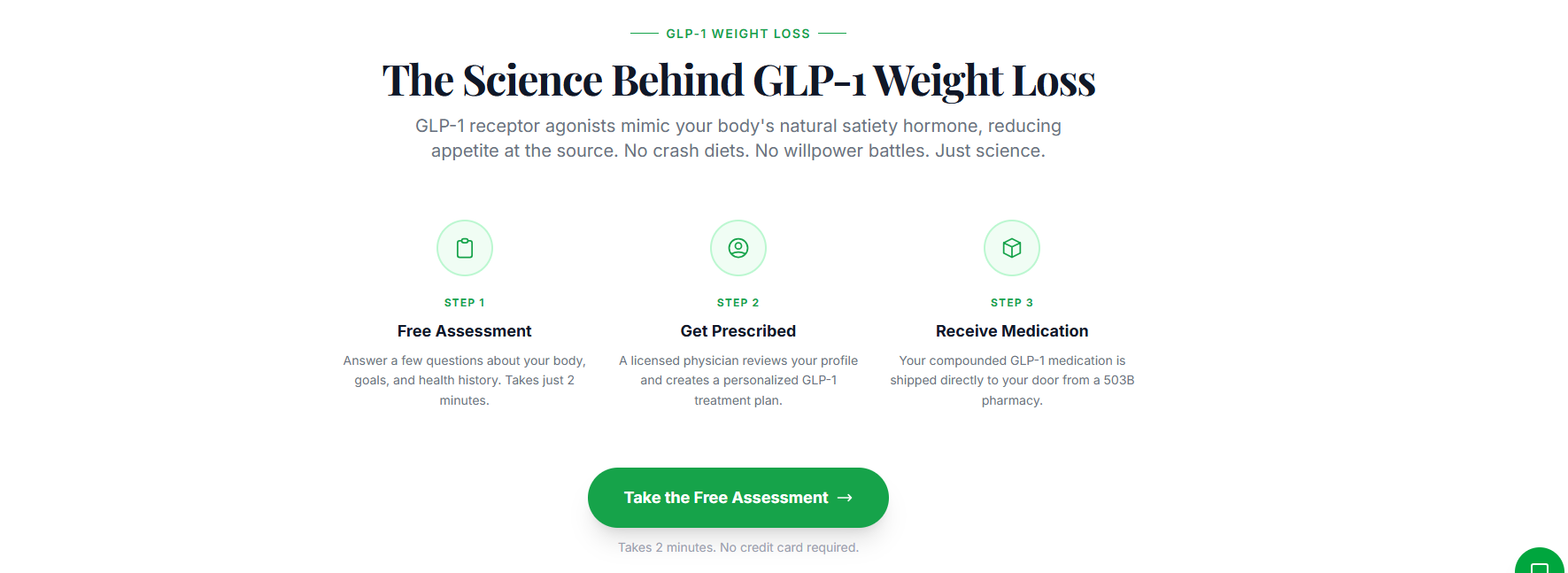
GLP‑1 drugs mimic a gut hormone to slow gastric emptying, reduce appetite, and improve glycemic control. Saxenda (liraglutide) is a daily injection; semaglutide formulations used for weight loss (brand examples: weekly injections) often deliver larger average weight loss in trials.
Oral medications and appetite suppressants
Oral options (phentermine, orlistat) act through appetite suppression or fat absorption reduction. Efficacy tends to be lower than GLP‑1s for long‑term weight reduction, and side effect profiles vary.
Bariatric surgery
Surgical options deliver the largest, most durable weight loss and can resolve obesity‑related conditions such as type 2 diabetes. Surgery requires preoperative evaluation, specialized centers, and lifelong follow‑up for nutrition and complications.
Structured lifestyle and clinic programs
Multidisciplinary programs combine medical assessment, dietitian counseling, exercise plans, and behavior change. These programs are the foundation for all treatments and are commonly offered by medical weight loss clinics in Dubai.
Comparing outcomes, safety, and access
Efficacy and expected weight loss
Typical results vary: Saxenda trials report average weight loss around 5–10% of body weight for many patients when combined with lifestyle changes. Semaglutide often yields larger mean loss in clinical studies. Bariatric surgery usually produces the greatest percentage weight loss (often >25% depending on procedure). Oral drugs and lifestyle programs have a wider range of outcomes, highly dependent on adherence.
Safety and monitoring
Common GLP‑1 side effects: nausea, vomiting, constipation, injection‑site reactions. Rare but serious concerns require medical oversight (e.g., pancreatitis signals, gallbladder events). Surgery carries operative risks and long‑term nutritional considerations. Clinics in Dubai typically require baseline labs and ongoing follow‑up with endocrinologists or bariatric teams.
Access, prescribing, and cost in Dubai
Access to prescription medications requires consultation with a licensed physician. Costs depend on private clinic fees, medication pricing, and whether insurance covers obesity treatments (coverage varies widely). Surgical treatments have higher upfront costs but different long‑term economics depending on health benefits and complication rates.
MEDIC checklist: a practical decision framework
Use this five‑point checklist when comparing options:
- Medical suitability — BMI, comorbidities (diabetes, hypertension), and contraindications.
- Efficacy goals — target percentage weight loss and timeline.
- Delivery and duration — daily vs weekly injections, one‑time surgery, or ongoing clinic visits.
- Insurance and cost — out‑of‑pocket estimates and coverage verification.
- Clinic support — availability of endocrinology, dietitians, psychological support, and follow‑up.
Real‑world scenario
Example: a 42‑year‑old resident in Dubai with BMI 34 and well‑controlled type 2 diabetes seeks weight loss. Options: Saxenda may reduce appetite and modestly improve glycemic control with regular follow‑up; switching to weekly semaglutide may offer larger weight loss but requires evaluation for cost and side effects; bariatric surgery could be considered if BMI exceeds surgical thresholds or if comorbidities justify it. The MEDIC checklist helps determine clinical suitability, expected results, and logistics.
Trade‑offs and common mistakes
Trade‑offs to consider
- Effect size vs invasiveness: surgery offers biggest change but is invasive; medications are less invasive but may need indefinite use to maintain weight.
- Cost now vs long‑term value: medication costs recur; surgery has high initial cost but may reduce future medical expenditures if comorbidities improve.
- Side effects vs benefits: GLP‑1s commonly cause gastrointestinal symptoms that usually lessen over time.
Common mistakes
- Choosing a medication or surgery without a structured follow‑up plan (nutrition, monitoring labs).
- Assuming one treatment fits all: individual factors like pregnancy plans, heart disease, or pancreatitis history change recommendations.
- Neglecting lifestyle and behavioral support — medication or surgery without behavior change often leads to weight regain.
Practical tips for patients in Dubai
- Confirm a clear diagnosis and the clinical target (percent weight loss and timeline) with an endocrinologist or bariatric specialist.
- Request a cost estimate that includes medication, clinic visits, labs, and possible imaging — check insurance preauthorization when applicable.
- Seek multidisciplinary care (dietitian, physiotherapist, psychologist) in addition to the prescribing physician for best long‑term results.
- Discuss side‑effect management plans before starting therapy (antiemetics, dose‑titration schedules for GLP‑1s).
- Keep documented follow‑up and lab results accessible, especially when switching providers or relocating within the UAE.
Where to verify safety and official guidance
For vetted information on prescription weight‑loss drugs and safety profiles, consult regulatory and health authority resources. See the FDA overview of weight‑loss drug options for details on approved medications and safety considerations: FDA overview of new weight‑loss drugs.
Core cluster questions
- How does liraglutide (Saxenda) compare with semaglutide for weight loss?
- What are the eligibility criteria for bariatric surgery in Dubai?
- How much do weekly GLP‑1 injections cost compared to daily injections?
- What follow‑up care is required after starting a GLP‑1 medication?
- Which medical weight loss clinics in Dubai offer multidisciplinary programs?
FAQs
Is Saxenda more effective than diet and exercise alone?
When used with a reduced‑calorie diet and increased physical activity, Saxenda typically produces greater average weight loss than lifestyle changes alone. Results depend on adherence and clinical factors.
Can Saxenda be used long term in Dubai?
Long‑term use is possible under physician supervision; continued benefit should be reassessed regularly and treatment tailored to goals, side effects, and cost considerations.
How does Saxenda vs other weight loss treatments in Dubai affect eligibility for bariatric surgery?
Using Saxenda does not exclude surgical options. Some patients try medications first; others proceed directly to surgery based on BMI thresholds and comorbidity burden. A bariatric team will evaluate timing and potential benefits.
Are GLP‑1 injections available at medical weight loss clinics in Dubai?
Many licensed clinics and hospitals in Dubai can prescribe GLP‑1 injections after a medical consultation and baseline testing. Verify clinic credentials and follow‑up protocols before starting therapy.
What are the most common side effects of Saxenda?
Gastrointestinal symptoms (nausea, vomiting, constipation) are common during dose escalation. Most side effects lessen with time; report severe or persistent symptoms to the prescribing clinician.