Regular AC Service: Prevent Major Repairs with Proven Preventive Maintenance
-

- Published Updated
- 714 views
Detected intent: Informational
Scheduling regular AC service is the most reliable way to reduce the risk of expensive compressor failures, refrigerant leaks, and system-wide breakdowns. This article explains what routine maintenance covers, why it prevents major repairs, and how to build a practical preventive plan that fits most homes and light commercial systems.
- Regular AC service detects small issues before they become major repairs.
- A simple maintenance framework and checklist make service consistent and measurable.
- Routine tasks—filter changes, coil cleaning, refrigerant checks, and airflow tests—preserve efficiency and component life.
How regular AC service prevents major repairs
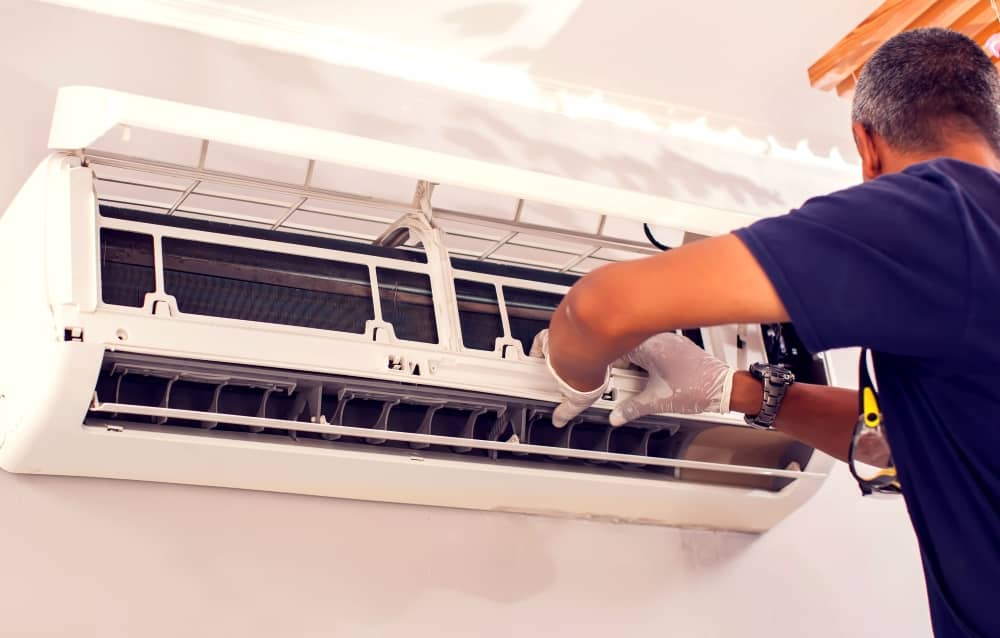
Regular AC service focuses on inspection, cleaning, adjustment, and testing of key components so minor wear or imbalances do not cascade into catastrophic failures. Consistent preventive HVAC maintenance lowers operating stress on the compressor, maintains efficient airflow, and prevents issues such as frozen evaporator coils or motor burnout—common precursors to major repairs.
What routine service includes: the R.E.P.A.I.R. AC Maintenance Framework
Use a named framework to keep service predictable and repeatable. The R.E.P.A.I.R. AC Maintenance Framework covers core actions technicians should follow:
- R—Replace/Inspect filters and belts
- E—Examine coils (evaporator & condenser) and clean as needed
- P—Performance check: refrigerant pressure and temperature split
- A—Airflow assessment: ducts, blower motor, and vents
- I—Inspect electrical connections, capacitors, and contactors
- R—Report and test: run system through cycles and log results
Key preventive tasks in a typical air conditioner maintenance checklist
Below is a condensed air conditioner maintenance checklist derived from the R.E.P.A.I.R. framework that homeowners or facility managers can use to verify service quality:
- Change or clean air filters every 1–3 months.
- Clean condenser fins and remove debris around the outdoor unit.
- Inspect evaporator coil and clean if buildup is present.
- Measure refrigerant pressure and correct leaks before refilling.
- Verify blower motor operation and measure airflow (CFM) where possible.
- Check electrical components and tighten connections.
- Test thermostat calibration and cycle behavior.
Practical benefits: how preventive HVAC maintenance saves money
Routine service redirects degradation into manageable repairs. For example, a dirty filter increases fan load and reduces airflow; that extra stress raises operating temperature and shortens motor life. Replacing a filter and cleaning coils during a scheduled visit avoids the far larger expense of replacing a motor or compressor later. Additionally, systems kept at design efficiency consume less electricity, lowering utility bills—another long-term saving.
Real-world scenario
A three-ton split system in a suburban home developed a slow refrigerant leak. During a scheduled service visit, the technician identified low charge and a small puncture in a line connection. Repairing the leak and recharging refrigerant cost under $300. Without the visit, the low refrigerant would have caused the compressor to run hot and eventually seize, creating a replacement bill exceeding $1,500.
Common mistakes and trade-offs when skipping regular service
Common mistakes
- Only scheduling service after a breakdown—this usually increases repair costs and downtime.
- Ignoring small symptoms such as higher electric bills or weak airflow, which are early warning signs.
- Using only visual checks without performance measurements like static pressure or temperature split.
Trade-offs
Skipping regular service saves money short-term but increases the probability of major failures. There is a balancing point: very old systems (near end-of-life) may see diminishing returns from expensive preventive work versus planned replacement. For most systems under 15 years old, preventive maintenance is cost-effective.
Core cluster questions for related content and internal linking
These five core cluster questions represent common user intents that support deeper coverage and internal linking:
- What are the most important signs that an AC needs service?
- How often should an air conditioning system be professionally serviced?
- Which maintenance tasks can a homeowner perform safely, and which require a technician?
- How does refrigerant level affect AC performance and longevity?
- What is the typical cost range for preventive AC maintenance and common repair fixes?
Practical tips for scheduling and getting value from service
- Schedule service before peak season: spring for cooling systems. This reduces wait times and catches issues early.
- Ask for a written checklist or service report that maps to the R.E.P.A.I.R. framework to ensure consistent coverage.
- Keep records of refrigerant levels, pressures, and component readings to spot trends across seasons.
- Replace filters regularly and keep outdoor unit clear of vegetation between professional visits.
Standards and official guidance
For best-practice guidance on energy-efficient operation and the value of regular maintenance, authoritative industry resources provide clear recommendations. See the ENERGY STAR resources on HVAC efficiency for details about recommended practices and performance metrics.
When to call a professional
Call a licensed technician for electrical failures, suspected refrigerant leaks, persistent compressor issues, or when system performance tests fall outside manufacturer specifications. Regular AC service makes these calls less frequent by catching the issues earlier.
Wrap-up
Consistent preventive HVAC maintenance—guided by a checklist or framework like R.E.P.A.I.R.—reduces the probability of major repairs, keeps systems efficient, and prolongs equipment life. Small, scheduled investments in service typically repay through avoided repair bills and lower energy use.
FAQ: How often should regular AC service be scheduled?
Most manufacturers and HVAC professionals recommend service at least once per year for light residential systems, ideally biannually for systems that also provide heating. A yearly visit focusing on cooling before summer is a common minimum.
FAQ: What does an air conditioner maintenance checklist include?
The checklist usually includes filter replacement, coil inspection/cleaning, refrigerant pressure checks, airflow measurement, electrical inspection, and thermostat calibration.
FAQ: Can regular AC service prevent compressor failure?
Yes. Preventive maintenance reduces the load and overheating conditions that often cause compressor failure by ensuring correct refrigerant charge, clean coils, and proper airflow.
FAQ: Is preventive HVAC maintenance worth the cost?
For most systems under 15 years old, preventive maintenance is cost-effective because it lowers the chance of expensive repairs and keeps energy use near design levels.
FAQ: What are common signs regular AC service is overdue?
Higher-than-usual energy bills, weak or uneven airflow, unusual noises, frequent cycling, and visible dirt accumulation are common signs that service is due.