Personal Loans for Unexpected Costs: A Practical Guide to Choosing and Using One
-

- March 03rd, 2026
- 199 views
When an unexpected bill arrives, personal loans for unexpected costs can be a faster, clearer alternative to credit cards or payday loans. This guide explains how personal loan services work, when they make sense, and how to compare emergency options so borrowing is controlled and affordable.
- Detected intent: Informational
- What this covers: how personal loans work, a named checklist (LOAN CHECK), a short scenario, practical tips, trade-offs and common mistakes.
- Primary keyword: "personal loans for unexpected costs"
How personal loans for unexpected costs work
Personal loans are unsecured installment loans paid back in fixed monthly payments over a set term. Key variables include the loan amount, annual percentage rate (APR), loan term (months or years), origination or application fees, and any prepayment penalties. Lenders evaluate income, debt-to-income ratio, and credit score to set the APR and approve the application. For guidance on loan basics and consumer protections, the Consumer Financial Protection Bureau provides clear explanations.
When a personal loan makes sense
Use cases
- One-time emergency expense (car repair, medical bill) that exceeds liquid savings.
- Bill or tax payment that would otherwise trigger late fees or service interruption.
- Debt consolidation when a personal loan APR is lower than combined credit card rates.
When to avoid a personal loan
- Small, short-term needs better covered by a savings buffer.
- Insufficient income to support payments; borrowing can worsen financial strain.
LOAN CHECK framework: a quick checklist before borrowing
Use the LOAN CHECK framework to evaluate an offer quickly:
- Loan purpose — Is the cost one-time and necessary?
- Offers compared — Get at least three quotes to compare APR and fees.
- Affordability — Confirm monthly payment fits the budget (including buffer for 1–2 missed payments).
- Negotiate — Ask about lowering fees or changing the term if affordable.
- Costs (APR & fees) — Calculate total interest paid over the term.
- History impact — Check how the loan will affect the credit mix and score.
- Emergency reserve — Plan to rebuild savings after borrowing.
- Clauses — Read prepayment and default terms carefully.
- Keep records — Save the loan agreement and payment schedule.
Compare emergency personal loan options
Emergency personal loan options include traditional banks, credit unions, online lenders, and in some cases, peer-to-peer platforms. Credit unions often have competitive rates for members; online lenders may approve faster but sometimes charge higher fees. When comparing, focus on APR, total cost, origination fees, requirement for autopay (sometimes discounted), and the speed of funding.
How lenders evaluate applications
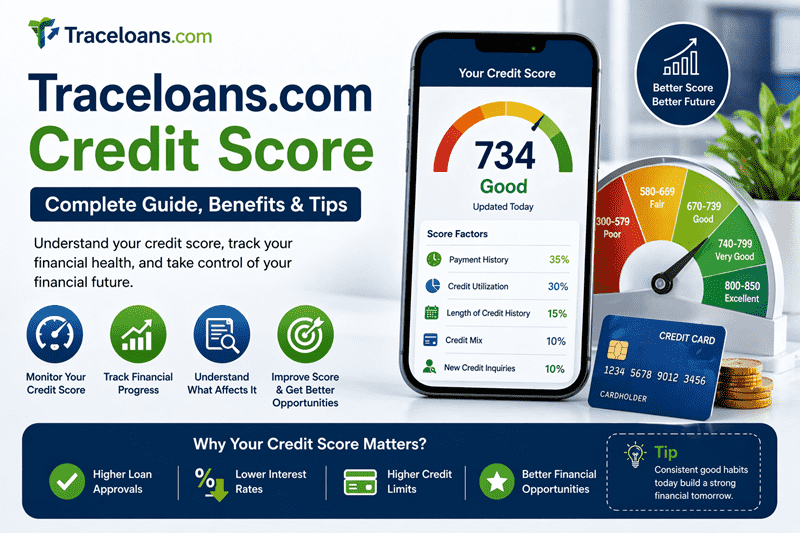
Lenders consider the applicant’s credit score, income, employment stability, and debt-to-income ratio. A higher credit score typically unlocks lower APRs and larger loan amounts. If credit history is limited, a co-signer or secured alternative might be needed. For reliable consumer guidance, reference the Consumer Financial Protection Bureau's resources on borrowing and shopping for loans.
Practical example: a real-world scenario
Scenario: A $3,500 auto repair is required immediately. Savings cover $500; the shortfall is $3,000. A 36-month personal loan at 8% APR on $3,000 yields an approximate monthly payment of $94–$100 and total interest of roughly $200–$300 over the term, depending on fees. Compare that to using a credit card at 20% APR, which would cost significantly more in interest if unpaid quickly. Running the LOAN CHECK items (purpose, offers, affordability) helps determine if the personal loan is the lower-cost, manageable choice.
Practical tips for borrowing and managing payments
- Verify the APR and compute total cost: multiply the monthly payment by term to compare offers fairly.
- Include fees and insurance in cost calculations; sometimes a low headline APR hides high origination fees.
- Choose the shortest term with affordable payments to minimize interest paid over time.
- Set up autopay only if the bank does not impose unexpected penalties; autopay can lower APR for some lenders.
- Rebuild an emergency fund: after the loan, prioritize a small monthly transfer to savings to avoid future borrowing.
Trade-offs and common mistakes
Trade-offs
- Shorter terms = higher monthly payments but less total interest; longer terms = lower monthly payments but more interest overall.
- Fast approval often means higher cost. Slower, traditional routes can save money if time allows.
Common mistakes
- Not comparing APRs and only focusing on monthly payment amounts.
- Ignoring origination or processing fees when calculating total loan cost.
- Borrowing the maximum available rather than the minimum needed for the emergency cost.
- Allowing a loan to replace building an emergency fund; long-term resilience requires savings.
Core cluster questions
- What are safe alternatives to borrowing for an emergency?
- How to compare personal loan APRs and fees?
- When is debt consolidation with a personal loan appropriate?
- What documents are typically required for a personal loan application?
- How does a personal loan affect credit score and credit utilization?
Next steps: quick decision checklist
Before applying, run these quick checks: confirm the exact shortfall amount, get three quotes for APR and fees, verify monthly payment fits the budget, and ensure no cheaper alternative exists. If the loan meets the LOAN CHECK criteria and a repayment plan is in place, proceed with the lowest-cost, compliant lender.
FAQ
Are personal loans for unexpected costs a good idea?
They can be a practical option when savings are insufficient and the loan APR and fees are lower than alternatives (credit cards, payday loans). Use the LOAN CHECK framework and calculate total cost before borrowing.
How quickly can approval and funding happen?
Approval speed varies: some online lenders provide same-day or next-day funding, while banks and credit unions may take several days. Faster funding can cost more, so compare offers if time allows.
Can a personal loan improve credit score?
On-time payments can build positive payment history and diversify credit mix, which can help the credit score over time. Late payments or default have the opposite effect.
What fees should be watched when comparing offers?
Look for origination fees, prepayment penalties, late payment fees, and any requirement for forced insurance. Fees change the effective cost even when APR looks competitive.
What documentation is typically required to apply?
Common documents include government ID, proof of income (pay stubs, tax returns), bank statements, and employment information. Requirements vary by lender and loan size.