Hire Smarter in Canada: How Leading Staffing and Recruitment Companies Improve Hiring Outcomes
-

- March 03rd, 2026
- 232 views
Choosing the best staffing and recruitment company in Canada can transform hiring from a time-consuming gamble into a predictable process that consistently delivers qualified candidates. This guide explains what top firms do differently, the models they use, and practical steps to hire smarter—whether filling temporary roles, technical positions, or executive searches.
Detected intent: Informational
Quick take: Leading staffing and recruitment companies accelerate sourcing, standardize evaluation, reduce legal and compliance risk, and improve retention by combining market data, targeted candidate pipelines, and structured assessment frameworks.
Core cluster questions:
- How do staffing firms find qualified candidates faster?
- When should a company use temporary staffing vs permanent hires?
- What does a recruitment scorecard look like for technical roles?
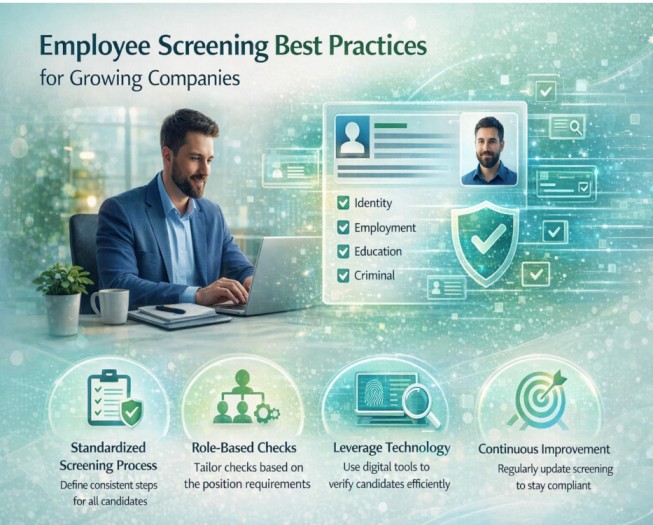
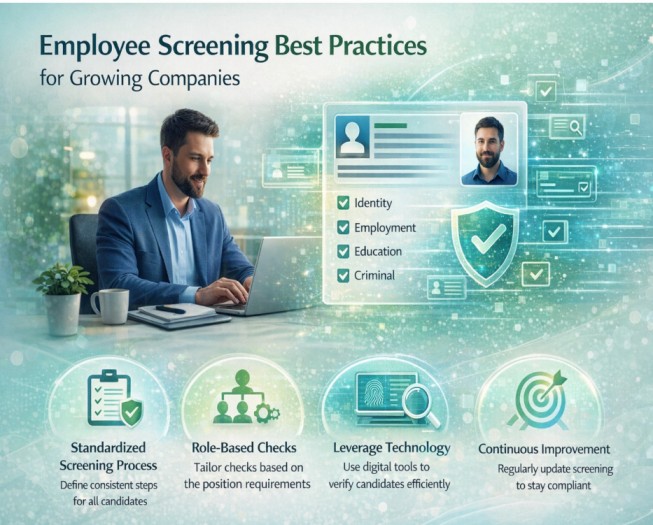
- How do agencies verify candidate credentials and references?
- What are common cost and quality trade-offs when using staffing partners?
The best staffing and recruitment company in Canada: what it actually delivers
Top firms provide more than candidate lists. They deliver repeatable hiring outcomes through three core capabilities: talent market intelligence, specialized sourcing channels, and structured candidate evaluation. Those capabilities reduce time-to-fill, lower bad-hire risk, and improve new-hire productivity.
How leading companies structure their work (framework)
A practical model used by high-performing recruiters is the HIRING SCORECARD framework. It turns vague requirements into measurable hiring decisions:
- Hold objectives: define business outcomes the hire must deliver (e.g., increase uptime by 20%).
- Identify must-have skills and nice-to-have skills with weights.
- Reference check standards and verification checklist.
- Interview structure with behavioral & technical questions (e.g., STAR + practical test).
- Negotiation and offer timeline to reduce drop-off.
- Go/no-go hiring scorecard threshold for final decisions.
This checklist helps hiring managers and recruiters compare candidates objectively and reduces bias in selection.
Where staffing firms add measurable value
Key services that improve results:
- Market mapping and pay benchmarking using labour market data from sources such as Statistics Canada and Job Bank to set competitive offers (Job Bank).
- Specialized candidate pipelines for niches—examples: temporary staffing services Canada for seasonal demand, and recruitment agency for tech hires Canada for software and data roles.
- Structured assessments: work samples, coding tests, or role-play for client-facing positions.
- Compliance and onboarding support to meet provincial employment standards and reduce misclassification risk.
Real-world example: retail chain scales for holiday season
A regional retail chain needed 150 seasonal associates in three weeks. A staffing partner ran local market mapping, launched targeted ads, leveraged a pre-screened temporary staffing pool, and deployed a single-day hiring event. Result: 150 trained associates onboarded in 18 days, a 40% reduction in typical time-to-fill, and 10% higher first-week retention vs prior years because of role-fit screening and standardized onboarding.
Practical tips to get the most from a staffing partner
- Define success metrics before engagement (time-to-productivity, 90-day retention, cost-per-hire).
- Provide role-specific assessment tasks to standardize evaluation across candidates.
- Insist on real market data and a documented sourcing plan for transparency.
- Ask for a transition plan if temporary hires convert to permanent roles (reduces churn).
Common mistakes and trade-offs
Using a staffing firm involves trade-offs. Common mistakes include:
- Over-emphasizing speed: rapid hiring can sacrifice cultural fit and increase turnover.
- Ignoring assessment quality: skipping skills tests inflates interview-to-hire ratios.
- Assuming one-size-fits-all pricing: commodity staffing is cheaper, but specialized sourcing for senior or technical roles costs more and delivers higher long-term value.
Trade-offs to consider: cost vs quality, speed vs screening depth, and internal control vs outsourcing convenience. For regulated industries, prioritize compliance and documentation over marginal cost savings.
Measuring success: KPIs that matter
Track these indicators to judge a staffing partner:
- Time-to-fill and time-to-productivity
- 90-day retention and performance against role objectives
- Offer acceptance rate and candidate experience scores
- Cost-per-hire including agency fees and onboarding costs
Practical negotiation checklist
- Define service levels (SLA) and penalties for missed timelines.
- Set transparency requirements for candidate source and screening steps.
- Agree on conversion terms for temps-to-perm hires and any replacement guarantees.
FAQ
Is the best staffing and recruitment company in Canada worth using for small businesses?
Yes, when aligned with clear metrics. Small businesses benefit most when a recruiter reduces hiring cycle time, brings a local candidate pipeline, and provides fixed-cost options for temporary coverage. Ensure the engagement model fits company size—project-based or cohort hiring can be more cost-effective than open-ended retainers.
How do temporary staffing services Canada differ from permanent recruitment?
Temporary staffing focuses on speed, compliance, and payroll administration; permanent recruitment emphasizes cultural fit, executive search networks, and longer assessment cycles. Use temporary services for short-term demand and specialist recruiters for strategic permanent roles.
Can a recruitment agency for tech hires Canada verify candidate technical skills reliably?
Reliable agencies use validated skills tests, live coding interviews, and work sample reviews. Ask for sample assessments and validation metrics (false-positive/negative rates) before engaging.
What are reasonable performance guarantees to expect from a staffing partner?
Common guarantees include 30–90 day replacement windows, basic background checks, and documented SLAs for time-to-fill. For executive placements, guarantees are typically longer and tied to performance milestones.
How should employers evaluate cost vs value when selecting a recruiter?
Calculate total cost of vacancy plus onboarding failure costs. Higher upfront fees may be justified by faster time-to-productivity and lower turnover; ask prospective partners for case studies or ROI examples relevant to the role.