How Zomato Is Transforming Train Food Delivery Across India
-
- March 04th, 2026
- 294 views
Zomato train food delivery in India: what changed and why it matters
Zomato train food delivery in India has reshaped how passengers order meals on long-distance journeys by combining a consumer food-delivery model with railway schedules and local vendors. This article explains the operational model, real-world impacts, and practical steps passengers and vendors can take to use the service reliably.
Zomato adapted restaurant delivery systems and tech infrastructure to the constraints of Indian Railways, enabling scheduled meal handoffs at stations, real-time tracking, and vendor quality controls. This guide covers the service model, benefits and trade-offs, a named checklist for vendors and passengers, a short scenario, practical tips, and five core cluster questions for further reading.
Detected intent: Informational
How the Zomato train food delivery in India model works
The service coordinates meal preparation with station arrival times, local partner kitchens, and delivery agents or station vendors. Orders are placed via the platform before or during travel, mapped to a scheduled station where handover occurs. Key components include schedule integration, local vendor onboarding, real-time order routing, and quality checks.
Core components and stakeholders
- Passengers: place orders linked to PNR and arrival station.
- Platform: manages order timing, routing, and customer support.
- Local vendors/partner kitchens: prepare meals to standardized packaging and hygiene norms.
- Delivery partners or station representatives: execute the station pickup and handoff.
- Railway authorities: provide station access and timing data.
Integration with rail schedules and safety
Successful execution depends on accurate timetable data, punctuality buffers, and standard operating procedures for handling late trains. Collaboration or compliance with Indian Railways rules is essential for permitted station activity; see the Indian Railways site for official guidelines: Indian Railways.
Benefits, trade-offs, and common mistakes
Benefits for passengers and vendors
- Convenience: pre-ordering reduces the need to rely on on-board pantry cars or station vendors of unknown quality.
- Choice: wider cuisine options through third-party kitchens.
- Vendor access: local restaurants gain volume from transient customers.
Trade-offs and common mistakes
Adopting this model involves trade-offs: delivery timing is tightly coupled to train punctuality, packaging must withstand transit, and quality control across many small vendors is challenging. Common mistakes include:
- Assuming guaranteed delivery regardless of extreme delays—late trains can break timing assumptions.
- Choosing perishable or complex dishes that lose quality quickly after preparation.
- Vendors skipping standardized packaging or temperature controls to save costs.
TRAIN checklist: a framework for reliable train meal deliveries
Use the TRAIN checklist to evaluate readiness and execution:
- T – Timing margins: add buffer minutes to scheduled arrival to accommodate delays.
- R – Routing accuracy: confirm PNR-to-station mapping and platform access procedures.
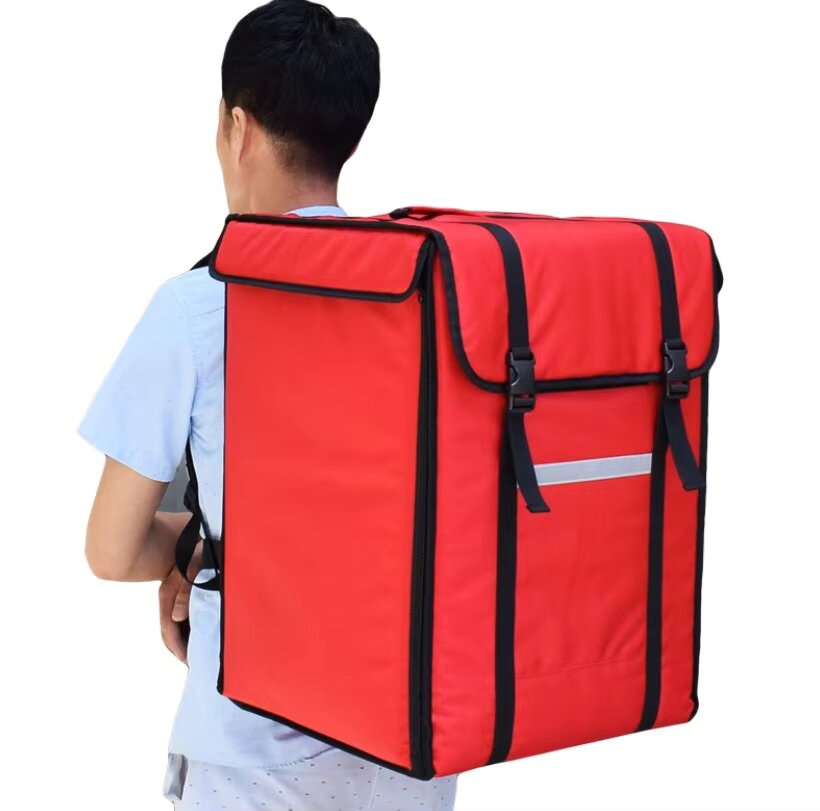
- A – Appropriate packaging: thermal and spill-proof containers with clear labeling.
- I – Inventory and menu selection: pick items that travel well for the expected transit window.
- N – Notification and contingency: real-time alerts to passenger and vendor with fallback options.
Real-world example scenario
A passenger traveling from Delhi to Mumbai places an order for a vegetarian thali mapped to a scheduled station handoff at Kota Junction. The vendor receives the PNR and expected arrival time, prepares the meal with thermal packaging, and a delivery representative meets the train at the designated platform with a confirmed PNR and coach location. Because the TRAIN checklist added a 15-minute timing buffer and a fallback vendor near the station was pre-assigned, the handoff succeeds despite a moderate delay.
Practical tips for passengers and vendors
- For passengers: add extra time buffers to arrival windows in the app and choose items that travel well (avoid fried items that lose crispness quickly).
- For vendors: standardize packaging, label orders with PNR and coach details, and train staff in quick handoff procedures for platforms with limited access.
- Use the app's live tracking and contact options; confirm coach and seat numbers when placing the order to speed the handoff.
- Keep digital receipts and photos of packaging and labels—useful if issues require customer support escalation.
Operational tips for platform operators
- Map train punctuality statistics into routing logic and surface expected reliability to users.
- Audit vendor hygiene and packaging standards periodically and provide training resources aligned with local food safety rules.
- Provide explicit contingency choices at checkout (refund, re-route to next station, or alternate item).
Measuring success and addressing challenges
Key performance indicators include on-time handoff rate, order accuracy, customer satisfaction scores, and incident rates (temperature or spoilage complaints). Addressing challenges requires constant data feedback loops, vendor training, and stronger schedule integration with railway operations.
Common mistakes (recap)
- Undervaluing train delays—always surface delay risk to customers.
- Poor labeling and mismatched PNR information, which slows handoffs.
- Insufficient packaging standards that lead to temperature or spill issues.
Core cluster questions
- How to order meals for a specific PNR and station stop?
- What packaging standards keep warm food safe on trains?
- How do train delays affect scheduled food handoffs and refunds?
- What are best practices for vendors signing up to serve rail passengers?
- How to choose travel-friendly menu items for long-distance trains?
FAQ
How does Zomato train food delivery in India work and is it reliable?
Orders are linked to PNR and mapped to a station-based handoff window. Reliability depends on train punctuality, vendor readiness, packaging quality, and clear PNR-to-coach mapping. Using timing buffers and the TRAIN checklist improves reliability.
Can passengers request refunds if a delivery fails due to train delays?
Most platforms provide contingency policies—refunds, re-delivery at the next suitable station, or credit—depending on the service terms and the delay reason. Check the platform's refund policy before ordering.
Are there hygiene standards vendors must follow for railway deliveries?
Vendors should follow local food safety rules and platform-mandated hygiene checks. Platforms often require documentation, periodic audits, and packaging standards to reduce contamination and temperature-related spoilage.
What menu items travel best on trains and why?
Sturdy meals that retain texture and temperature—rice and curry combos, dals, stews, and wrapped snacks—are better choices than highly perishable or crisp-only items. Choosing reheatable or thermal-stable options reduces quality loss during handoff windows.
How can vendors onboard successfully to serve railway passengers?
Follow the TRAIN checklist: plan timing margins, confirm routing accuracy, invest in appropriate packaging, curate travel-friendly menus, and ensure notifications and contingency plans are in place.