How Intelligent CRM Systems Drive Sales Success: Strategy, Framework, and Implementation
-
- March 07th, 2026
- 162 views

Get a free topical map and start building content authority today.
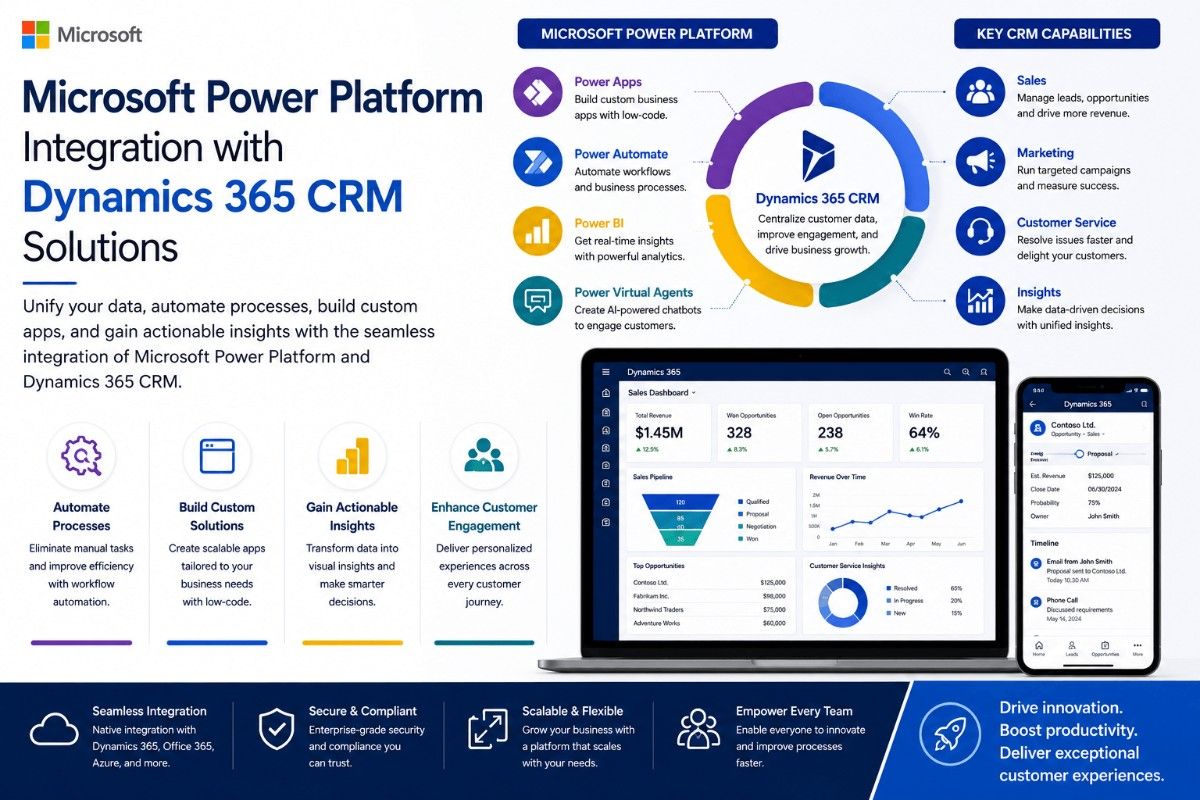
Intelligent CRM systems combine customer data, automation, and machine learning to improve selling efficiency, target the right prospects, and increase close rates. This guide explains what intelligent CRM systems are, how they change sales workflows, a proven implementation framework, and practical steps to adopt them without common pitfalls.
- Detected intent: Informational
- Primary focus: intelligent CRM systems for improving sales performance
- Includes: SCALE framework, short example, 3–5 practical tips, common mistakes, and a 5-question cluster for related content
Intelligent CRM Systems: What They Are and Why They Matter
Intelligent CRM systems use automation, predictive analytics, and integrated customer data to support sales processes such as lead scoring, opportunity prioritization, and next-best-action recommendations. By combining CRM databases with AI models, workflow automation, and CRM analytics for sales performance, organizations can reduce manual tasks, shorten sales cycles, and focus sales effort on the highest-value opportunities.
SCALE Framework: A Practical Model for Implementation
Adopting intelligent CRM systems is a project with technical, data, and organizational components. The SCALE framework—Strategy, Clean data, Automation & AI, Launch, Evaluate—provides a repeatable path to practical results.
Strategy
- Define the sales outcomes to improve (e.g., lead-to-opportunity conversion, average deal size, win rate).
- Map which parts of the pipeline will be automated or augmented by AI (lead routing, forecasting, playbooks).
Clean data
- Audit CRM records, deduplicate contacts, and standardize fields. Reliable predictive models require consistent data.
- Consider a customer data platform (CDP) or master data plan for multi-source integration.
Automation & AI
- Start with rules-based automation (email sequences, task creation) and add predictive lead scoring and next-best-action models later.
- Use CRM analytics for sales performance to validate model signals before full rollout.
Launch
- Pilot with one sales team or segment. Capture baseline metrics for direct comparison.
- Train users on changed workflows and establish feedback loops with sales managers.
Evaluate
- Measure lift in conversion rates, time-to-close, and salesperson time saved. Iterate on models and automations.
Core Capabilities: What Intelligent CRM Systems Usually Include
- Predictive lead scoring (machine learning models ranking leads by conversion probability)
- Salesforce automation and workflow orchestration (task automation, email templates, lead routing)
- Conversation intelligence (call transcription and sentiment analysis)
- Integrated analytics and dashboards for forecasting and pipeline health
- Embedded next-best-action recommendations and playbook triggers
Implementation Steps: A Practical Checklist
Follow this checklist during an implementation to reduce risk and deliver measurable outcomes:
- Define success metrics and baselines (conversion rate, average deal size, time in stage).
- Clean and unify data in CRM and connected systems (marketing automation, ERP).
- Implement basic automation workflows before adding AI models.
- Pilot predictive scoring with a small segment; compare model predictions with historical outcomes.
- Train users, collect feedback, and iterate on both models and processes.
Real-world example
A mid-size B2B software firm implemented an intelligent CRM system focused on lead scoring and automated outreach. After cleaning CRM data and piloting a predictive scorer on one vertical, the sales team saw a 15% increase in qualified opportunities and reduced cold outreach by 30%. The rollout followed the SCALE framework and used weekly sprint reviews to adjust scoring thresholds and email cadences.
Practical Tips for Sales Leaders
- Start with one measurable use case (e.g., lead scoring) rather than trying to automate the full funnel at once.
- Maintain human oversight: use AI recommendations to assist decisions, not replace experienced reps.
- Instrument everything for measurement: capture before/after metrics and A/B test automations where possible.
- Prioritize data hygiene: poor data undermines even the best models.
Trade-offs and Common Mistakes
Implementing intelligent CRM systems comes with trade-offs:
- Speed vs. accuracy: fast model deployment may produce early benefits but require tuning to avoid false positives.
- Complexity vs. adoption: highly automated workflows can reduce workload but hurt adoption if they change seller behavior too much.
- Cost vs. benefit: advanced AI features add cost; measure ROI with a pilot before full investment.
Common mistakes include skipping data cleanup, failing to align sales and operations on definitions, and not providing ongoing training for users.
Privacy, Security, and Compliance
Customer data and automated decisioning create legal and security obligations. Adopt information security standards such as ISO/IEC 27001 for data protection and follow regional data protection rules (for example, GDPR) when processing EU personal data. See authoritative guidance on privacy frameworks here: gdpr.eu.
Core Cluster Questions
Use these five questions as topics for related articles, internal linking, or deeper user guides:
- How does predictive lead scoring work and what inputs are most effective?
- What metrics should sales teams track after deploying intelligent CRM systems?
- How to design an A/B test for CRM automation and email sequences?
- What data hygiene processes prevent model drift in CRM systems?
- How to integrate conversation intelligence with existing CRM workflows?
Related Terms and Technologies
Terms to know: sales automation, predictive analytics, customer data platform (CDP), conversation intelligence, natural language processing (NLP), machine learning, business intelligence (BI), and sales enablement. Aligning these technologies with CRM workflows is essential to create a coherent sales stack.
FAQ
What are intelligent CRM systems and how do they improve sales?
Intelligent CRM systems apply analytics and automation to CRM data to surface high-priority leads, recommend next actions, and automate routine tasks. That combination improves sales productivity, shortens cycles, and increases conversion by directing effort to the highest-impact activities.
How long does it take to see ROI from an AI-enhanced CRM?
Typical pilot cycles are 6–12 weeks for initial pilots; measurable ROI can appear within 3–6 months after cleaning data and deploying targeted automations like lead scoring and email cadences. Results depend on data quality and alignment with sales processes.
What are the security and privacy considerations when using intelligent CRM systems?
Protect data with encryption, role-based access controls, and retention policies. Follow applicable regulations—such as GDPR for EU data—and assess vendor compliance with security standards like ISO/IEC 27001.
How should teams prioritize features like predictive scoring, conversation intelligence, or automation?
Prioritize based on potential impact and implementation complexity. Start with the feature that addresses the largest pain point and has the clearest measurement—commonly predictive scoring for resource-constrained sales teams—then add conversation intelligence and broader automation.
Can small sales teams benefit from intelligent CRM systems?
Yes. Small teams often gain disproportionate benefits by automating administrative work and using predictive scoring to focus scarce selling hours. Begin with low-cost pilots and scale as measurable gains appear.