VISIA Skin Analysis: A Practical Introduction to Imaging, Metrics, and Meaning
-

- March 07th, 2026
- 512 views
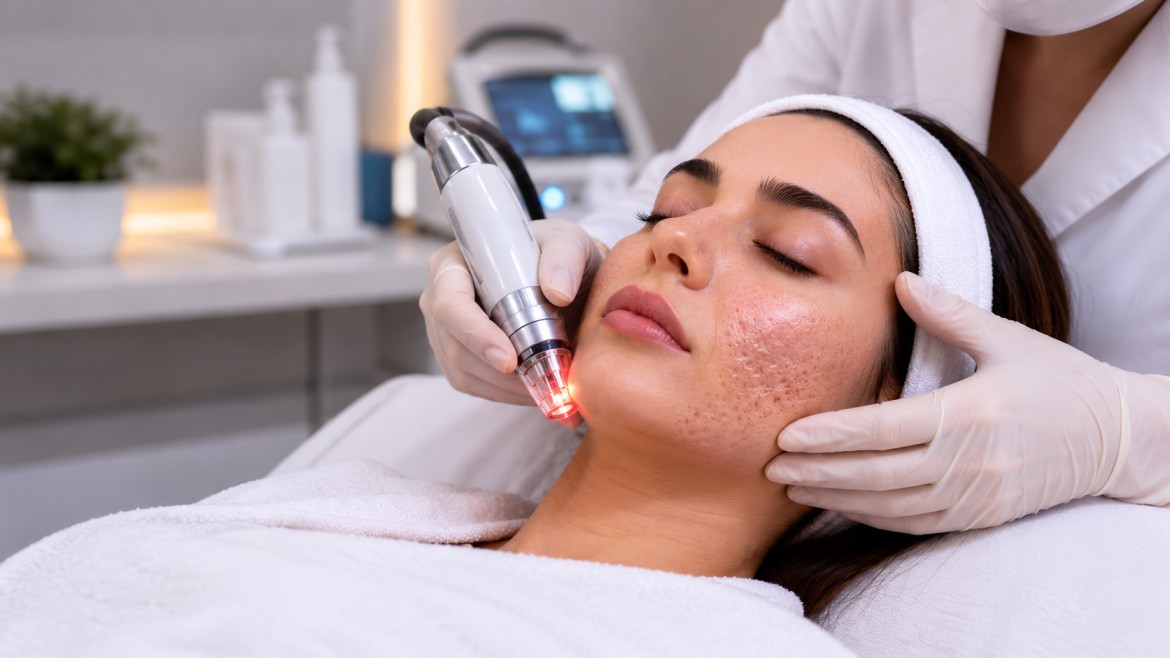
VISIA skin analysis is a clinical imaging system that uses multi-spectral photography and software algorithms to measure complexion features—wrinkles, spots, pores, UV damage, porphyrins, melanin concentration, and vascular conditions—so clinicians and consumers can track skin condition objectively.
- Detected intent: Informational
- What this guide covers: how VISIA skin analysis works, core measurements, a named readiness checklist, a short real-world scenario, practical tips, common mistakes, and five core cluster questions for further reading.
- Primary keyword: VISIA skin analysis
VISIA skin analysis: what it measures and why it matters
The VISIA system combines standard, cross-polarized, and UV/fluorescence photography with algorithms that highlight features not always visible to the naked eye—melanin distribution (melanin map), porphyrins (bacterial markers), sub-surface UV spots, vascular patterns, and surface texture. Those quantitative outputs support treatment planning, progress tracking, and patient education.
How the system works (technical overview)
VISIA captures images under different light spectra, isolates clinical channels (surface vs. sub-surface), and creates standardized scores for comparison over time. This is an application of multispectral imaging and computer vision methods that many dermatology devices now use for objective documentation.
Key measurements and related terms
- Spots and pigmentation: melanin map, UV spots
- Wrinkles and texture: surface topography, pore visibility
- Porphyrins: fluorescence of C. acnes bacteria within follicles
- Vascularity: redness and broken capillaries
- Complexion analysis: combined score used for baseline and progress tracking
When to use VISIA skin analysis
Clinical and cosmetic applications
VISIA can be useful for baseline documentation before cosmetic treatments (chemical peels, lasers, injectables), for acne management when porphyrins are relevant, and for monitoring pigment or vascular therapies. For broader recommendations on skin evaluation, professional societies such as the American Academy of Dermatology provide guidance on assessment and documentation (see professional guidance).
Limitations and what it does not replace
Imaging augments but does not replace a clinical exam. VISIA’s scores depend on lighting, positioning, and the specific software version; clinical context and medical history remain essential.
VISIA Analysis Readiness Checklist (named framework)
Use the following checklist before a VISIA capture to ensure reliable, repeatable results.
- Clean face: remove makeup, lotions, and topical products.
- Consistent positioning: chin and forehead rests used the same way each session.
- Room conditions: minimize ambient light and maintain consistent room setup.
- Capture protocol: use the same capture modes (standard, cross-polarized, UV) every visit.
- Documentation: record date, time, device software version, and any facial treatments in previous 4 weeks.
Practical tips for clinicians and consumers
Actionable points
- Schedule imaging before any facial treatments or heavy topical applications to avoid artifacts.
- Use the checklist above and photograph at consistent intervals to measure real change, not day-to-day noise.
- Combine VISIA outputs with clinical notes—images are objective but need interpretation in context (skin type, meds, sun exposure).
- Export and archive images along with baseline consent and treatment goals for medico-legal clarity and patient communication.
Common mistakes and trade-offs
Typical pitfalls to avoid
- Relying solely on the numeric score: a small numeric change can be clinically irrelevant without context.
- Poor capture consistency: different lighting, angles, or software versions reduce comparability.
- Overinterpreting porphyrins: visible fluorescence suggests bacterial presence but does not replace culture or clinical diagnosis.
Real-world example scenario
Scenario
Aesthetic clinic documents a baseline VISIA capture for a patient starting a series of fractional laser treatments for sun damage. The initial report shows prominent UV spots and melanin concentration in the cheeks. The clinician uses the VISIA baseline to set measurable goals: reduce visible UV spot area by a target percentage at three months, monitor porphyrin changes if post-treatment erythema persists, and adjust sun-protection counseling based on the melanin distribution.
Core cluster questions
- What clinical features does VISIA analyze?
- How should patients prepare for a VISIA imaging session?
- How to compare VISIA results over time reliably?
- What do porphyrin and UV spot measurements indicate clinically?
- How does VISIA imaging fit into a broader skin-care treatment plan?
Implementation and data management notes
Maintain device calibration records, back up images in secure medical records if used clinically, and confirm software versions when comparing longitudinal data. For regulatory context about medical device documentation and clinical use, refer to professional standards and local regulations.
Frequently asked questions
What is VISIA skin analysis and how does it work?
VISIA skin analysis uses multi-spectral photography and software algorithms to produce quantified maps of pigmentation, vascularity, porphyrins, texture, and sun damage. Images are captured in controlled lighting and processed to create repeatable scores and visual maps that support clinical decisions.
Does VISIA replace a dermatologist’s diagnosis?
No. VISIA provides objective imaging and metrics that complement a professional exam. Diagnosis and treatment decisions still require a clinician’s assessment of signs, symptoms, and patient history.
How often should VISIA be performed to track progress?
Interval depends on the treatment: for some laser or topical regimens, re-evaluation at 4–12 weeks is common. Consistency matters more than frequency—use the same capture protocol every time.
Can differences in lighting or software affect VISIA results?
Yes. Changes in lighting, patient positioning, or software version can create apparent differences. Follow the readiness checklist and document capture settings to ensure valid comparisons.
Is VISIA useful for acne assessment?
VISIA can highlight porphyrins associated with C. acnes fluorescence and provide pore maps that help track treatment response, but it is one component in comprehensive acne management.