Laser Hair Removal During Pregnancy: Safety, Risks, and Practical Alternatives
-

- March 12th, 2026
- 564 views

FREE SEO Topical Map Generator: Find Your Next Content Ideas
Many people ask whether laser hair removal during pregnancy is safe and what options exist for managing unwanted hair while pregnant. This article explains the current medical guidance, practical alternatives, common risks, and an easy checklist to use when making decisions about cosmetic hair treatments during pregnancy.
Detected intent: Informational
- Most experts advise avoiding laser hair removal during pregnancy because safety data are limited and elective cosmetic procedures are usually postponed.
- Non-laser options that do not involve heat or strong topical medications are commonly used during pregnancy.
- Use the PREGNANT-SAFE checklist before any procedure and consult prenatal care providers when in doubt.
Core cluster questions (useful for further reading or internal links):
- Is laser hair removal safe while pregnant?
- What hair removal methods are recommended during pregnancy?
- Can laser hair removal affect the fetus or placenta?
- When is it safe to resume laser hair removal after childbirth or breastfeeding?
- How does pregnancy-related skin sensitivity change hair removal choices?
Laser Hair Removal During Pregnancy: What the evidence and professional guidance say
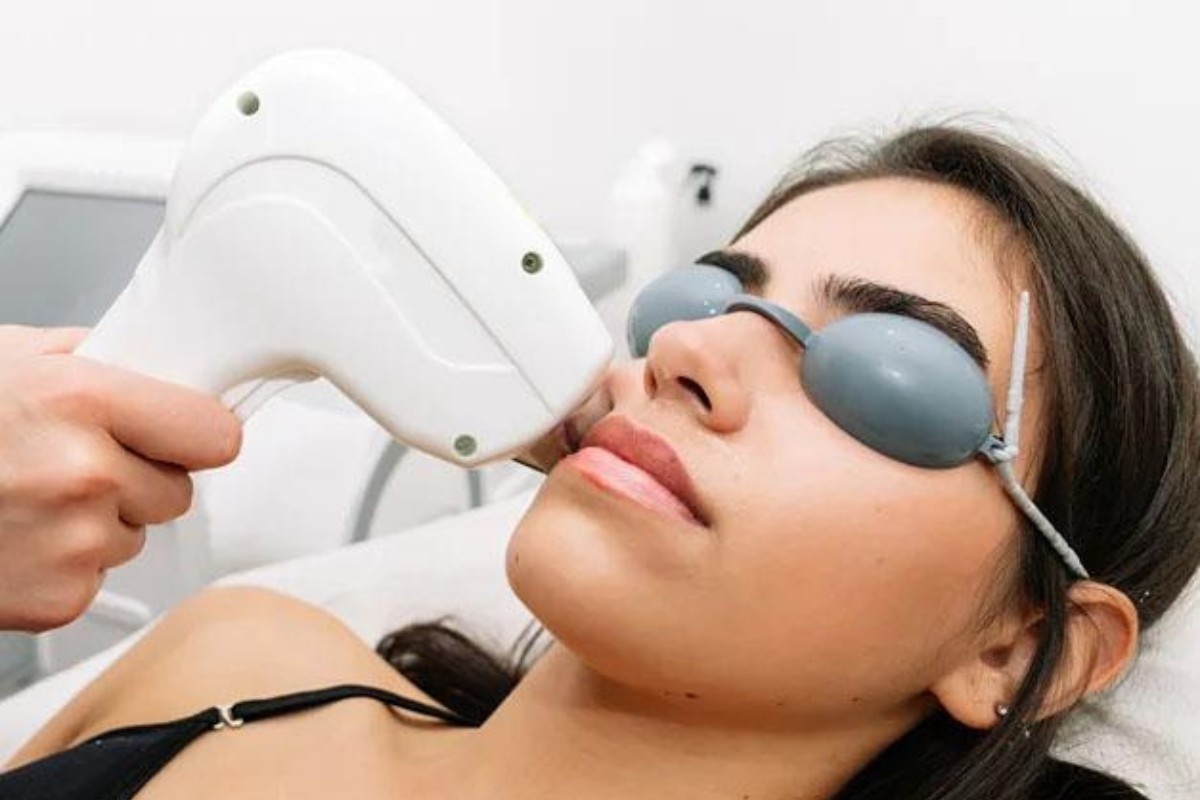
Clinical research specifically studying laser hair removal during pregnancy is very limited. Because hair removal devices use concentrated light energy and many manufacturers have not tested these treatments in pregnant populations, most obstetric organizations and clinics advise postponing elective laser procedures until after delivery and breastfeeding. For a summary of professional guidance on elective cosmetic procedures during pregnancy, see the American College of Obstetricians and Gynecologists guidance: ACOG — Cosmetic Surgery and Pregnancy.
Why laser hair removal during pregnancy is usually postponed
Lack of safety data
Randomized trials and large observational studies about teratogenic risk, placental transfer, or fetal outcomes related to laser exposure in pregnancy are not available. Medical guidance favors caution for any elective procedure without clear safety evidence.
Increased skin sensitivity and pigment changes
Pregnancy causes hormonal skin changes, including melasma and increased pigmentation (hyperpigmentation). Those changes raise the risk of post-treatment pigmentation issues after laser or intense pulsed light (IPL) treatments.
Potential for procedure-related stress
Procedures can cause discomfort, anxiety, or minor systemic responses; while not proven harmful to a fetus, avoiding extra stressors is a standard precaution during pregnancy.
Safe alternatives and pregnancy hair removal options
Non-elective, low-risk hair removal methods are typically preferred while pregnant. Options include:
- Shaving — immediate, low-risk, but requires frequent attention.
- Manual or electric trimmers — useful for large areas and sensitive skin.
- Gentle waxing (after a skin test) — avoid if skin is unusually sensitive or blistered; consult a provider.
- Depilatory creams — check ingredients and perform a patch test; avoid on irritated or hyperpigmented skin.
- Electrolysis — generally postponed because it involves multiple sessions and limited pregnancy-specific safety data.
PREGNANT-SAFE checklist (a simple decision framework)
Use this named checklist before considering any hair-removal procedure while pregnant:
- Pregnancy status: Confirm pregnancy and disclose it to any provider.
- Risk assessment: Ask about evidence and potential skin changes related to pregnancy.
- Evidence: Prefer methods with established pregnancy safety or long clinical use (shaving, trimming).
- Gauge skin sensitivity: Patch-test any chemical or heat-based method on a small area.
- Neonatal considerations: Plan to postpone treatments that may require repeat exposure until after breastfeeding if uncertain.
Real-world scenario
Scenario: A person at 20 weeks pregnant is bothered by facial peach fuzz and hyperpigmentation is worsening. A laser clinic offers facial laser hair removal. Applying the PREGNANT-SAFE checklist results in choosing a gentle facial razor or trimming and delaying laser until after delivery and breastfeeding. The decision reduces risk of pigmentation changes and avoids procedures without pregnancy-specific safety data.
Practical tips for managing unwanted hair while pregnant
- Communicate pregnancy to every cosmetic provider and ask directly if their protocols consider pregnancy-related skin changes.
- Perform a patch test before waxing, depilatory cream, or any heat-based method to check for exaggerated reactions.
- Prefer mechanical removal (shaving, trimming) for sensitive areas; keep tools clean to reduce infection risk.
- If severe hair growth changes occur, discuss medical evaluation—some conditions causing rapid hair changes warrant clinical assessment.
- Plan to reassess cosmetic treatments after childbirth and after breastfeeding; many providers recommend waiting 6–12 months for hormones to stabilize before resuming laser sessions.
Trade-offs and common mistakes
Trade-offs
Choosing to postpone laser hair removal during pregnancy trades short-term convenience for reduced uncertainty and risk. Resuming after pregnancy might require more sessions because of postpartum hormonal hair regrowth, but it avoids potential pigment and sensitivity complications that can be worse when pregnant.
Common mistakes
- Assuming a single clinic or device has been proven safe in pregnancy—most manufacturers do not test pregnant populations.
- Skipping a patch test on changed skin—pregnancy can alter skin response quickly.
- Using topical treatments containing medications (like those with retinoids) for hair-related skin issues without medical advice—avoid certain actives during pregnancy.
When to resume laser hair removal after pregnancy
Most clinicians recommend waiting until after childbirth and, if breastfeeding, often until after breastfeeding is complete. Hormonal fluctuations stabilize several months postpartum; waiting 6–12 months often produces more predictable results and lowers the chance of pigment complications.
FAQ
Is laser hair removal during pregnancy safe?
There is insufficient evidence to declare laser hair removal during pregnancy safe. Professional guidance typically favors postponing elective cosmetic laser treatments until after delivery and breastfeeding.
Can laser treatment during pregnancy harm the fetus?
No direct evidence shows fetal harm from external laser hair removal, but high-quality safety data are lacking. The principal concern is potential skin reactions in the pregnant person and the absence of controlled studies on fetal outcomes.
Are there hair removal methods that are safer while pregnant?
Yes. Shaving, trimming, and cautious use of depilatory creams after a patch test are commonly used. Waxing can be acceptable if the skin tolerates it well, but increased skin sensitivity during pregnancy raises the risk of irritation.
When is it safe to return to laser hair removal after childbirth?
Waiting until hormones stabilize is recommended; many providers suggest waiting 6–12 months postpartum and considering the timing of breastfeeding when planning sessions.
What should be discussed with a prenatal care provider before any cosmetic procedure?
Discuss the procedure type, device or product, evidence of safety in pregnancy, skin changes, and whether any topical or systemic products will be used. If there is uncertainty, prioritize noninvasive, well-established methods and delay elective laser treatments.
Further reading and clinical guidance can be found through professional obstetrics organizations and national health services; when in doubt, consult a prenatal care provider before booking cosmetic laser treatments.