Liquid Rhinoplasty vs Rhinoplasty Surgery in Dubai: A Practical Guide to Risks, Costs, and Recovery
-

- March 03rd, 2026
- 705 views
Detected intent: Informational
Choosing between liquid rhinoplasty vs rhinoplasty surgery in Dubai requires understanding differences in technique, recovery, longevity, and risk. This guide explains both options, shows real-world trade-offs, and provides a compact decision checklist for patients considering a non-surgical nose job or surgical nasal reshaping.
- Liquid rhinoplasty (injectable fillers) provides temporary contour changes with minimal downtime; best for minor dorsal bumps or tip asymmetry.
- Surgical rhinoplasty alters bone and cartilage for permanent structural changes; requires anesthesia and longer recovery but can correct breathing issues and major deformities.
- Costs, risks, and recovery differ significantly—use the DECIDE checklist below to prioritize goals and safety.
Liquid Rhinoplasty vs Rhinoplasty Surgery: Core differences
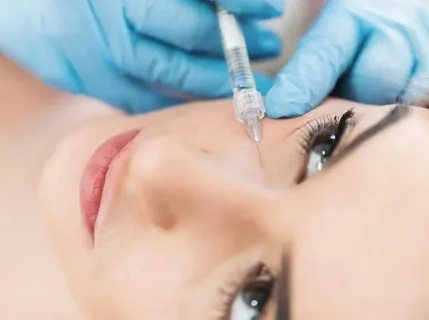
Liquid rhinoplasty vs rhinoplasty surgery contrasts two approaches: hyaluronic acid (or other filler) injections for temporary reshaping, versus open or closed rhinoplasty that repositions bone and cartilage. Non-surgical nose job Dubai clinics often advertise fast results, while surgical rhinoplasty in Dubai focuses on permanent anatomical correction and functional improvement (septoplasty, valve repair).
When each option is appropriate
Liquid fillers are appropriate for patients seeking small contour improvements—filling a dorsal depression, lifting a droopy tip slightly, or smoothing minor irregularities. Surgical rhinoplasty is the correct choice when structural change is needed: reducing a large dorsal hump, narrowing the nasal bones, correcting a deviated septum, or addressing long-term breathing problems.
DECIDE checklist: A named framework for choosing
Use the DECIDE checklist to structure consultations and decisions.
- D — Degree of change needed (minor contouring vs structural reshaping)
- E — Expectations (temporary vs permanent results)
- C — Clinical factors (breathing, previous surgery, skin thickness)
- I — Invasiveness and downtime acceptable
- D — Doctor credentials and licensing (board certification, DHA registration)
- E — Expense and follow-up (cost, maintenance, revision probability)
Costs, downtime, and longevity
Costs in Dubai vary widely: liquid rhinoplasty typically costs less per session but requires repeat treatments every 6–24 months depending on filler type. Surgical rhinoplasty has higher upfront cost and longer recovery (1–3 weeks of visible downtime, months to a year for final shape) but offers permanent results. Consider surgical rhinoplasty recovery Dubai timelines and plan work/leisure accordingly.
Risks and safety considerations
Both procedures carry risks. Fillers risk vascular occlusion, skin necrosis, and migration if injected incorrectly. Surgical risks include bleeding, infection, scarring, nasal obstruction, and the need for revision. Always confirm practitioner credentials and facility licensing. For local regulatory guidance, consult the Dubai Health Authority.
Common mistakes and trade-offs
- Choosing filler to fix a structural issue—delay of correct treatment and cost of future revision.
- Prioritizing cost over credential checking—unskilled injections or surgery increase complication risk.
- Unrealistic expectations—fillers cannot reduce nasal width or correct severe septal deviation.
Real-world example
Scenario: A 29-year-old patient in Dubai has a small dorsal dip and a slightly drooping tip but no breathing problems. After consultation, the DECIDE checklist shows that expectations are modest and downtime must be minimal. Liquid rhinoplasty with a hyaluronic acid filler corrects the dip and subtly lifts the tip; results last about 12 months. The patient understands future maintenance and documents before/after photos for surgical planning if a permanent change is later desired.
Practical tips before booking
- Verify practitioner licensing and experience with nasal anatomy—ask for DHA registration and case portfolio.
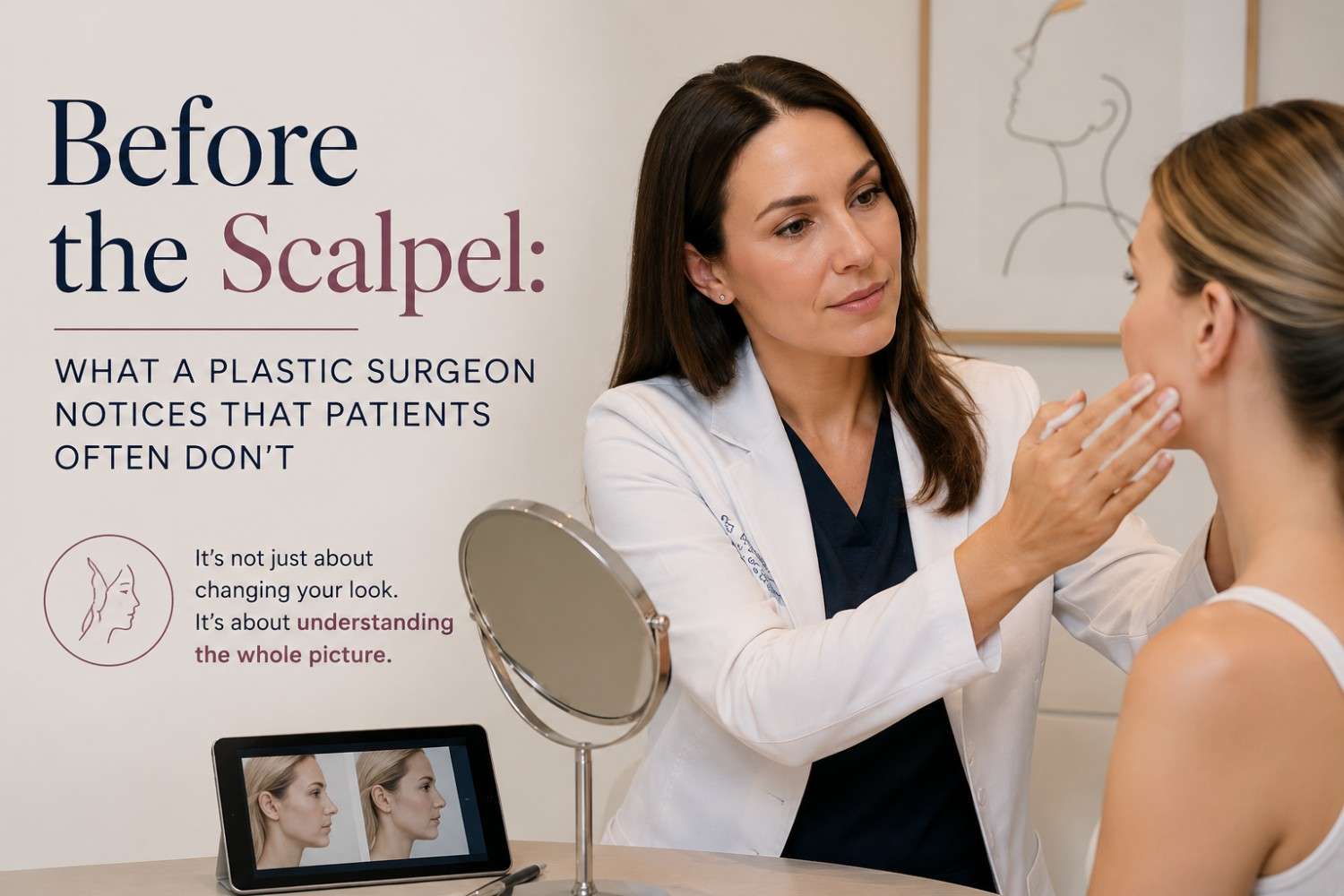
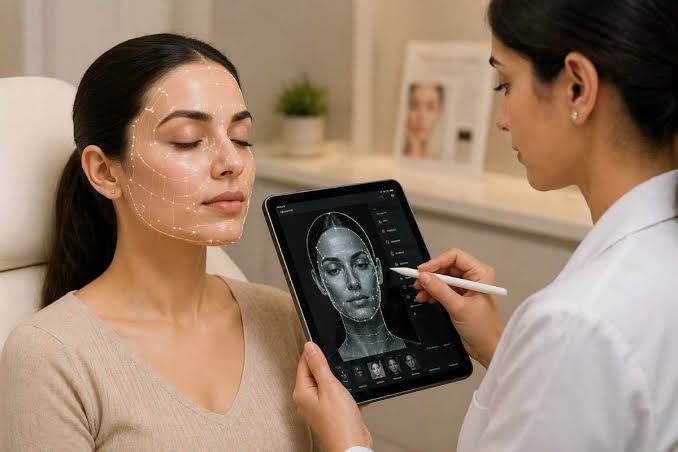
- Request a consultation to see digital simulations and discuss functional assessments (breathing, sleep apnea history).
- Plan downtime: avoid work or travel for at least 48–72 hours after fillers and 1–3 weeks after surgery for visible swelling/bruising.
- Ask about emergency protocols—vascular occlusion management for fillers and perioperative infection procedures for surgery.
Core cluster questions
- How long does liquid rhinoplasty last compared to surgical rhinoplasty?
- What are the main risks of nose fillers?
- How much does rhinoplasty cost in Dubai and what affects price?
- What is the typical recovery timeline after surgical rhinoplasty?
- Can liquid rhinoplasty correct a crooked or deviated nose?
Choosing a provider and preparing for treatment
Select a licensed clinic with documented experience in both aesthetic and functional nasal procedures. For surgical candidates, confirm the surgeon's board certification and hospital privileges. For fillers, confirm the injector's training in vascular anatomy and emergency management.
Follow-up and long-term planning
Non-surgical results require maintenance—schedule follow-up before the expected fade. Surgical patients should expect staged assessments at 1 week, 1 month, 6 months, and 12 months. Revision rates vary; realistic consent and photographic documentation reduce disappointment.
FAQ
Liquid rhinoplasty vs rhinoplasty surgery: Which is better for me?
Neither option is universally better. Liquid rhinoplasty suits minor contour changes with minimal downtime; surgical rhinoplasty treats structural problems and provides permanent results. Use the DECIDE checklist and a qualified consultation to match the procedure to goals.
How long do results from a non-surgical nose job last?
Hyaluronic acid fillers typically last 6–18 months depending on product and metabolism. Some semipermanent fillers last longer but carry added risk.
What are signs of a filler complication?
Immediate severe pain, blanching of skin, unusually cold skin, or vision changes require urgent evaluation. Clinics should have protocols for hyaluronidase and vascular occlusion management.
How long is recovery after rhinoplasty surgery?
Visible swelling and bruising usually improve within 2–3 weeks; internal healing and final refinement take 6–12 months. Follow the surgeon's postoperative guidance for activity and nasal care.
Can liquid rhinoplasty fix breathing problems?
No—fillers cannot correct internal structural issues like a deviated septum or nasal valve collapse. Functional breathing problems generally require surgical rhinoplasty with septoplasty or valve repair.
Related terms and entities: nose job, non-surgical nose job Dubai, hyaluronic acid filler, septoplasty, nasal valve repair, cartilage grafts, general anesthesia, local anesthesia, Dubai Health Authority, board certification.