Post Skin Whitening Treatment Care: Essential Recovery & Maintenance Guide
-

- March 07th, 2026
- 497 views
Recovering well after a procedure depends on consistent, evidence-informed steps. This guide covers post skin whitening treatment care, offering clear timelines, ingredient guidance, and practical routines to protect results and reduce complications.
- Focus on gentle cleansing, strict sun protection, and non-irritating moisturization.
- Avoid active exfoliants and harsh ingredients until the skin barrier is fully healed.
- Watch for signs of infection or paradoxical pigmentation and seek professional follow-up when needed.
Detected intent: Informational
Core cluster questions:
- How soon can normal skincare be resumed after a whitening procedure?
- Which sunscreens work best to prevent post-treatment pigmentation?
- How to manage irritation or redness after skin lightening treatments?
- What ingredients commonly cause rebound hyperpigmentation?
- When is follow-up with a dermatologist recommended after a whitening treatment?
Post skin whitening treatment care: immediate steps and timeline
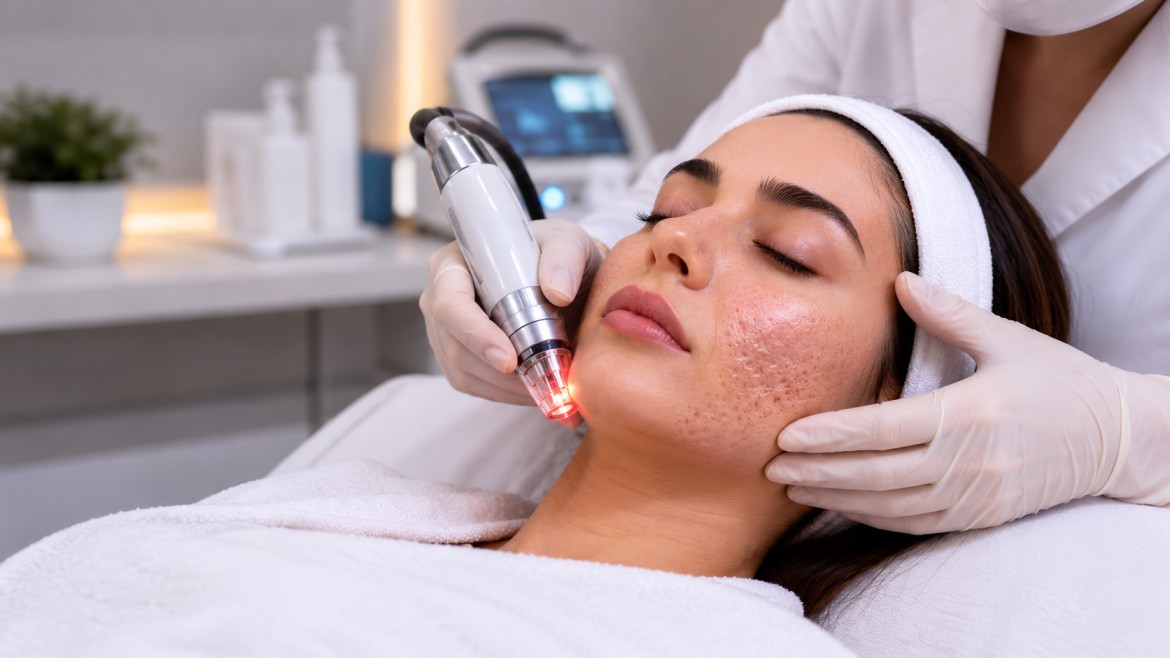
Initial aftercare sets the tone for healing. For the first 24–72 hours, prioritize a gentle approach: keep treated areas clean, avoid rubbing, and use only products explicitly approved by the clinic. Expect temporary redness, flaking, or mild swelling depending on the procedure—chemical peels, laser, and topical depigmenting agents each have different acute responses.
0–3 days: protect and soothe
- Use a saline rinse or a physician-recommended gentle cleanser to remove residue—no scrubs.
- Apply a sterile, fragrance-free moisturizer to maintain the barrier and prevent excessive peeling.
- Avoid makeup, active treatments (retinoids, AHAs, BHAs), and any physical exfoliation.
4–14 days: monitor, hydrate, protect
- Continue barrier repair with ceramide- or hyaluronic acid-based moisturizers as tolerated.
- Introduce sun protection as soon as the skin is stable—this prevents new pigment formation.
- If persistent irritation, contact the treating clinician for advice on topical steroids or other prescribed therapies.
Sun protection and long-term maintenance
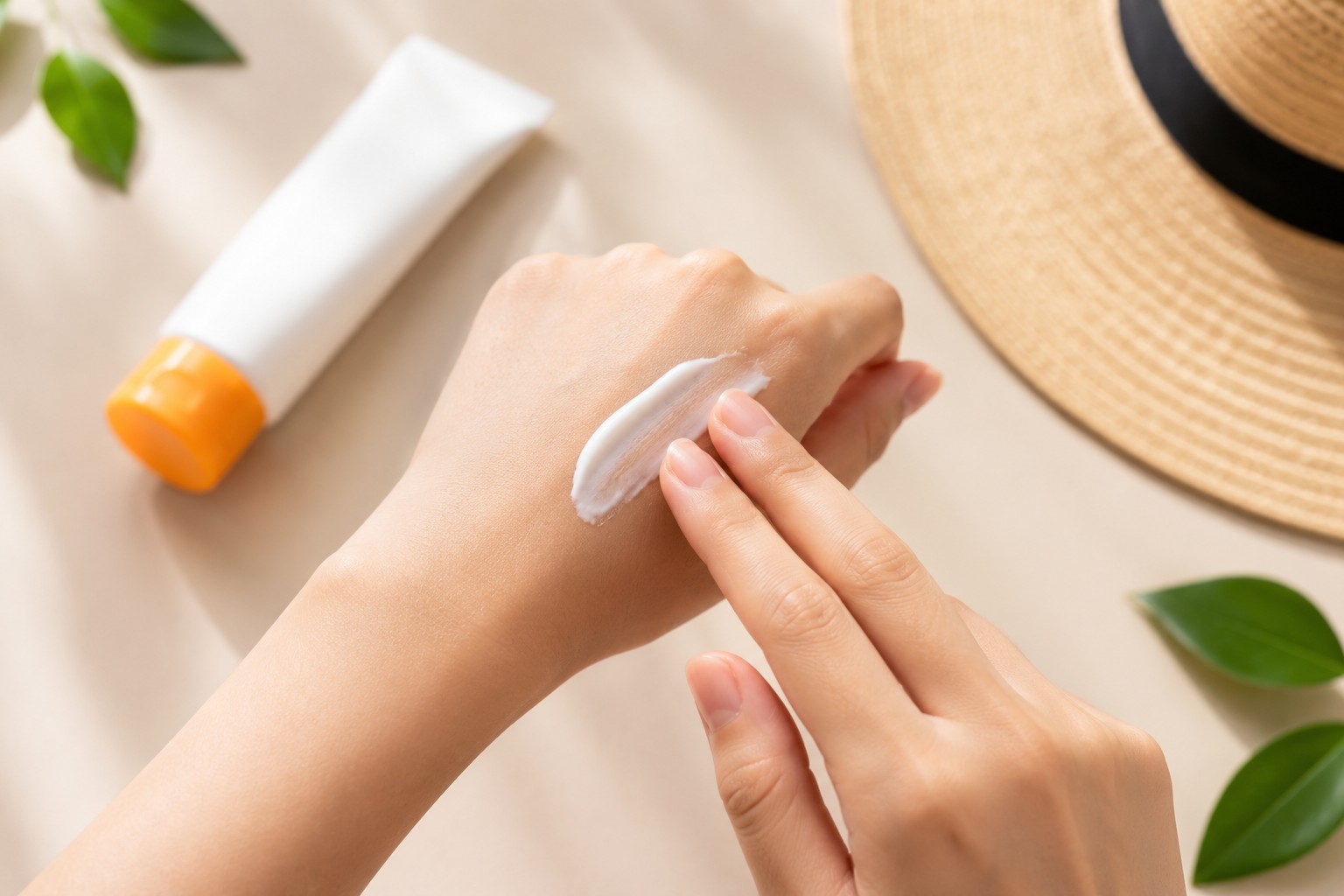
Sun exposure is the main driver of recurrent pigmentation. Strict daily sun protection is non-negotiable to preserve results. Use a broad-spectrum sunscreen (SPF 30–50+) every morning and reapply every two hours outdoors. Physical blockers (zinc oxide, titanium dioxide) are preferable immediately after treatment because they are less likely to irritate compromised skin.
For guidelines on sunscreen use and UV protection, refer to the American Academy of Dermatology recommendations: https://www.aad.org/.
Products and ingredients: what to use and what to avoid
Certain ingredients accelerate recovery while others can trigger irritation or rebound pigmentation. Use gentle, non-comedogenic formulas and reintroduce active agents slowly under clinical guidance.
Safe choices
- Gentle, pH-balanced cleansers
- Moisturizers with ceramides, glycerin, or hyaluronic acid
- Physical sunscreens and antioxidant serums (vitamin C once tolerated)
Ingredients to avoid early on
- Retinoids, alpha hydroxy acids (AHA), beta hydroxy acids (BHA), and physical or chemical exfoliants
- High-concentration hydroquinone or other bleaching agents without clinic supervision
- Fragrance, alcohol, and essential oils that can irritate healing skin
GLOW checklist: a named framework for consistent care
Use the GLOW checklist daily to reduce risk and protect outcomes.
- G — Gentle cleansing: Use mild cleanser twice daily.
- L — Lock in moisture: Apply barrier-repair moisturizer after cleansing.
- O — Opaque sunscreen: Apply a broad-spectrum SPF and reapply regularly.
- W — Watch and follow-up: Track changes and contact the clinic for concerns.
Real-world example
Scenario: A patient received a mid-depth chemical peel to treat uneven tone. In the first week, follow-up showed expected redness and light peeling. The clinic recommended the GLOW checklist: switch to a gentle cleanser, apply a ceramide moisturizer twice daily, and start a physical sunscreen on day 3. By week 4 the skin barrier had recovered, allowing a low-dose topical depigmenting agent under clinician supervision. This staged approach minimized irritation and prevented rebound pigmentation.
Practical tips (actionable)
- Keep a daily log of skin changes and sun exposure for the first month to spot early issues.
- Apply sunscreen 15 minutes before sun exposure, and reapply every two hours when outdoors.
- Introduce potentially active ingredients one at a time, spaced a week apart, and perform a small patch test.
- Use cool compresses for persistent swelling and consult the provider before using topical steroids.
Trade-offs and common mistakes
Balancing faster results with safety is key. Aggressive exfoliation or restarting prescription bleaches too quickly can produce irritation, inflammation, and paradoxical hyperpigmentation—often worse than the original condition. Conversely, excessive avoidance of all active care can prolong redness and delay visible improvement. Follow-up appointments and conservative reintroduction of actives offer the best compromise.
Common mistakes
- Resuming retinoids or chemical exfoliants within the first two weeks after a peel or laser.
- Skipping sunscreen because pigmentation did not resolve immediately.
- Using multiple new products at once, which obscures the cause of irritation.
When to seek professional help
Contact the treating clinician or a board-certified dermatologist if any of the following occur: increasing pain, pus or signs of infection, sudden spreading of dark patches, or no improvement after the expected healing window. Early professional intervention reduces the risk of long-term complications.
FAQ: How long does post skin whitening treatment care last?
Duration varies: immediate aftercare is critical for the first 1–2 weeks; structured maintenance (sun protection, gentle maintenance regimen) should continue indefinitely to preserve results. Clinical re-evaluation is commonly scheduled at 4–12 weeks depending on the procedure.
What sunscreen type is best after a whitening treatment?
Physical mineral sunscreens with zinc oxide or titanium dioxide are less likely to irritate healing skin. Broad-spectrum coverage plus regular reapplication is essential to prevent recurrent pigmentation.
When can active ingredients like retinoids be reintroduced?
Reintroduction typically begins once the barrier is intact and the clinician confirms healing—often 2–6 weeks post-procedure depending on depth and type of treatment. Start at low frequency and concentration, and monitor closely for irritation.
How to manage persistent darkening after treatment?
Persistent or worsening pigmentation may indicate post-inflammatory hyperpigmentation. Avoid further trauma or harsh agents and consult a dermatologist for targeted therapies, which may include prescription topicals or in-clinic options.