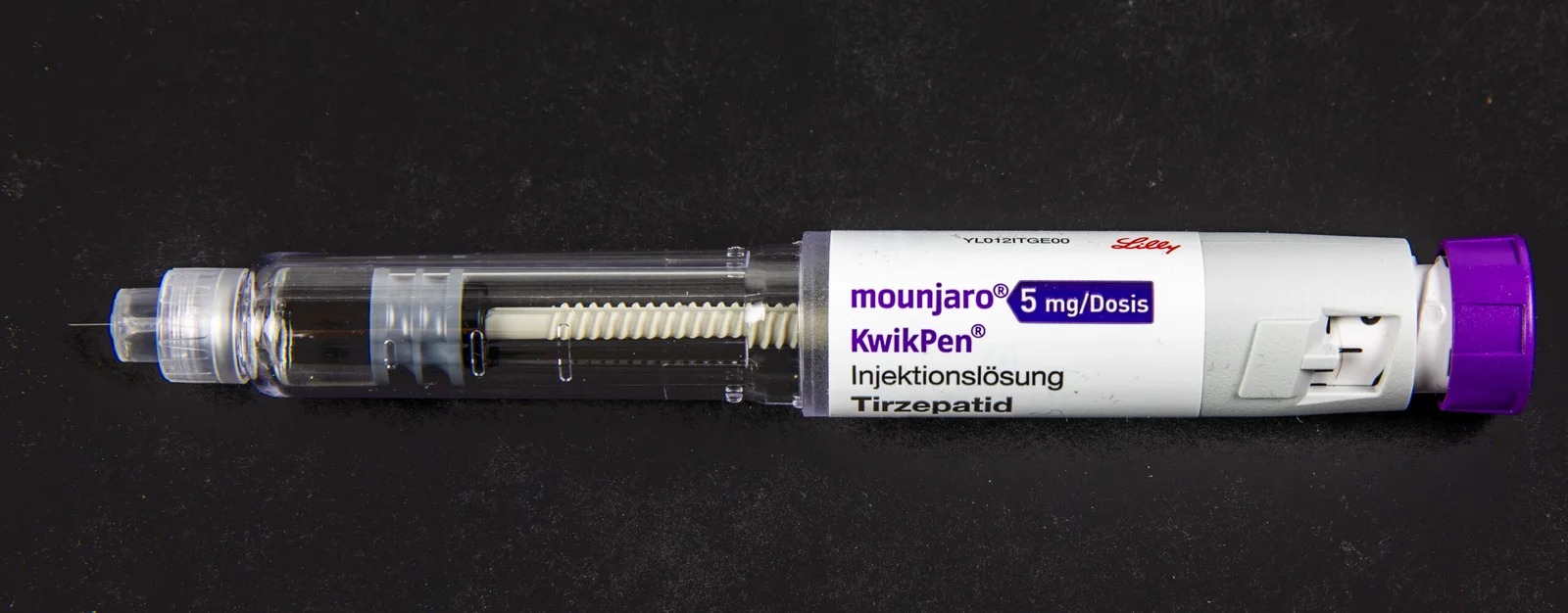
Mounjaro for Weight Loss: How Tirzepatide Works, Benefits, Risks, and Practical Steps
-

- April 18th, 2026
- 838 views
Mounjaro for weight loss: a clear-eyed explanation
Mounjaro for weight loss is the phrase many patients and clinicians search for when evaluating tirzepatide as a treatment option. Mounjaro (generic name: tirzepatide) is a glucose-lowering injectable approved for type 2 diabetes that has shown substantial weight loss in clinical trials. This article explains how it works, summarizes the evidence, lists safety considerations, and offers a practical framework and next steps for people considering it as part of a weight-management plan.
- Mounjaro (tirzepatide) is approved for type 2 diabetes and produces clinically meaningful weight loss in trials.
- Weight loss benefits relate to dual incretin action (GIP + GLP-1 pathways) that reduce appetite and slow gastric emptying.
- Safety, cost, and long-term effects require discussion with a clinician; common side effects are gastrointestinal.
- Use the MEDS checklist (Mechanism, Evidence, Dose, Safety) to evaluate suitability.
Detected intent: Informational
Mounjaro for weight loss: what it is and how it works
Mounjaro is the brand name for tirzepatide, a peptide that activates both glucose-dependent insulinotropic polypeptide (GIP) and glucagon-like peptide-1 (GLP-1) receptors. The dual-incretin action differentiates it from single-pathway GLP-1 receptor agonists and helps reduce appetite, lower caloric intake, and improve glycemic control. Related terms to watch for include tirzepatide, GLP-1 agonist, GIP/GLP-1 dual-agonist, incretin hormones, semaglutide, and weight management pharmacotherapy.
Key evidence and real-world implications
What clinical trials show (tirzepatide weight loss studies)
Large randomized controlled trials report substantial mean weight loss with tirzepatide compared with placebo and active comparators. Results vary by dose and population but commonly report double-digit percentage body-weight reductions over months when combined with lifestyle counseling. These trials establish biological plausibility and short‑term efficacy but do not remove the need for longer-term safety and effectiveness data in routine care.
Regulatory and clinical-context notes
Because Mounjaro is approved for type 2 diabetes, off-label use for weight loss requires clinician judgment and shared decision-making. For official clinical guidance on obesity treatment strategies and integrating medications with lifestyle interventions, see the Centers for Disease Control and Prevention (CDC) resources on obesity prevention and treatment: https://www.cdc.gov/obesity/strategies/index.html.
MEDS checklist: a practical framework to evaluate Mounjaro
The MEDS framework helps structure conversations and decisions about tirzepatide.
- Mechanism — Dual incretin agonism (GIP + GLP-1); expect appetite suppression and delayed gastric emptying.
- Evidence — Review randomized trials for effect size, population, and duration; check subgroup results (e.g., with or without diabetes).
- Dose and Delivery — Weekly subcutaneous injections; titration schedules minimize side effects. Verify dosing for the intended indication with a clinician.
- Safety — Assess GI side effects, potential pancreatitis signals, gallbladder disease, thyroid medullary carcinoma risk (based on class warnings), and drug interactions.
Practical steps before starting Mounjaro
Follow these steps to ensure informed, safe decision-making.
- Document baseline measures: weight, BMI, metabolic labs (A1c, lipids), liver function, and current medications.
- Discuss goals and timelines using measurable targets (e.g., 5–15% body weight reduction over 6–12 months) and quality-of-life outcomes.
- Plan lifestyle support: dietary counseling, physical activity prescription, and behavioral strategies increase long-term success.
- Agree on monitoring: schedule follow-ups for side effects, glucose changes, and dose adjustments.
Common side effects, trade-offs, and mistakes to avoid
Common side effects
Gastrointestinal symptoms (nausea, vomiting, diarrhea, constipation) are most frequent, especially during initiation and dose escalation. Appetite changes and transient dizziness can occur. Serious but rare risks include pancreatitis and gallbladder disease. Class warnings about thyroid C‑cell tumors are based on animal data and require clinical vigilance.
Trade-offs
Consider these real-world trade-offs:
- Effect size vs. accessibility: higher doses may produce more weight loss but cost and insurance coverage limit access.
- Short-term efficacy vs. long-term maintenance: stopping therapy often leads to weight regain without ongoing behavioral support.
- Side-effect burden vs. metabolic benefits: gastrointestinal adverse effects are common but often subside with slower titration.
Common mistakes
- Starting at too high a dose—use recommended titration to reduce GI intolerance.
- Expecting medication-only solutions—combining pharmacotherapy with lifestyle change yields better outcomes.
- Neglecting baseline risk assessment—screen for pancreatitis history, gallstones, and thyroid disease.
Practical tips for safer and more effective use
- Begin with slow titration schedules to reduce nausea; allow extra time for dose increases if GI symptoms occur.
- Pair medication with structured nutrition and activity plans and behavioral counseling to support weight maintenance.
- Monitor clinically relevant labs (A1c for diabetes, liver enzymes, and lipids) and adjust other medications as weight and glycemia change.
- Plan follow-up visits at 4–12 weeks after initiation, then periodically to assess benefit, side effects, and adherence.
Real-world example scenario
Scenario: A 48-year-old patient with BMI 36 kg/m2 and prediabetes discusses options after unsuccessful lifestyle-only attempts. Using the MEDS checklist, the clinician documents baseline labs, discusses realistic goals (10% weight loss over 9–12 months), and initiates tirzepatide with slow titration while referring the patient to a registered dietitian. Gastrointestinal side effects occur during titration but are managed by pausing dose escalation for 2–3 weeks and adjusting meal patterns. At 6 months, the patient has lost 8% body weight and shows improved fasting glucose; a maintenance plan is established and safety monitoring continues.
Core cluster questions (content seeds for related articles)
- How does tirzepatide compare to GLP-1 receptor agonists for weight loss?
- What are the long-term safety data for dual incretin therapies?
- How should clinicians manage gastrointestinal side effects of tirzepatide?
- Which patients are most likely to benefit from adding medication to lifestyle treatment?
- What are practical coverage and cost navigation strategies for weight-loss medications?
When to involve a specialist
Refer to an endocrinologist, obesity medicine specialist, or gastroenterologist when there is diagnostic uncertainty, complex comorbidity, prior pancreatitis, rapid weight loss with unknown cause, or when multi-drug management is needed. Collaboration improves safety and individualized care planning.
Final considerations
Mounjaro (tirzepatide) represents an important development in pharmacologic weight management because of its dual-incretin mechanism and robust weight-loss signals in trials. Appropriate use requires careful patient selection, monitoring, and integration with lifestyle strategies. Decisions should be individualized, evidence-based, and regularly reviewed.
FAQ
Is Mounjaro for weight loss safe and effective?
Clinical trials show significant weight loss with tirzepatide in selected populations, but safety requires monitoring—common adverse effects are gastrointestinal and there are rare but serious potential risks. Effectiveness and safety depend on dose, duration, and concurrent care.
How quickly does tirzepatide cause weight loss?
Weight loss usually begins within weeks and accumulates over months; many trials report the majority of change within the first 6 months. Individual responses vary with dose, adherence, and lifestyle factors.
Can tirzepatide be combined with other weight-loss medications?
Combining weight-loss agents is not routinely recommended without specialist oversight because of limited evidence and potential safety concerns. Any combination should be managed by a clinician familiar with obesity pharmacotherapy.
Will weight return after stopping Mounjaro?
Stopping therapy commonly results in partial or full weight regain unless lifestyle and behavioral strategies are maintained. Long-term planning should include relapse prevention and ongoing support.
How to talk to a clinician about Mounjaro for weight loss?
Bring documented goals, current medications, prior weight-loss attempts, and any relevant medical history. Use the MEDS checklist to guide the discussion: ask about mechanism, evidence specific to the individual's profile, dosing plan, and safety monitoring.